Top 10 Low Glycemic Index (GI) Foods to Control Blood Sugar Level Naturally
Managing blood sugar can feel like a never-ending battle, especially for those with diabetes or prediabetes. Sudden spikes or drops, fatigue, cravings, and weight gain or weight loss — they’re not just symptoms, they’re daily struggles. But what if food could help you heal rather than harm? That’s where low glycemic index (GI) foods come into play to control the blood glucose naturally.
In this blog, we will explore how a balanced diet packed with low GI foods can naturally help regulate blood sugar levels. We will walk through the difference between low and high GI foods, reveal the top 10 low glycemic foods backed by ICMR (Indian Council of Medical Research), explain how they support stable sugar levels, and even share 3 diabetic-friendly recipes you can start using today.
Let’s dive in.
Why A Balanced Diet with Low Glycemic Index Foods Matters to Control Blood Sugar Level Naturally?
Whether you’re managing type 2 diabetes, prediabetes, or simply aiming for a healthier lifestyle, what you eat can either stabilize or destabilize your blood sugar.
A balanced diet rich in low GI foods helps:
1. Slow down the release of glucose into your bloodstream
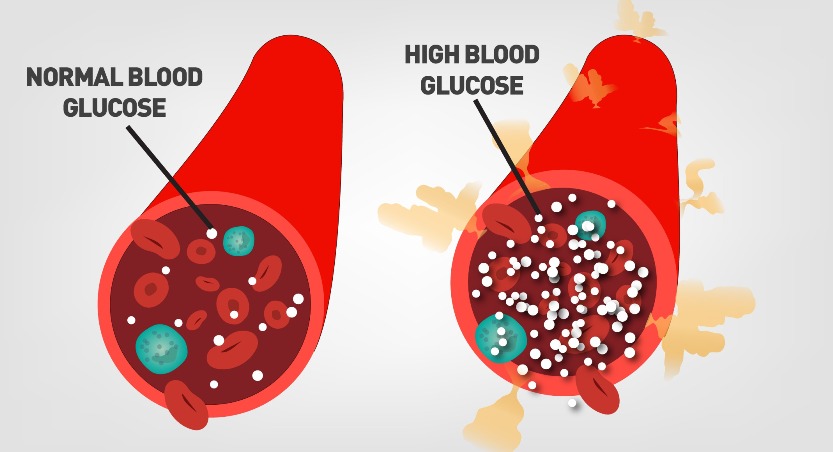
Low GI foods are digested and absorbed slowly, causing a gradual release of glucose into the bloodstream. Unlike high GI foods, which can spike blood sugar rapidly, low GI foods help maintain steady glucose levels over time. This slow absorption reduces the stress on insulin production and gives your body more time to manage glucose efficiently. As a result, energy is released consistently, helping to prevent fatigue, dizziness, and mood swings. This is especially beneficial for people with diabetes or insulin resistance, as it supports overall glycemic control and reduces the risk of long-term blood sugar complications.
2. Prevent sugar spikes or crashes
Eating high GI foods leads to quick spikes in blood sugar followed by sudden crashes, which can result in fatigue, irritability, and intense cravings. Low GI foods, on the other hand, provide a more stable energy release by preventing rapid glucose absorption. This stability helps avoid the blood sugar rollercoaster that many individuals with diabetes or prediabetes experience daily. By keeping blood glucose levels within a healthy range, low GI foods support better concentration, energy, and mood. Over time, avoiding sugar spikes also reduces the risk of insulin resistance, heart disease, and metabolic complications linked to erratic sugar levels.
3. Reduce insulin resistance over time
Insulin resistance occurs when the body’s cells become less responsive to insulin, causing elevated blood sugar levels. Consistently consuming low GI foods helps manage this condition by keeping glucose levels stable and reducing the need for excessive insulin production. Over time, this reduces the strain on the pancreas and can even improve the cells’ insulin sensitivity. Whole grains, legumes, and high-fiber fruits—commonly low in GI—nourish the body while encouraging a healthier metabolic response. With regular intake, this dietary habit supports better blood sugar regulation and can delay or prevent the onset of type 2 diabetes in at-risk individuals.
4. Promote weight loss and control cravings
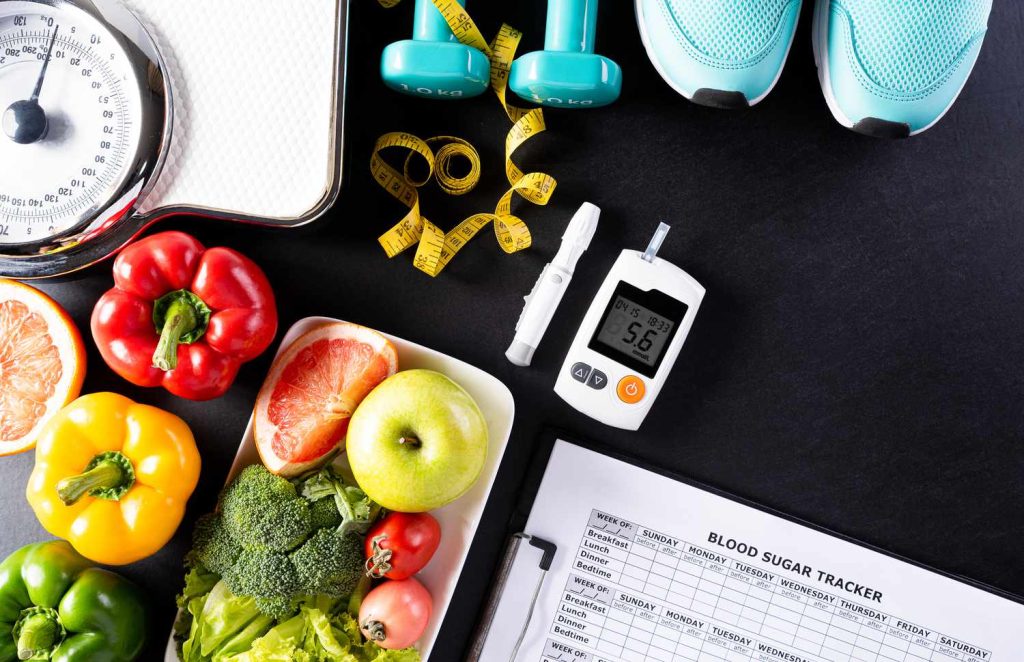
Low GI foods are typically high in fiber and protein, which enhance satiety and reduce hunger between meals. Unlike high GI foods that cause quick energy crashes and prompt overeating, low GI foods keep you fuller for longer and stabilize appetite. They help in reducing cravings, especially for sugar and processed foods, which often sabotage weight loss efforts. Additionally, by avoiding blood sugar spikes, your body is less likely to store excess glucose as fat. Over time, this supports steady and sustainable weight loss. A diet focused on low GI foods can be a powerful tool for long-term weight management.
5. Improve heart and gut health
Low GI foods are often rich in dietary fiber, antioxidants, and essential nutrients that support cardiovascular and digestive health. Foods like oats, legumes, and fruits reduce bad cholesterol (LDL), lower blood pressure, and improve arterial function, thereby decreasing the risk of heart disease. Their fiber content also promotes a healthy gut microbiome, enhances bowel regularity, and reduces inflammation. A well-balanced low GI diet supports the body holistically—not just by controlling blood sugar but also by fostering an internal environment conducive to long-term wellness. Improved gut and heart health means better immunity, metabolism, and overall vitality for daily life.
Low GI foods are not only helpful in blood sugar management but also in reducing the long-term risk of complications like nerve damage, kidney issues, and cardiovascular disease.
Low Glycemic Index (GI) vs High Glycemic Index (GI) Foods – What’s the Difference?
The Glycemic Index (GI) is a number assigned to a food based on how quickly it raises blood sugar levels. The lower the number, the slower the digestion, and the better it is for managing blood glucose.
| GI Score | Category | Effect on Blood Sugar |
|---|---|---|
| 55 or less | Low GI | Slow rise in blood sugar |
| 56–69 | Medium GI | Moderate rise in blood sugar |
| 70 and above | High GI | Rapid spike in blood sugar |
Source: ICMR
High GI foods like white bread, sugar-laden drinks, and refined cereals are quickly digested and absorbed, leading to a rapid increase in blood sugar. Low GI foods, on the other hand, are digested slowly, releasing glucose gradually and steadily.
Top 10 Low Glycemic Index (GI) Foods to Control Blood Sugar Level Naturally
Let’s look at 10 powerful low GI foods, their GI scores based on ICMR data, and how they can help you take control of your blood sugar levels.
1. Whole Moong Dal (GI: 25)
Why it’s effective:
High in plant-based protein, fiber, and antioxidants. It slows digestion and keeps you full longer, reducing sugar cravings.
How it helps:
Supports insulin function, improves gut health, and reduces the glycemic load of your overall meal.
2. Barley (GI: 27)
Why it’s effective:
Barley contains beta-glucan, a special type of soluble fiber known to lower cholesterol and stabilize blood sugar.
How it helps:
Slows gastric emptying and enhances insulin sensitivity.
3. Chana (Bengal Gram) (GI: 28)
Why it’s effective:
Rich in fiber and resistant starch which doesn’t spike sugar levels. Also has a satiating effect.
How it helps:
Reduces hunger hormones, improves insulin response, and keeps energy stable.
4. Apple (GI: 36)
Why it’s effective:
Packed with fiber (especially pectin), water, and polyphenols which slow down digestion and glucose absorption.
How it helps:
Reduces post-meal sugar spike and supports heart health.
5. Oats (GI: 55)
Why it’s effective:
A great source of soluble fiber, particularly beta-glucan, which helps manage blood glucose.
How it helps:
Prevents sugar highs and lows, keeps cholesterol under check, and boosts satiety.
6. Brown Rice (GI: 55)
Why it’s effective:
Less processed than white rice and retains its fiber and nutrient content, lowering its GI.
How it helps:
Helps in better sugar control while still offering a filling carbohydrate option.
7. Sweet Potato (GI: 44)
Why it’s effective:
Unlike regular potatoes, sweet potatoes have more fiber and complex carbs, keeping glucose levels steady.
How it helps:
Provides steady energy release and essential vitamins like Vitamin A.
8. Guava (GI: 31)
Why it’s effective:
High in dietary fiber and low in calories. Also loaded with Vitamin C which supports immunity.
How it helps:
Helps reduce overall glycemic load and supports gut health.
9. Milk & Milk Products (GI: 41)
Why it’s effective:
The natural sugar in milk (lactose) is balanced by protein and fat, leading to a low glycemic response. If we consume milk and milk products in moderation, it can help you to control your blood sugar level naturally.
How it helps:
Provides essential nutrients like calcium and Vitamin D with minimal blood sugar disruption. Another fermented milk product, curd is a good source of probiotic.
10. Nuts (Almonds, Walnuts) (GI: <15)
Why they’re effective:
Extremely low in carbs, high in healthy fats, proteins, and fiber. Daily 8-10 nuts (almonds) are good for controlling blood sugar level naturally.
How they help:
Slows down sugar absorption when consumed with meals, supports brain health, and keeps you fuller.
3 Easy Diabetic Recipes Using Low Glycemic Index (GI) Foods
Here are 3 simple, wholesome, and delicious recipes using the above low GI foods that are perfect for anyone trying to control their blood sugar.
1. Moong Dal & Barley Khichdi
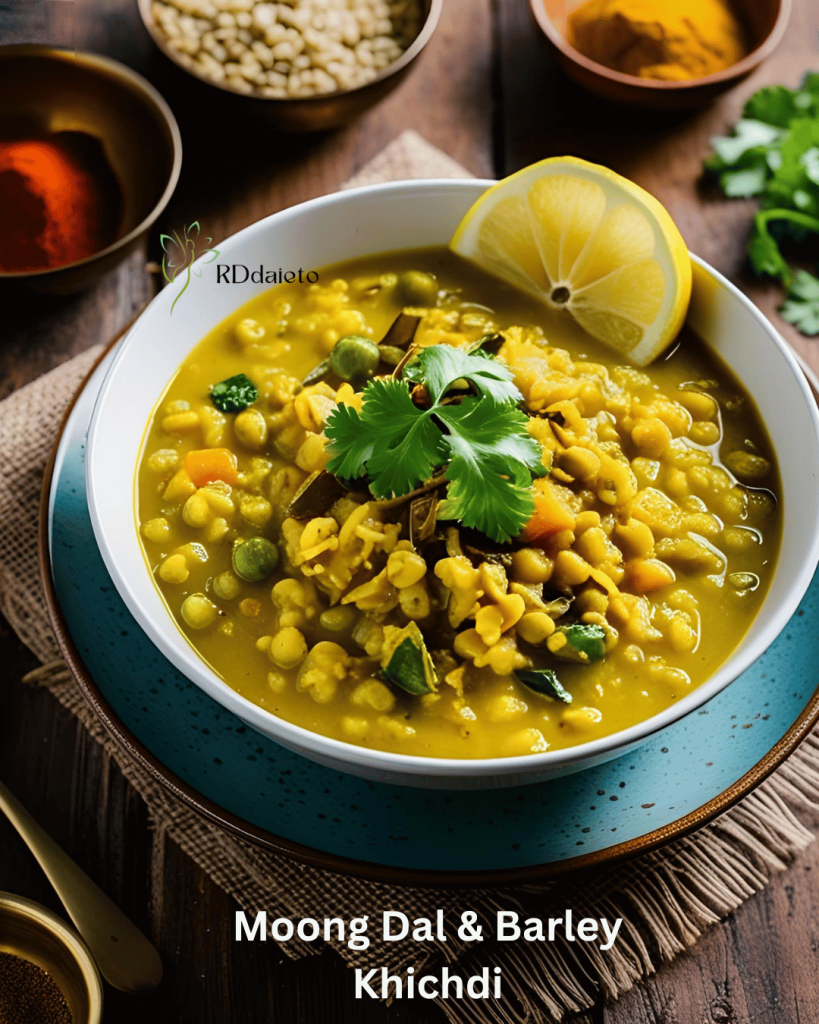
A good balanced meal option for breakfast, lunch or dinner.
Ingredients:
- ½ cup whole moong dal
- ¼ cup barley
- 1 small chopped carrot
- 1 chopped tomato
- 1 tsp cumin seeds
- ½ tsp turmeric
- 1 tsp ghee
- Salt to taste
Instructions:
- Soak moong dal and barley for 2 hours.
- Heat ghee in a pressure cooker, add cumin, and sauté vegetables.
- Add soaked dal and barley, turmeric, salt, and 3 cups water.
- Cook for 3-4 whistles.
- Serve with a bowl of curd or buttermilk.
Why it helps:
Rich in fiber and protein, this recipe stabilizes blood sugar and improves digestion.
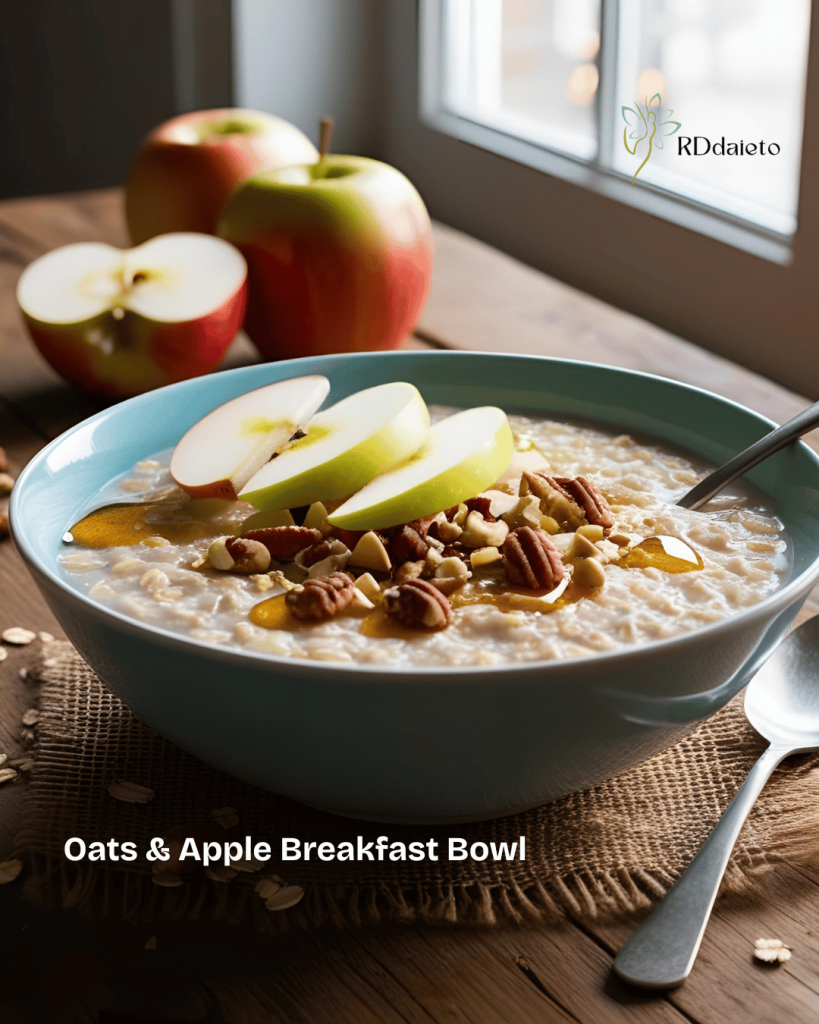
2. Oats & Apple Breakfast Bowl
Ingredients:
- ½ cup rolled oats
- 1 cup low-fat milk
- ½ chopped apple
- 1 tsp chia seeds
- 5 chopped almonds
- Cinnamon to taste
Instructions:
- Cook oats in milk on low heat for 5 minutes.
- Add chopped apple and cook for 2 more minutes.
- Sprinkle chia seeds, almonds and cinnamon on top.
Why it helps:
High in beta-glucan and low GI carbs, this bowl keeps you full and avoids sugar spikes.
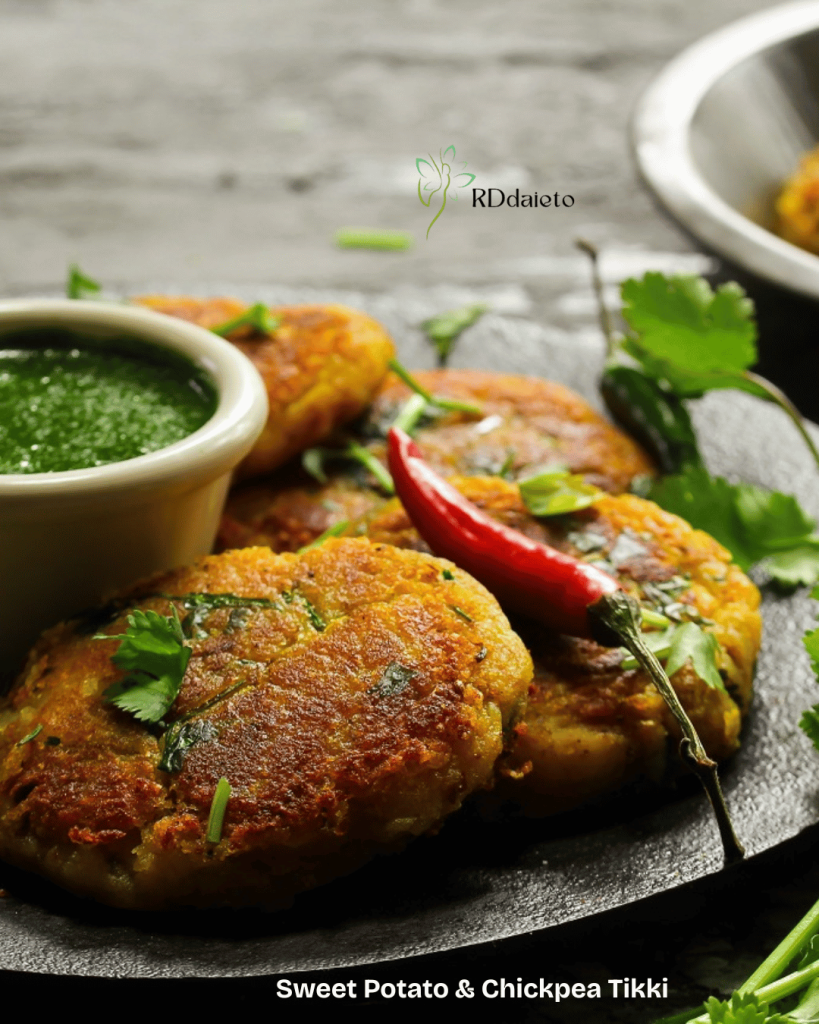
3. Sweet Potato & Chickpea Tikki
Ingredients:
- 1 boiled sweet potato
- ½ cup boiled chana
- 1 tbsp oats powder
- Coriander, ginger, green chili
- Spices: cumin, turmeric, black pepper
- Salt to taste
- 1 tsp oil
Instructions:
- Mash sweet potato and chana together.
- Mix with spices, oats powder, and form small tikkis.
- Shallow fry on a non-stick pan until golden brown.
Why it helps:
A high-fiber, protein-rich snack that’s easy to digest and won’t spike your sugar levels.
The Bottom Line
Living with high blood sugar doesn’t mean giving up good food — it means making smarter choices. Low GI foods are a sustainable, natural way to manage blood glucose without extreme restrictions or bland meals. They work in your favor, gently guiding your body toward stability and better health.
But here’s the catch — everyone’s body responds differently to foods. Your age, weight, activity level, medications, and even stress levels can impact how your body handles sugar. That’s why a one-size-fits-all diet doesn’t work.
If you’re tired of trying random diet plans that don’t work, it’s time for a personalized approach. Our customized diet consultations are designed to fit your unique needs, whether you’re newly diagnosed or looking to reverse prediabetes naturally.
We don’t just give you a list of foods — we create an actionable, easy-to-follow roadmap with:
- Low GI, nutrient-dense meal plans
- Weekly adjustments based on your sugar readings and feedback
- Tasty recipes you’ll actually want to eat
- Complete lifestyle guidance, from stress to sleep
👉 Book your personalized diet consultation today with RD Daieto Let’s foods be your medicine.
Source: https://www.healthline.com/nutrition/low-glycemic-diet#other-benefits