16 Best Habits to Control Blood Sugar Level Naturally
Struggling with high blood sugar levels can feel overwhelming—especially when it begins to affect your daily energy, mood, and long-term health.
While medications play a role, many people overlook the simple, natural habits that can make a real difference.
In this blog, we’ll explore 16 powerful, science-backed habits that can help you take control of your blood sugar naturally.
Whether you’re managing prediabetes, diabetes, or just aiming for better health, these practical changes may be the solution you’ve been searching for.
Ready to regain balance and feel your best? Let’s start.
Why is it important to control blood sugar level?
Diabetes is a disease that causes high levels of glucose (sugar) in your blood. Over time, high blood sugar can damage tiny blood vessels throughout your body. Controlling your blood sugar can help you :
- Prevent or delay long-term damage to your heart, eyes, feet, and kidneys.
- Reduced the risk of Cardiovascular diseases like heart attack or stroke.
- Support healthy weight management
- Enhance the energy levels
- Improve the mental health
- Helps in digestion and ultimately maintain a good gut health etc.
Follow these 16 tips. These will help you to control your blood sugar level and prevent you from chronic diseases.
1. Start Your Day with a Balanced Breakfast
Skipping breakfast or starting the day with sugar-loaded options spikes your blood sugar early. Choose a breakfast rich in protein, fiber, and healthy fats—like eggs, oats, or a vegetable smoothie. This slows glucose absorption and keeps your energy stable throughout the day. Low-GI foods release glucose slowly, preventing sugar spikes. Swap white rice for brown rice or quinoa, choose whole fruits over juices, and use sweet potatoes instead of regular potatoes to keep blood sugar steady.
2. Eat Smaller, More Frequent Meals
Eating large meals causes sudden spikes in blood sugar. Instead, aim for 3 moderate meals and 1-2 healthy snacks to prevent highs and lows. Consistent meal timing also helps your body better regulate insulin production.
3. Manage Your Carb Intake
Carbohydrate intake is strongly influence blood sugar level as our body breaks carbs into sugars, mainly glucose. Then insulin helps to use and store it into energy. In diabetes, this process is failed due to excess carb intake or insulin function problem. Carb counting can help to plan the meal and improving blood sugar level. Low-GI (glycemic index) foods release glucose slowly, preventing sugar spikes. For examples, swap white rice for brown rice or quinoa, choose whole fruits over juices, and use sweet potatoes instead of regular potatoes to keep blood sugar steady.
3. Prioritize Fiber-Rich Foods
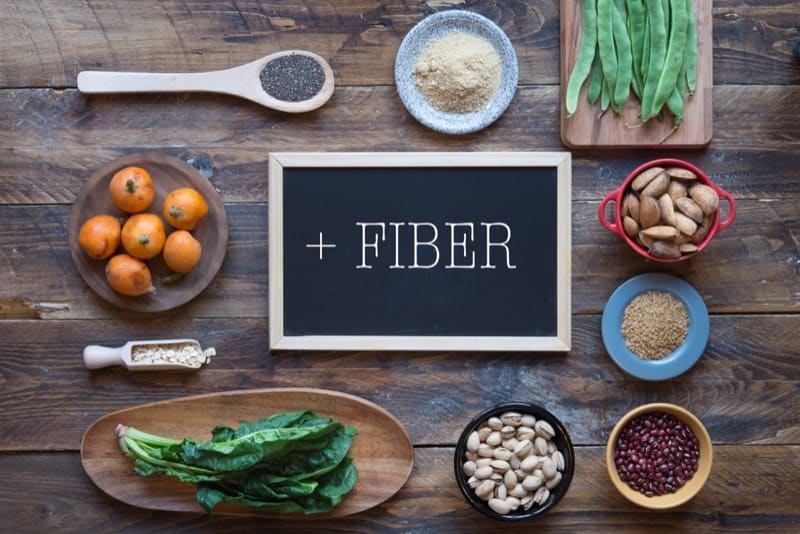
Fiber slows down digestion and the absorption of sugar. Load your plate with vegetables, legumes, seeds, and whole grains. Soluble fiber in particular, found in oats and flaxseeds, is especially effective in reducing post-meal sugar spikes.
5. Move After Meals
A short walk after eating, just 10-15 minutes—can significantly reduce post-meal blood sugar levels. Physical activity helps muscles absorb glucose more efficiently, reducing the need for excess insulin.
6. Stay Hydrated with Water, Not Sugary Drinks
Dehydration can raise blood sugar by concentrating glucose in the bloodstream. Aim for 8–10 glasses of water daily. Replace sugary beverages like sodas and packed juices with infused water or herbal teas.
7. Avoid Highly Processed and Refined Foods
Packaged snacks, white bread, and sugary cereals often contain hidden sugars and unhealthy fats. These can cause quick spikes and crashes in blood sugar. Choose fresh, whole, and minimally processed foods whenever possible.
8. Add Healthy Fats and Lean Protein regularly
Healthy fats like nuts, seeds, avocado, and olive oil improve insulin sensitivity and reduce sugar absorption. Just watch your portion size—fats are calorie-dense but incredibly beneficial when consumed in moderation. Protein slows digestion and the breakdown of carbohydrates, leading to better blood sugar control. Include lean protein like lentils, tofu, eggs, chicken, or fish in your meals to keep you full and balanced.
9. Manage Stress Levels
Chronic stress increases cortisol, a hormone that can raise blood sugar levels. Practice stress management techniques like deep breathing, yoga, journaling, or meditation daily to protect your hormonal balance and glucose control.
10. Get Quality Sleep
Poor sleep interferes with insulin sensitivity and hunger hormones, leading to higher blood sugar levels. Aim for 7–9 hours of uninterrupted sleep. Avoid screens before bed and maintain a calming nighttime routine.
11. Track Your Blood Sugar Regularly
Monitoring your glucose levels helps identify patterns and food triggers. It empowers you to make better decisions and allows for timely changes. A dietitian can help you interpret your numbers and adjust your plan.
12. Choose Natural Sweeteners Wisely
Artificial sweeteners may interfere with insulin response. If you crave sweetness, go for small amounts of jaggery, dates, or raw honey—always in moderation. Better yet, retrain your taste buds to enjoy less sweetness over time.
13. Avoid Eating Late at Night
Late-night eating often leads to poor food choices and slower digestion. Eating closer to bedtime can result in higher fasting blood sugar levels and poor glucose tolerance. Try to finish dinner at least 2–3 hours before sleeping. Divide late night dinner into small portions and consume them at interval. It is always better to choose healthy snack options.
15. Daily Physical Activity
Regular physical activity can help you to manage your weight and increase insulin sensitivity. Increase insulin sensitivity means your cells can use the glucose in your bloodstream more effectively. It also helps your muscles use blood sugar for energy and muscle contraction. Normally, 150 minutes/ week is recommended to do 150 mins/ week walking. But you can also start the physical activity with just 5-10 minutes light walking after every meals and gradually be increased. Add both cardio and strength exercises for better results.
16. Get Personalized Nutrition Guidance
No two bodies are the same, especially when it comes to blood sugar management. What works for one may not work for another. A certified dietitian can help you create a sustainable, tailored plan that works with your body and lifestyle.
The Final Words
Lowering your blood sugar naturally doesn’t require a total life overall. It’s about choosing better habits- gradually and consistently. Whether it’s the food you eat, the way you move, or how you manage stress, every choice you make has the potential to bring you closer to balance and better health.
However, building and maintaining the right plan can be overwhelming on your own. That’s where expert guidance makes all the differences.
Need help for creating a personalized diet plan?
If you’re ready to take control of your blood sugar, we invite you to book a 1-on-1 diet consultation. Together, we’ll assess your current routine, identify hidden triggers, and create a customized diet plan that fits your body, lifestyle, and goals. You’ll walk away with clarity, confidence, and a step-by-step approach to living healthier—naturally.
Book a consultation today with our best dietitian.
FAQs
1. What are the best snack options for diabetes patients?
Snacking is a way to keep blood sugar stable between meals, but it is essential to choose snacks that are low in sugar, high in fiber, lean protein, good fats and packed with nutrients.
2. What is The Plate Method?
The plate method ( click the to read the full article) is a simple and effective way to plan meals.