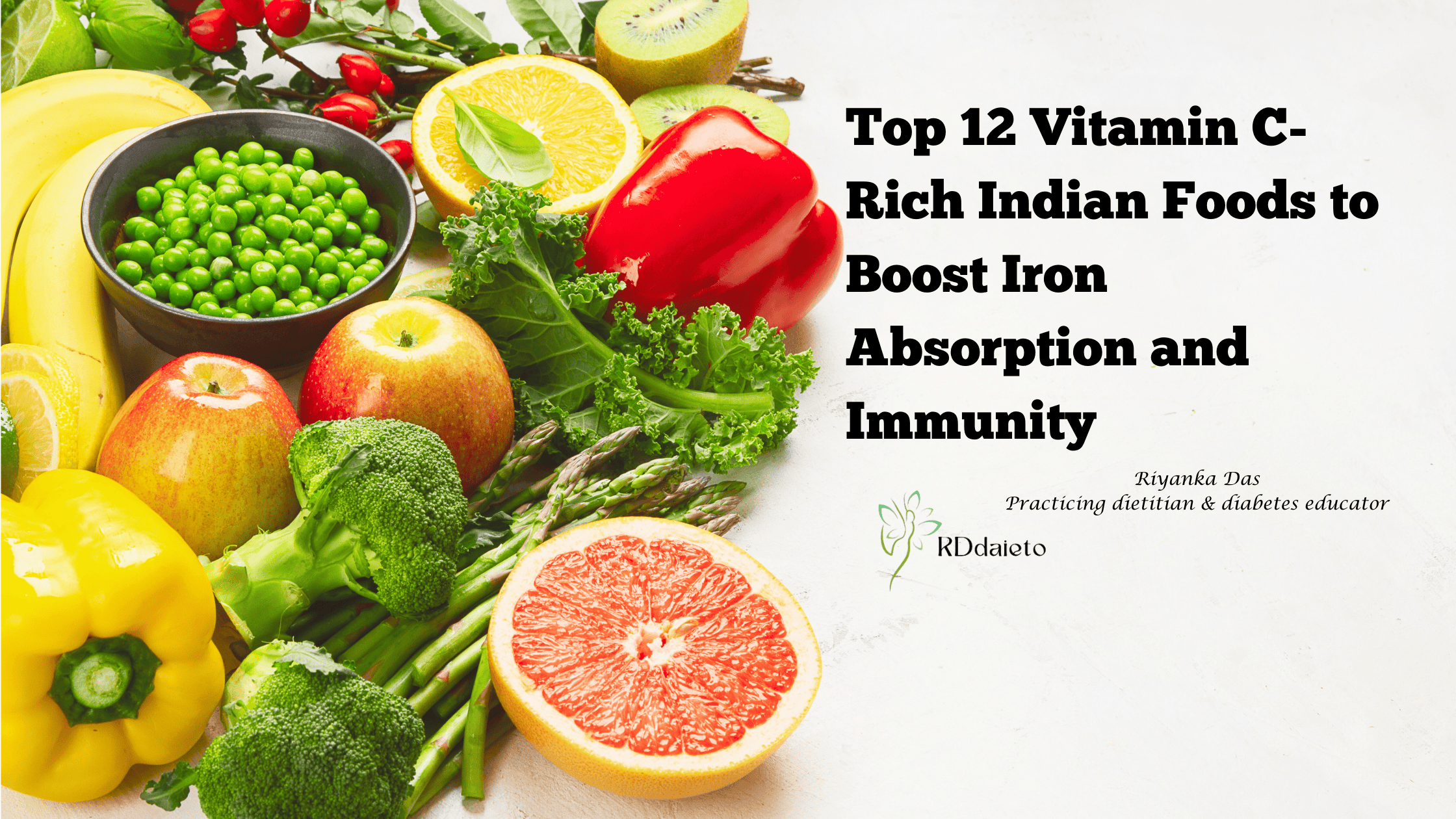
Top 12 Vitamin C-Rich Indian Foods to Boost Iron Absorption and Immunity
A Practical Nutrition Guide by RD Daieto
Imagine a young woman who eats a perfectly healthy vegetarian diet—dal, green vegetables, fruits, and whole grains. Yet during her routine health check-up, she discovers that her iron levels are low.
This situation is extremely common in India. Many people consume iron-rich foods but still struggle with low hemoglobin levels or fatigue. The missing link is often Vitamin C.
Vitamin C plays a crucial role in helping the body absorb plant-based iron efficiently, which is why it is strongly connected with the topic discussed in our previous blog on iron-rich vegetarian foods. When iron-rich meals are paired with Vitamin C foods, the body can absorb up to 3–4 times more iron.
In this article, we will explore the top 12 Vitamin C-rich Indian foods, their nutritional value, their role in the body, and practical ways to include them in daily meals.
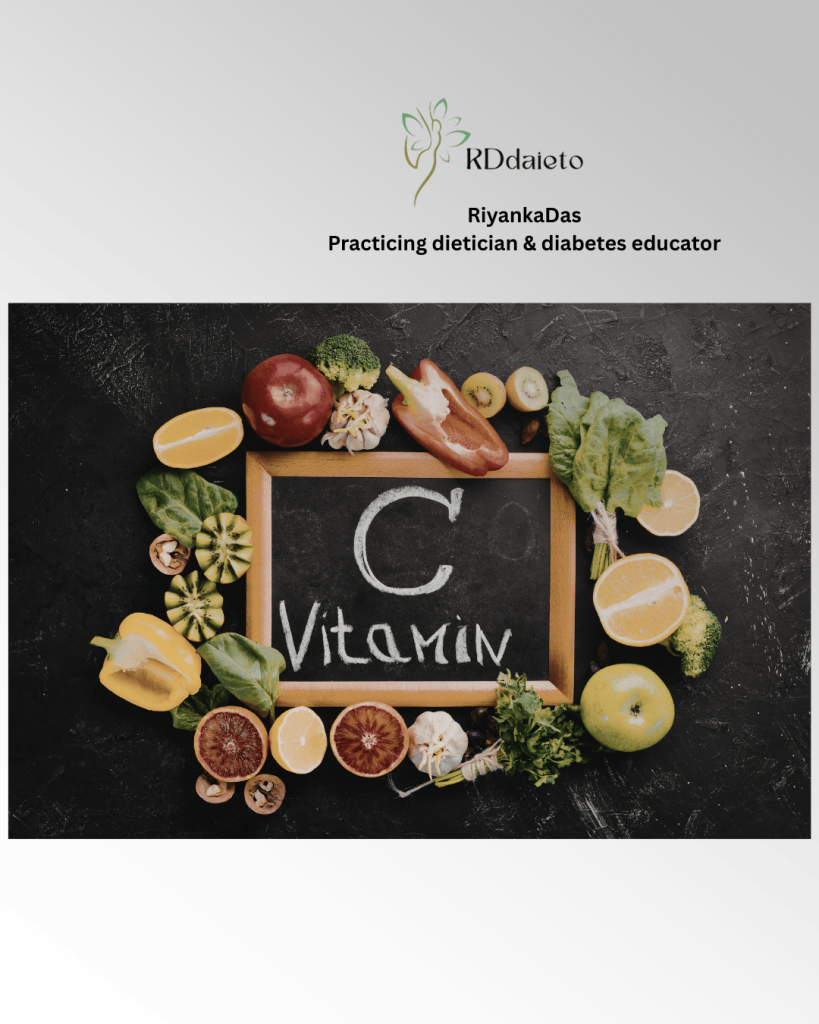
Importance of Vitamin C in the Human Body
Vitamin C, scientifically known as ascorbic acid, is one of the most essential micronutrients required for maintaining overall health. It is a water-soluble vitamin, which means the body does not store it for long periods. Unlike some animals, the human body cannot synthesize Vitamin C on its own, so it must be obtained regularly from dietary sources such as fruits and vegetables.
Because Vitamin C is not stored efficiently in the body, daily intake through food is crucial.Its impact is particularly important in populations where plant-based diets are common, such as in India, because it significantly improves the absorption of non-heme iron found in vegetarian foods.
1. Enhances Iron Absorption
One of the most important nutritional roles of Vitamin C is its ability to improve the absorption of non-heme iron, the form of iron found in plant foods such as lentils, spinach, chickpeas, and whole grains.
Non-heme iron is naturally harder for the body to absorb compared to iron from animal foods. Vitamin C helps convert this iron into a form that the body can absorb more efficiently in the intestine.
This function becomes especially significant for:
- Vegetarians and vegans
- Women of reproductive age
- Individuals with low hemoglobin levels
- People prone to iron-deficiency anemia
For example, adding lemon juice to lentils or pairing spinach with citrus fruits can significantly increase iron absorption from a meal.
2. Strengthens the Immune System
Vitamin C plays a crucial role in supporting the body’s natural defense system. It helps stimulate the production and activity of white blood cells, which are responsible for fighting infections.
Additionally, Vitamin C strengthens the skin’s barrier function, which acts as the body’s first line of defense against pathogens.
Research suggests that adequate Vitamin C intake can:
- Reduce the duration of common colds
- Support faster recovery from infections
- Improve immune resilience during periods of stress
For individuals who frequently experience seasonal infections, fatigue, or low immunity, increasing natural Vitamin C intake can be highly beneficial.
3. Supports Skin Health and Collagen Formation
Vitamin C is essential for the production of collagen, a structural protein that maintains the strength and elasticity of skin, hair, nails, bones, and connective tissues.
Collagen plays a vital role in:
- Maintaining youthful and firm skin
- Supporting wound repair
- Strengthening joints and ligaments
Adequate Vitamin C intake helps improve skin texture, hydration, and elasticity, which is why it is commonly associated with glowing and healthy skin.
Inadequate intake may contribute to dry skin, delayed healing, and increased skin damage from environmental stressors.
4. Acts as a Powerful Antioxidant
Every day, the body is exposed to harmful molecules known as free radicals, which are produced through normal metabolic processes and environmental factors such as pollution, smoking, and stress.
Vitamin C functions as a potent antioxidant, meaning it helps neutralize these free radicals before they damage healthy cells.
This protective effect contributes to:
- Reduced inflammation
- Protection against cellular aging
- Lower risk of chronic diseases
Antioxidants like Vitamin C are especially important in modern lifestyles where oxidative stress is higher due to pollution, processed foods, and sedentary habits.
5. Promotes Faster Wound Healing
Vitamin C plays a critical role in tissue repair and regeneration. Since it is involved in collagen synthesis, it supports the formation of new skin and connective tissue during the healing process.
People with adequate Vitamin C intake often experience:
- Faster wound healing
- Improved recovery after injuries
- Better tissue repair after surgeries
Deficiency, on the other hand, can lead to slow healing wounds, fragile skin, and increased bruising.
6. Supports Heart and Blood Vessel Health
Vitamin C contributes to cardiovascular health by helping maintain the integrity and flexibility of blood vessels. It supports the production of collagen within blood vessel walls, which keeps them strong and functional.
Studies suggest that adequate Vitamin C intake may help:
- Support healthy blood pressure levels
- Reduce inflammation in blood vessels
- Improve circulation
Its antioxidant properties also help protect the heart by reducing oxidative damage linked to cardiovascular diseases.
7. A Vital Nutrient for Energy and Overall Well-Being
Although Vitamin C does not directly produce energy like carbohydrates or fats, it plays an indirect role in maintaining optimal energy levels.
By improving iron absorption and supporting immune function, it helps prevent conditions such as fatigue, weakness, and frequent illness.
For individuals experiencing symptoms like:
- Persistent tiredness
- Frequent infections
- Low hemoglobin levels
- Poor skin health
Ensuring sufficient intake of Vitamin C-rich foods can significantly improve overall health and vitality.
Recommended Daily Intake (RDA) of Vitamin C for Indians
According to nutrition guidelines used in India:
| Group | Daily Vitamin C Requirement |
|---|---|
| Adult Men | 80 mg/day |
| Adult Women | 65 mg/day |
| Pregnant Women | 80–85 mg/day |
| Lactating Women | 95 mg/day |
However, during infections, stress, smoking, or recovery from illness, the body may require higher intake from natural foods.
Top 12 Vitamin C Rich Indian Foods
Below are some of the most powerful natural sources of Vitamin C commonly available in Indian households.
1. Amla (Indian Gooseberry)
Vitamin C per 100 g: ~600 mg
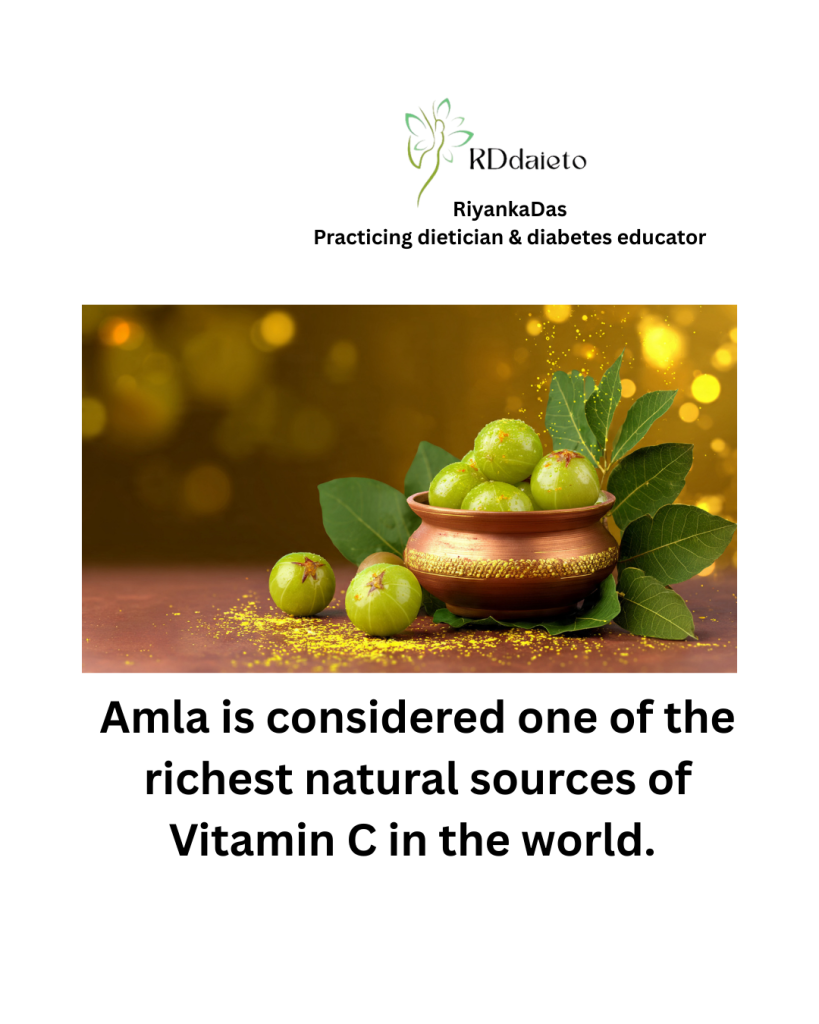
Amla is considered one of the richest natural sources of Vitamin C in the world.
Health Benefits
- Boosts immunity
- Improves iron absorption
- Supports liver detoxification
- Enhances skin and hair health
- Helps control blood sugar
Best Ways to Consume
- Fresh amla juice
- Amla chutney
- Amla pickle
- Dried amla powder in warm water
Even one small amla daily can meet the entire daily requirement of Vitamin C.
2. Guava
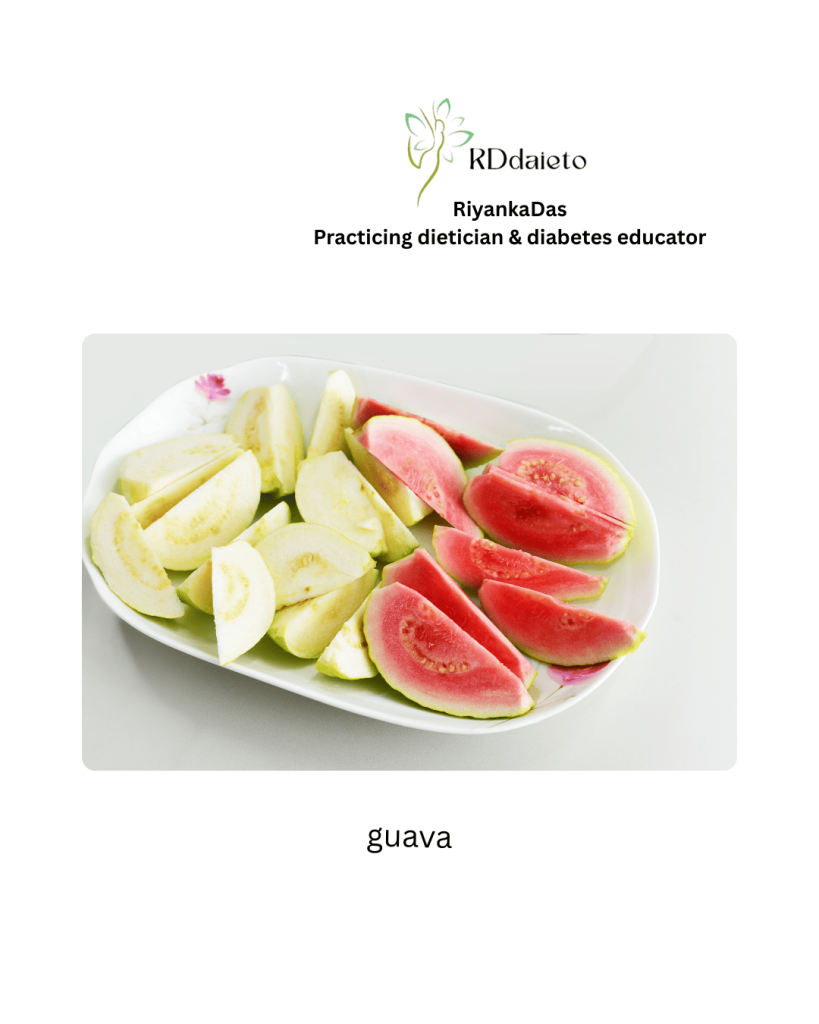
Vitamin C per 100 g: ~228 mg
Guava is one of the most underrated superfruits in India.
Benefits
- Extremely rich in antioxidants
- Supports digestion due to high fiber
- Improves immunity
- Helps regulate blood sugar
How to Eat
- Fresh guava slices
- Guava fruit chaat
- Guava smoothie
Guava is especially beneficial when eaten mid-morning for better nutrient absorption.
3. Orange
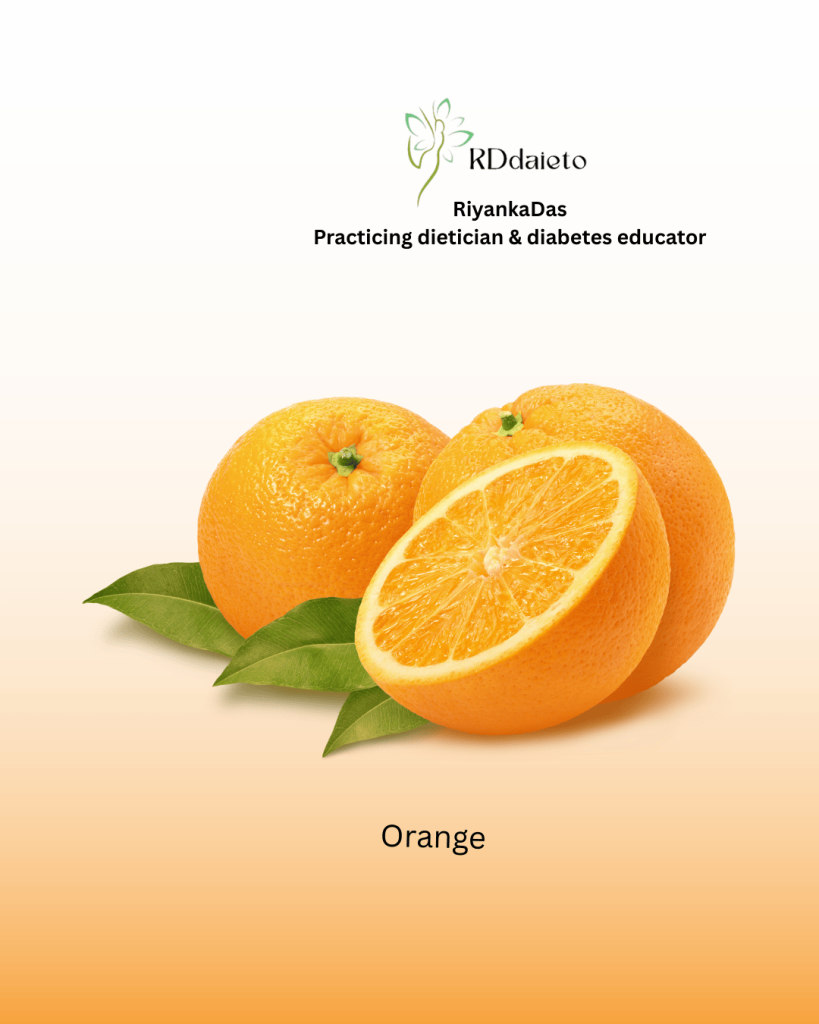
Vitamin C per 100 g: ~53 mg
Oranges are well known for supporting immune health and hydration.
Benefits
- Reduces oxidative stress
- Supports collagen formation
- Improves skin glow
- Promotes heart health
Best Use for
- Fresh fruit
- Orange smoothie
- Citrus salad
Avoid packaged orange juice as it contains added sugar and lower nutrients.
4. Sweet Lime (Mosambi)
Vitamin C per 100 g: ~30 mg
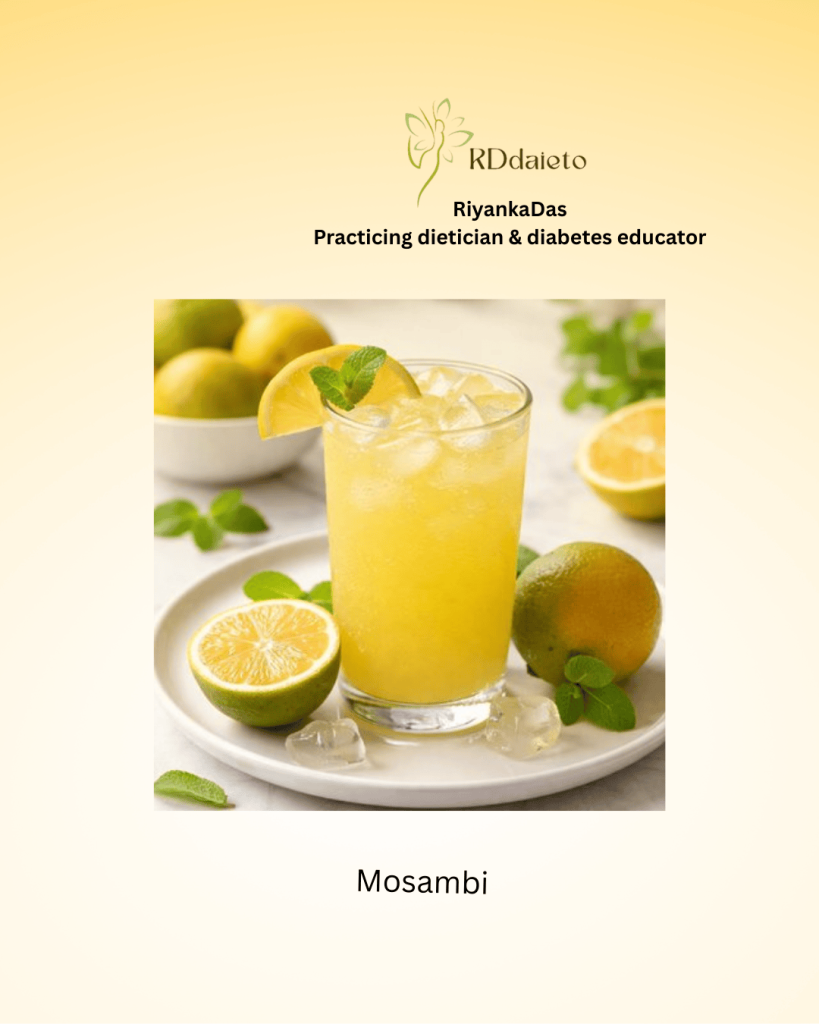
Sweet lime is gentle on the stomach and ideal during illness or recovery.
Benefits
- Hydrates the body
- Supports immunity
- Helps in digestion
- Mild detoxifying effect
Best Ways
- Fresh juice
- Fruit salad
- Summer hydration drink
5. Lemon
Vitamin C per 100 g: ~53 mg
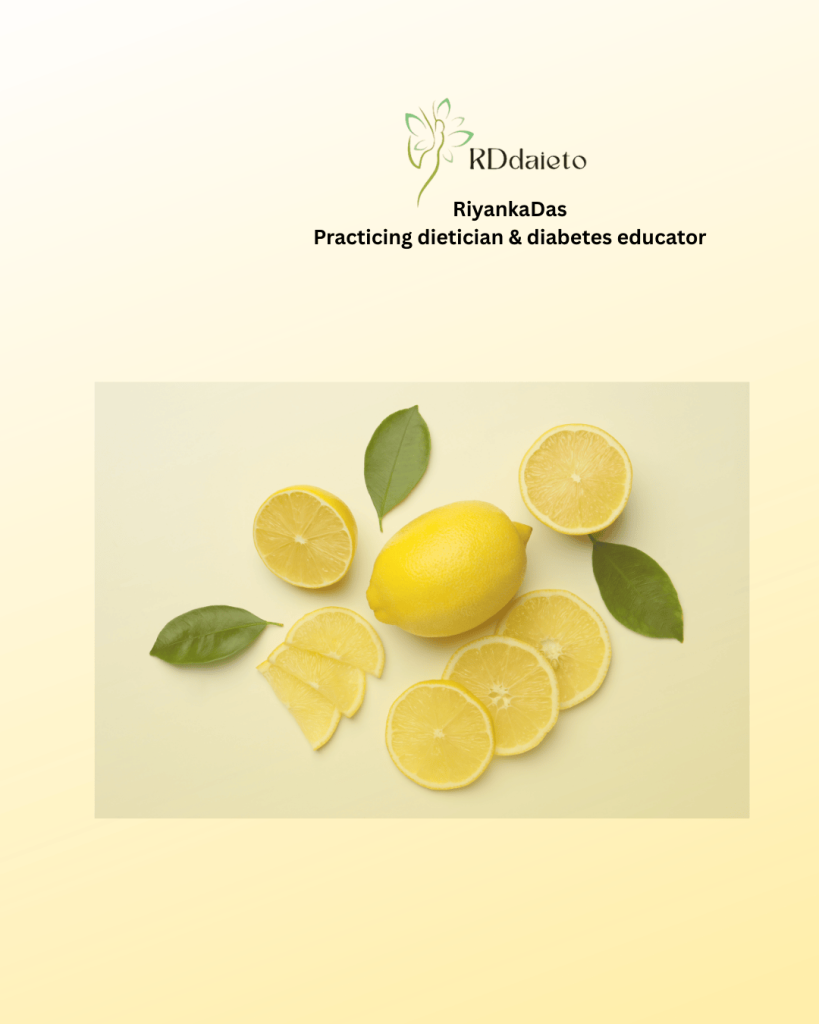
Lemon is a powerful digestive and detoxifying citrus fruit.
Benefits
- Improves digestion
- Enhances iron absorption
- Helps maintain skin health
- Supports liver function
Best Ways to Use
- Lemon water
- Salad dressing
- Added to dal, sprouts, or vegetable dishes
Adding lemon to iron-rich meals like spinach or lentils significantly improves iron absorption.
6. Green Chilies
Vitamin C per 100 g: ~144 mg
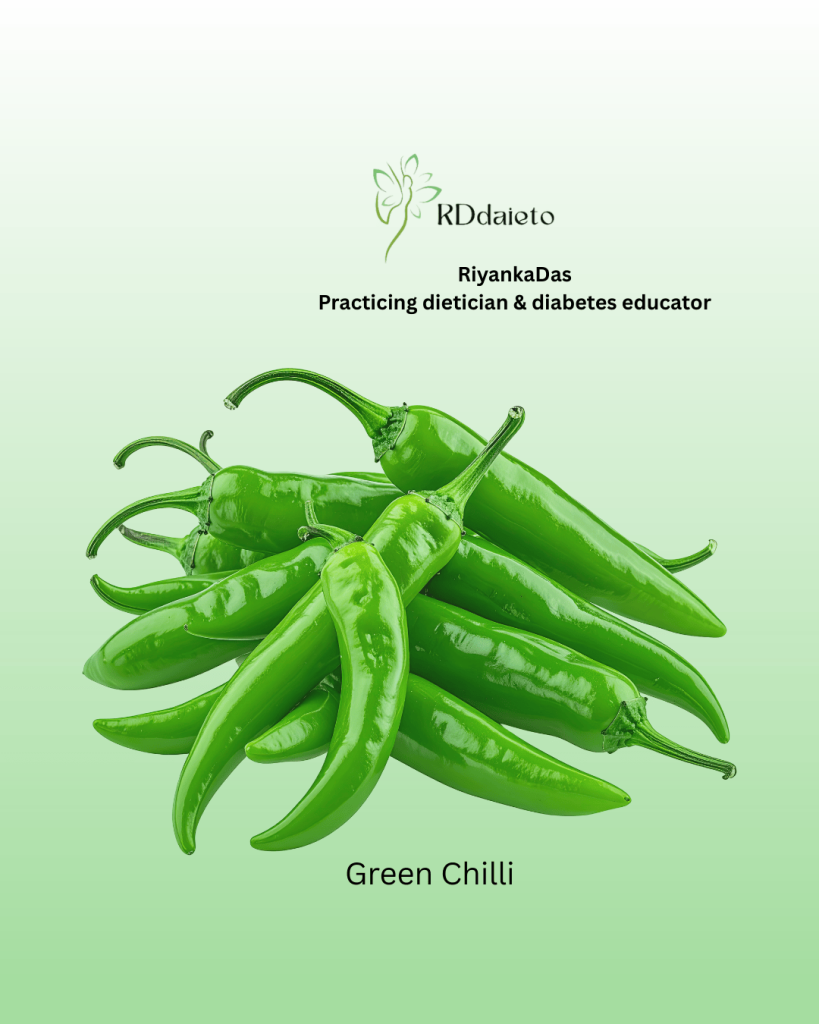
Many people don’t realize that green chilies contain more Vitamin C than oranges.
Benefits
- Boosts metabolism
- Improves digestion
- Provides antioxidant protection
Best Ways
- Added to salads
- Chopped in chutneys
- Used in vegetable cooking
Even small amounts can contribute significantly to Vitamin C intake.
7. Bell Peppers (Capsicum)
Vitamin C per 100 g: ~120 mg
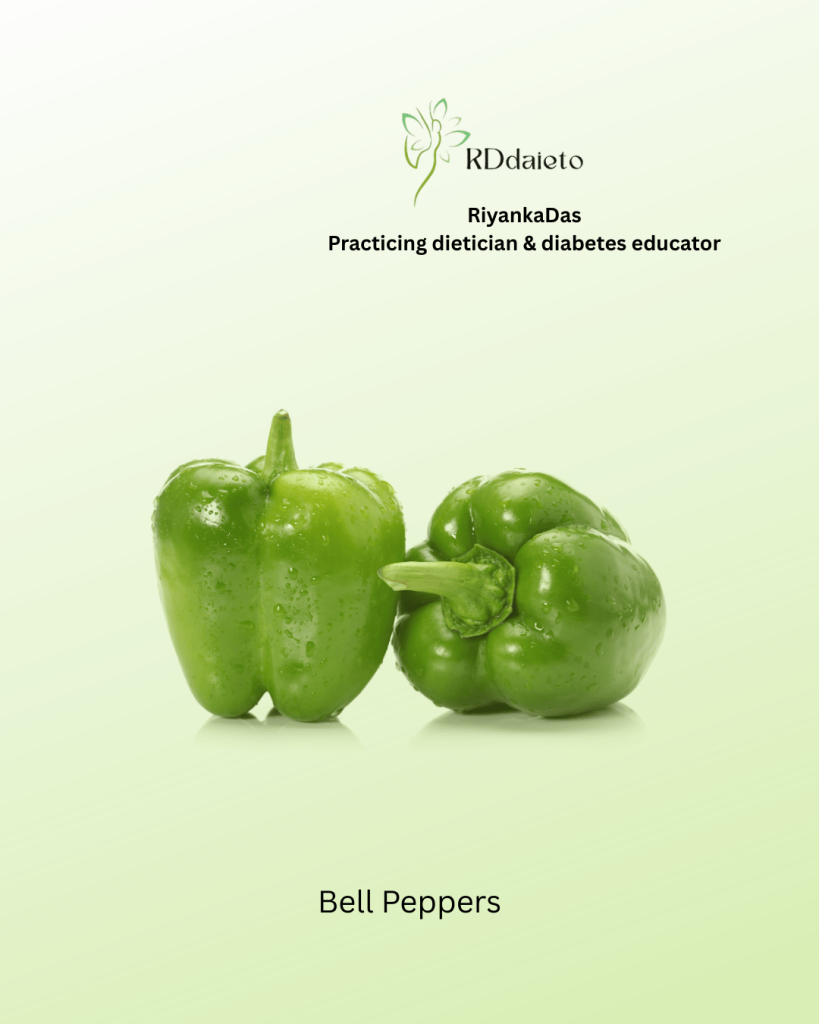
Red and yellow bell peppers are especially rich in Vitamin C.
Benefits
- Supports eye health
- Promotes skin collagen
- Reduces inflammation
- Enhances immunity
Best Ways
- Stir-fried vegetables
- Salad bowls
- Stuffed capsicum
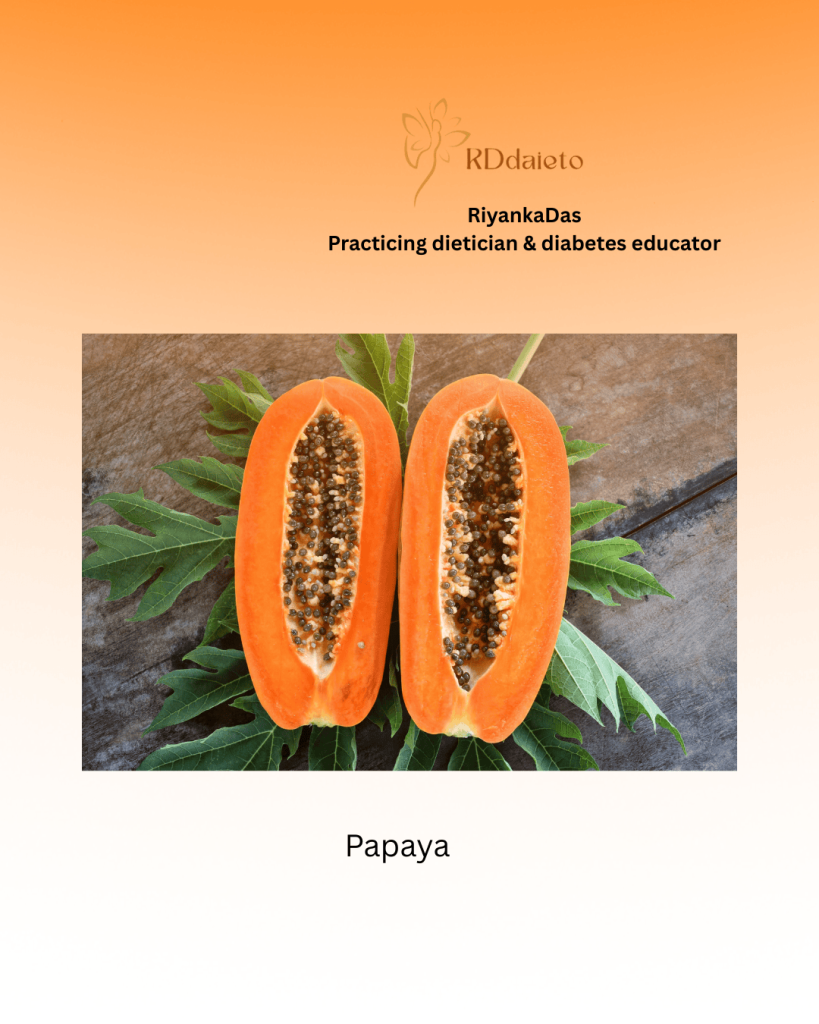
8. Papaya
Vitamin C per 100 g: ~60 mg
Papaya is a highly nutritious fruit that supports digestion and immunity.
Benefits
- Contains digestive enzyme papain
- Supports gut health
- Improves skin quality
- Reduces inflammation
Best Ways
- Breakfast fruit bowl
- Papaya smoothie
- Fruit salad
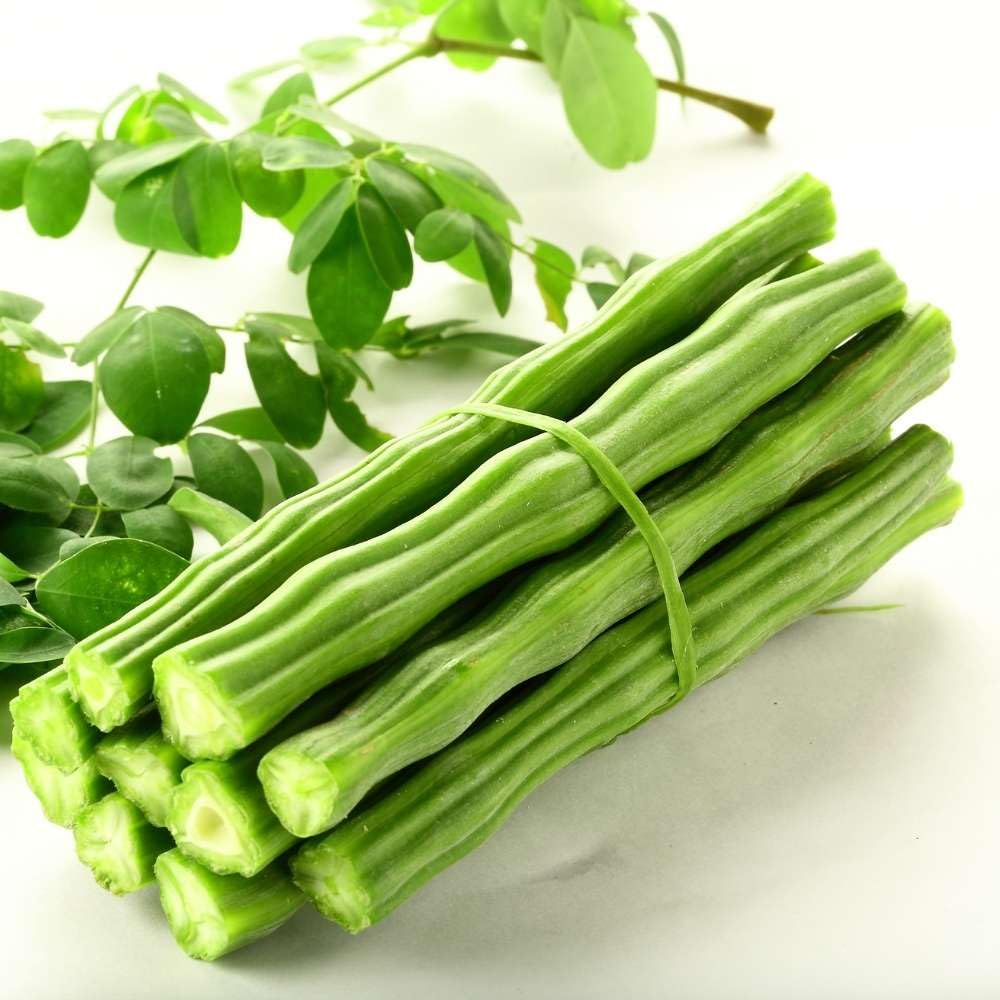
9. Drumsticks (Moringa Pods)
Vitamin C per 100 g: ~141 mg
Drumsticks are a traditional Indian vegetable with exceptional nutritional value.
Benefits
- Supports bone health
- Reduces inflammation
- Boosts immunity
- Supports hormonal balance
Best Ways
- Sambar
- Moringa pod’s curry
- Vegetable soups
10. Broccoli & Cauliflower
Vitamin C per 100 g
- Broccoli: ~89 mg
- Cauliflower: ~48 mg
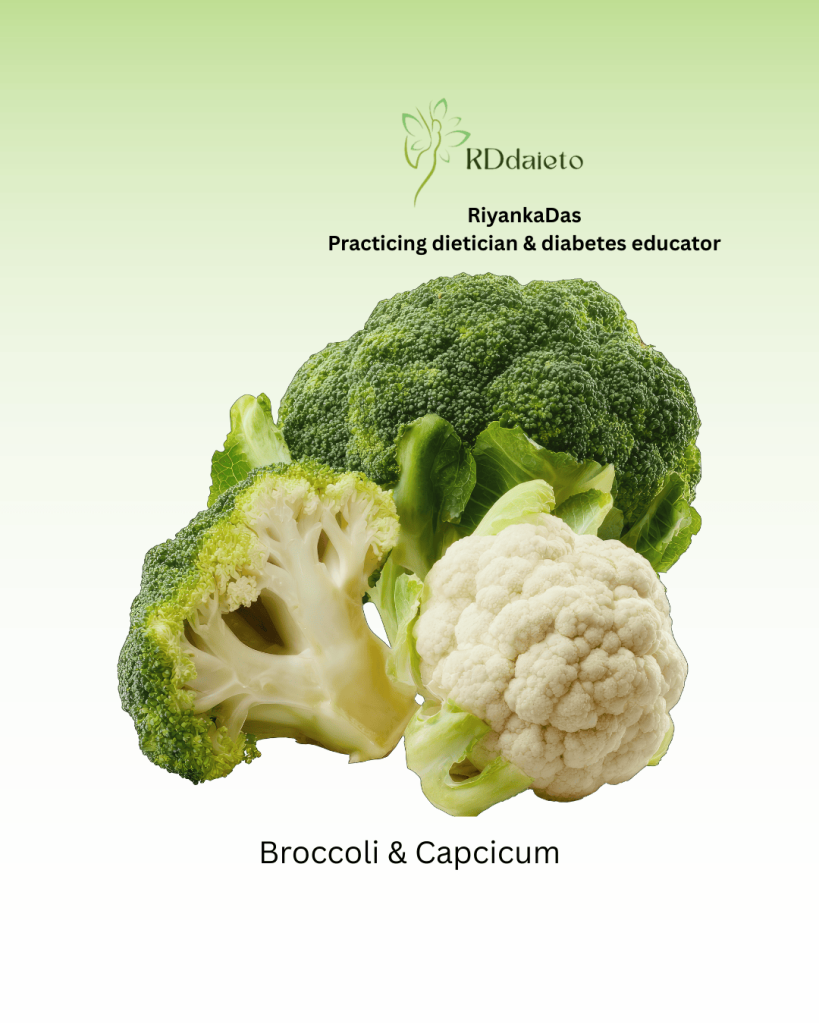
These cruciferous vegetables provide Vitamin C along with fiber and cancer-protective compounds.
Benefits
- Detoxification support
- Hormonal balance
- Heart health
Best Ways
- Lightly steamed
- Stir-fried
- Vegetable soups
Avoid overcooking to preserve Vitamin C
11. Kiwi
Vitamin C per 100 g: ~92 mg
Benefits:
- Supports immunity
- Improves digestion
- Promotes skin health
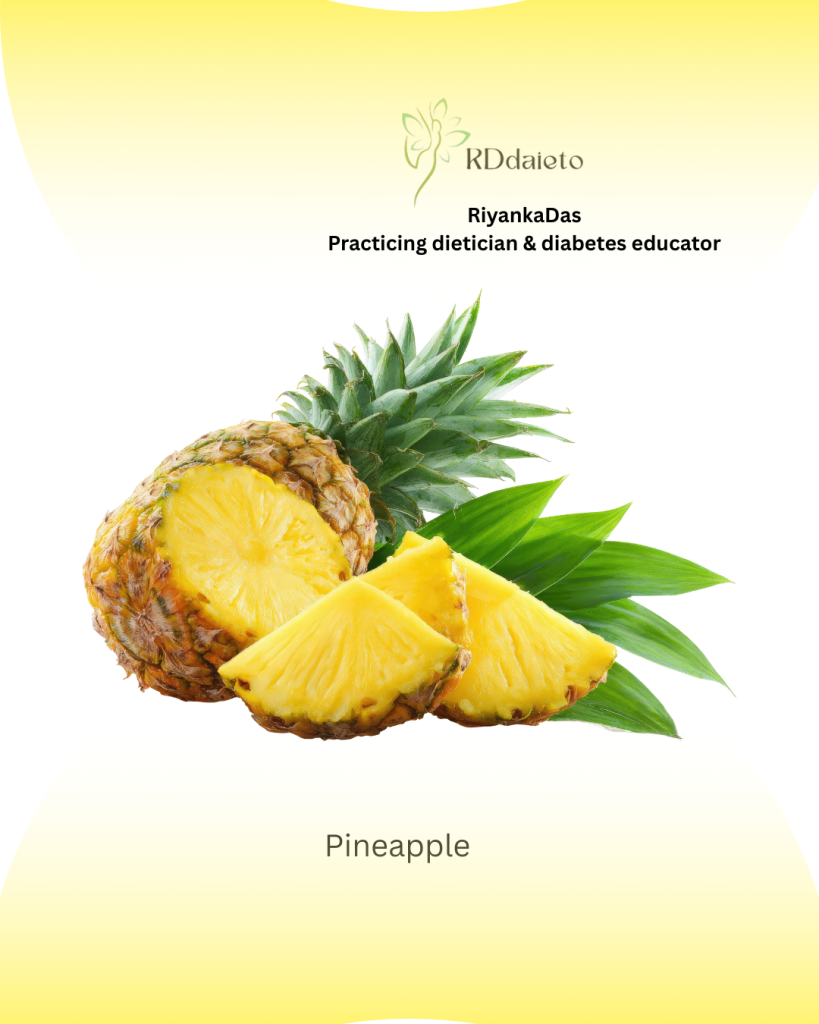
12. Pineapple
Vitamin C per 100 g: ~47 mg
Benefits:
- Contains bromelain enzyme
- Supports digestion
- Reduces inflammation
Best Ways
- Eating raw
- Adding in salad
Best Ways to Include Vitamin C Foods Daily
Here are some practical combinations:
Morning
- Warm lemon water
- Amla juice or one whole amla
Breakfast
- Papaya or guava fruit bowl
Lunch
- Dal with lemon squeeze
- Vegetable salad with capsicum
Evening Snack
- Orange or kiwi
Dinner
- Broccoli or drumstick vegetable curry
Small daily additions can easily meet the required intake.
Whole Foods vs Vitamin C Supplements
| Whole Foods | Supplements |
|---|---|
| Provide fiber and antioxidants | Provide isolated nutrient |
| Better absorption | Risk of excess intake |
| Natural and safe | May cause acidity in high doses |
- For most individuals, whole foods are the best source of Vitamin C.
- Supplements should only be used under professional guidance.
Signs of Vitamin C Deficiency
Vitamin C deficiency may lead to:
- Frequent infections
- Fatigue and weakness
- Slow wound healing
- Bleeding gums
- Dry skin
- Joint pain
In severe cases, long-term deficiency may lead to scurvy, although this is rare today.
Common Myths About Vitamin C
Myth 1: Vitamin C prevents all colds
It may reduce severity and duration, but it cannot fully prevent colds.
Myth 2: Only citrus fruits contain Vitamin C
Foods like amla, guava, bell peppers, and chilies contain much more.
Myth 3: More Vitamin C means better immunity
Excess supplementation may cause digestive discomfort.
Best Time to Eat Vitamin C-Rich Foods
The most effective timing is:
- Morning or mid-morning
- Along with iron-rich meals
- Fresh and raw whenever possible
Pairing Vitamin C with lentils, spinach, chickpeas, or other iron-rich foods significantly improves absorption.
A Holistic Nutrition Approach
Nutrition is not only about eating individual foods. It is about combining nutrients strategically.
For example:
- Spinach + Lemon
- Sprouts + Capsicum
- Dal + green chilli + lemon
These combinations can dramatically improve iron absorption, immunity, and energy levels.
Conclusion
Sometimes the most powerful health solutions are not complicated.
They are already present in our kitchens—amla, lemon, guava, drumsticks, papaya, and fresh vegetables.
When these foods become part of everyday meals, they quietly strengthen immunity, improve iron absorption, and support long-term wellness.
Think of Vitamin C as the nutritional partner that unlocks the full power of your diet.
And when balanced nutrition is guided by the right knowledge and professional support, it becomes a sustainable lifestyle—not just a temporary health fix.
Personalized Nutrition with RD Daieto
Every individual has unique nutritional requirements depending on:
- Age
- Lifestyle
- Health conditions
- Dietary preferences
At RD Daieto, we design science-based personalized diet plans to help individuals improve their health through sustainable eating habits.
Services include:
✔ Personalized diet consultation
✔ Weight management programs
✔ PCOS and hormonal health diets
✔ Group nutrition sessions for organizations
✔ Evidence-based nutrition education
If you want to optimize your nutrition, improve iron levels, and build long-term health, professional guidance can make the journey much easier.
FAQs
1. What are the best vitamin C rich Indian foods?
Best Vitamin C rich Indian foods are Amla, guava, orange, sweet lime, lemon, papaya etc.