10 Best Probiotic Foods for Gut Health and Bloating
In our gut, the “second brain” there are two kinds of bacteria- good bacteria and bad bacteria. Probiotics are the living organisms which helps to create a balance between good and bad bacteria. Best probiotic foods like yogurt, kimchi, buttermilk or supplements, these beneficial bacteria strengthen your gut, easing digestion and boosting overall health. But in today’s fast-paced world, processed foods and stress disrupt this balance.
In this blog, we discuss about 10 best probiotic content foods for maintaining a healthy gut.
What are the Probiotics?
Probiotics are good bacteria which are part of our gut flora. Probiotics help to promote a healthy gut and support overall well-being. Probiotics help maintain a balanced digestive environment, enhance nutrient absorption, and even boost our immune system. We can get probiotics either through our food or by choosing the best probiotic supplements.
Types of Probiotics
Lactobacillus
Lactobacillus is one of the most common probiotic strains, produce lactic acid. They are best effective in eliminating digestive problems like diarrhea, irritable bowel syndrome (IBS) or lactose intolerance. They are normally found in curd, cheese, kimchi , sauerkraut etc.
Bifidobacterium
Bifidobacterium is yet another probiotic strain found naturally in the intestines and stomach, helping in Irritable Bowel Syndrome (IBS) as they regulate bowel movements and stop bloating. Bifidobacteria release the digestive enzymes that improve absorption of nutrients. They are naturally found in foods like kefir, miso, and probiotic-enriched supplements.
Top 10 Best Probiotic Foods
Here’s a detailed look at 10 probiotic-rich foods, each packed with gut-friendly benefits.
1. Yogurt
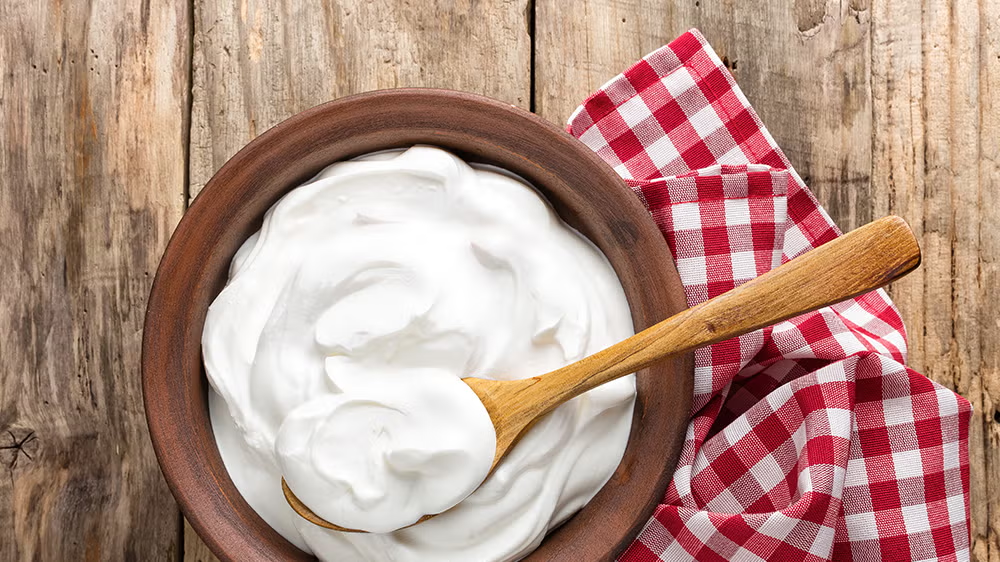
Yogurt is a creamy dairy product made by fermenting milk with live bacterial cultures, primarily Lactobacillus and Bifidobacterium strains. It is one of the most well-known probiotic foods and is widely consumed for its digestive benefits.
Milk is heated to kill harmful bacteria, then cooled before adding live probiotic cultures. The mixture is then incubated for several hours, allowing the bacteria to ferment lactose into lactic acid, which thickens the milk and gives yogurt its tangy taste.
Yogurt enhances gut health by replenishing beneficial bacteria, improving lactose digestion, and reducing symptoms of bloating, constipation or even diarrhea. It also strengthens the gut lining and supports overall digestive balance. Choosing unsweetened, plain yogurt ensures the highest probiotic benefits, as added sugars can disrupt gut flora.
2. Kefir
Kefir is a tangy, fermented dairy drink similar to yogurt but thinner in consistency and higher in probiotic diversity. It contains a mix of bacteria and yeast, making it a potent probiotic source.
Kefir grains, a combination of bacteria and yeast cultures, are added to milk and left to ferment for 12-24 hours at room temperature. The grains are then strained out, and the fermented milk becomes kefir, ready to drink.
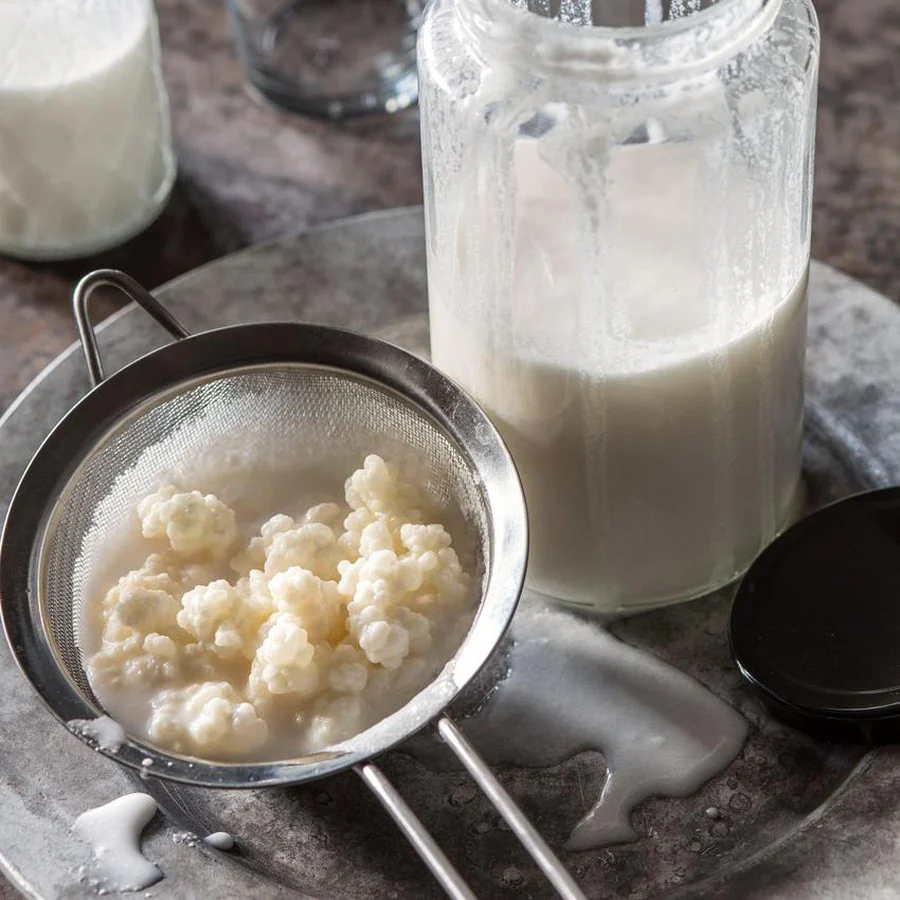
Kefir is rich in Lactobacillus and Saccharomyces species, which aid digestion, enhance gut microbiota diversity, and reduce inflammation. It’s also low in lactose, making it easier to digest for those with lactose intolerance. Its probiotics help combat harmful bacteria, promoting a healthy and balanced gut.
3. Sauerkraut
Sauerkraut is fermented cabbage, known for its sour taste and probiotic benefits. Originating from Germany, it is a staple in many European diets.
Shredded cabbage is mixed with salt and left to ferment in an airtight container for several weeks. The natural bacteria on the cabbage convert its sugars into lactic acid, which preserves the vegetable and enhances its probiotic content.
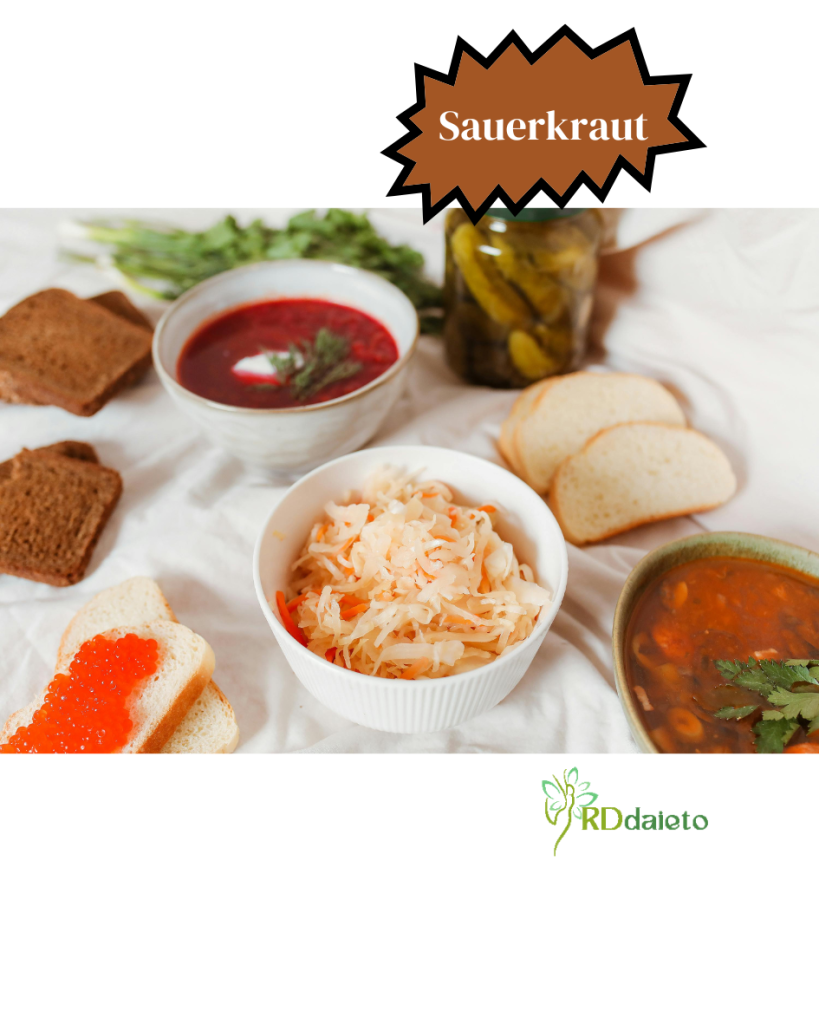
Sauerkraut is packed with Lactobacillus strains that improve gut flora, reduce bloating, and support regular bowel movements. It also contains fiber, which aids digestion by promoting gut motility. Eating raw, unpasteurized sauerkraut ensures the probiotics remain intact.
4. Kimchi
Kimchi is a traditional Korean fermented vegetable dish, often made with napa cabbage and radishes, seasoned with garlic, ginger, and chili peppers.
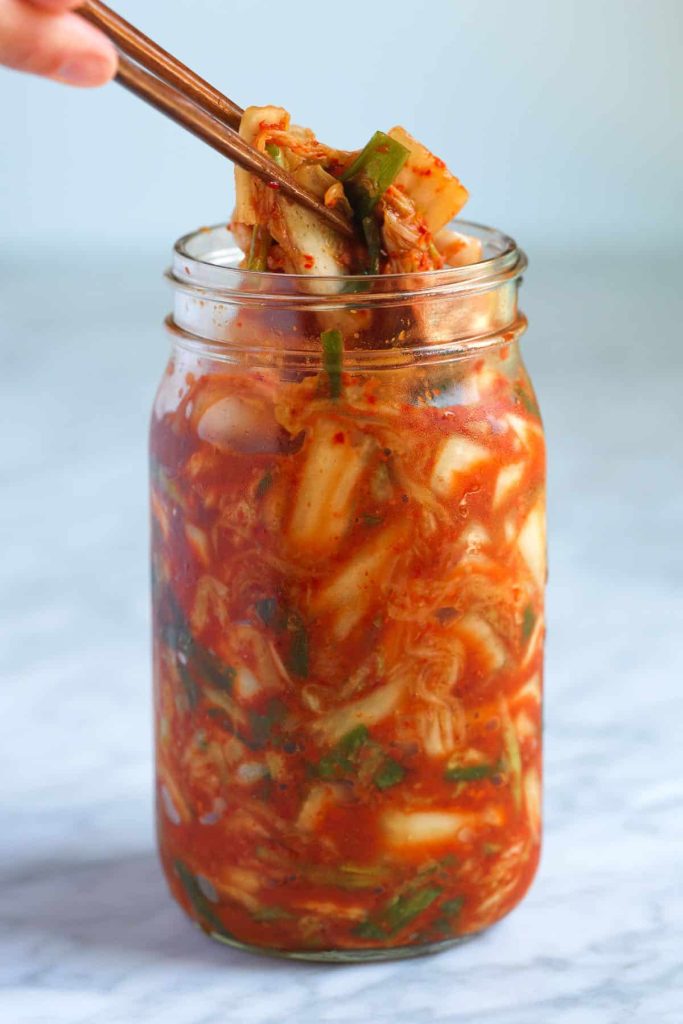
Vegetables are coated with a spiced paste, mixed with salt, and left to ferment for several days or weeks. The natural fermentation process produces lactic acid, which preserves the vegetables and enhances their probiotic content.
Kimchi is rich in Lactobacillus species that enhance gut flora, reduce inflammation, and improve digestion. It also contains fiber, vitamins, and antioxidants that support gut health. The spicy ingredients may stimulate digestion and promote gut motility.
5. Miso
Miso is a Japanese fermented soybean paste used in soups and sauces, offering a rich umami flavor and gut-friendly probiotics.
Soybeans are mixed with koji (a fermentation starter made from rice, barley, or soybeans) and left to ferment for weeks to years. This process creates a paste filled with probiotics, enzymes, and beneficial bacteria.
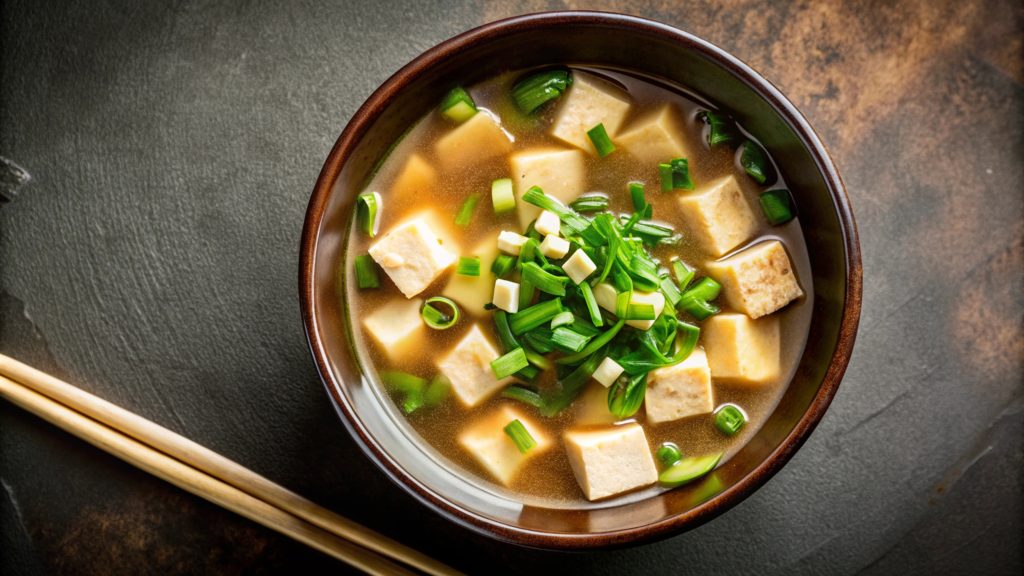
Miso contains Lactobacillus and Aspergillus oryzae, which support gut health by promoting beneficial bacteria growth and enhancing enzyme production for better digestion. The fermentation process also makes nutrients more bioavailable, aiding nutrient absorption.
6. Tempeh
Tempeh is a fermented soybean product from Indonesia, known for its firm texture and nutty flavor. It’s often used as a high-protein meat substitute.
Soybeans are soaked, cooked, and inoculated with Rhizopus mold spores. They ferment for 24-48 hours, forming a firm, cake-like structure. The fermentation process enhances its probiotic and nutrient content.
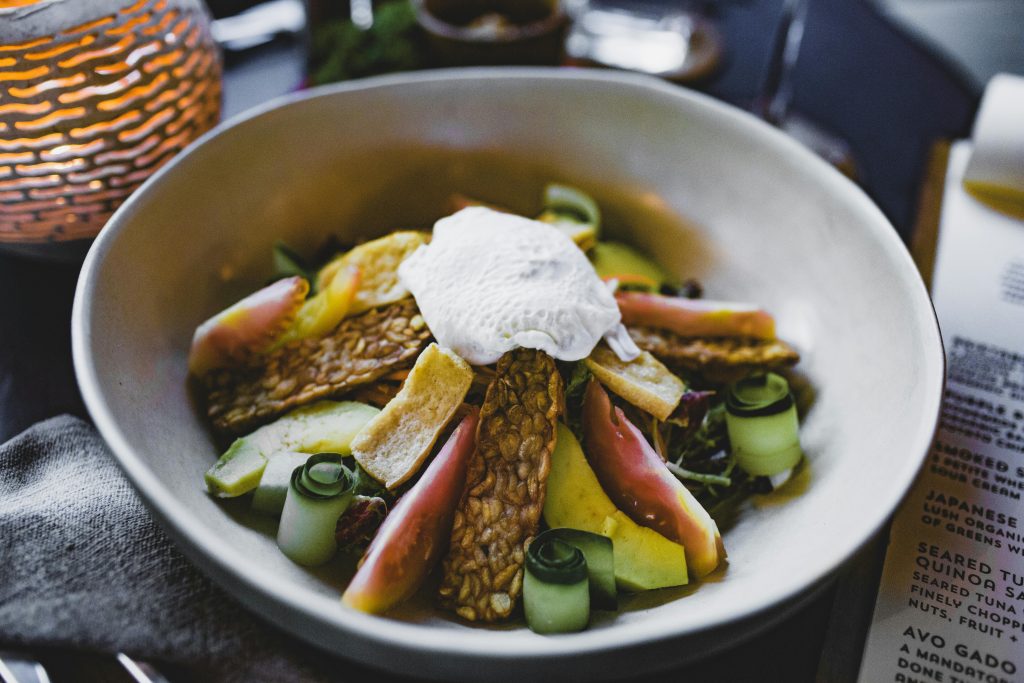
Tempeh is rich in probiotics and prebiotics, which nourish gut bacteria. It also contains enzymes that break down phytic acid, improving mineral absorption. The fermentation process makes soy easier to digest.
7. Kombucha
Kombucha is a fizzy, slightly sour fermented tea made with black or green tea, sugar, and a SCOBY (symbiotic culture of bacteria and yeast).
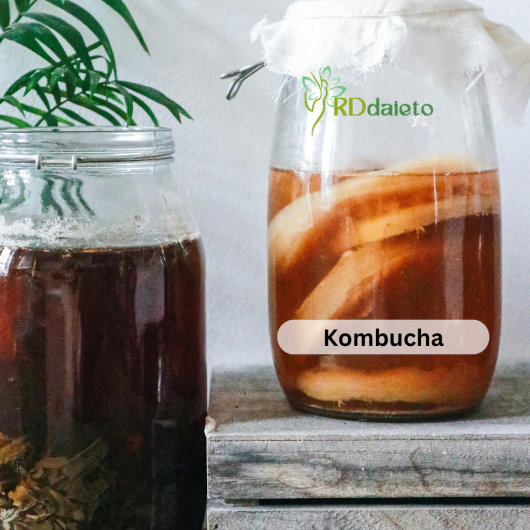
Tea is brewed and sweetened before adding the SCOBY, which ferments the liquid over 7-14 days. The result is a probiotic-rich, slightly tangy drink.
Kombucha contains beneficial probiotics and organic acids that support gut health, reduce bloating, and aid digestion. The tea polyphenols also promote healthy gut bacteria while reducing harmful microbes.
8. Pickles (Fermented Cucumbers, Carrots)
Fermented pickles are cucumbers soaked in a saltwater brine and left to ferment, creating a crunchy, probiotic-rich snack.
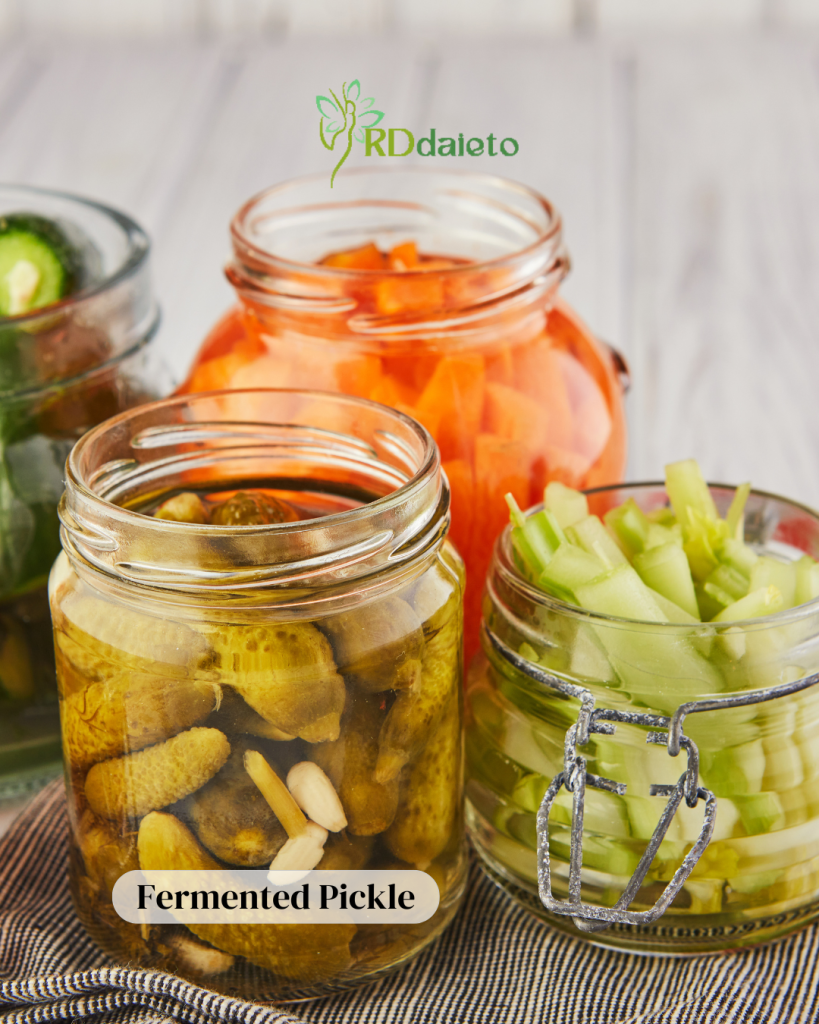
Cucumbers are submerged in a brine of water, salt, and sometimes spices. Over several days, lactic acid bacteria naturally ferment the cucumbers, preserving them and enhancing their probiotic content.
Fermented pickles contain Lactobacillus strains that support digestion by improving gut flora and preventing bloating. The natural acidity aids in breaking down food more efficiently.
9. Natto
Natto is a traditional Japanese dish made from fermented soybeans, known for its strong smell and sticky texture. Soybeans are fermented with Bacillus subtilis bacteria for 24-48 hours, producing a slimy, umami-rich dish.
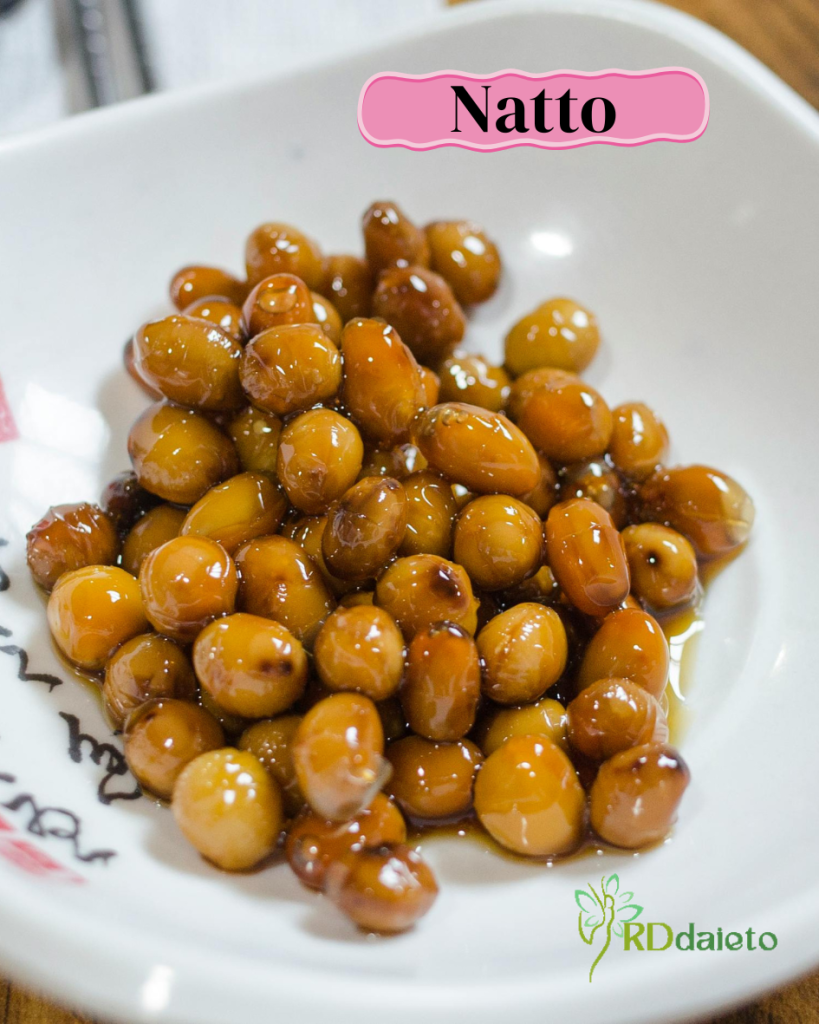
Natto contains probiotics that enhance gut flora and natto kinase, an enzyme that aids protein digestion and reduces bloating. It also supports nutrient absorption and improves gut motility.
10. Buttermilk
Traditional buttermilk is the liquid left after churning butter, naturally rich in probiotics. Milk is left to ferment with Lactobacillus cultures, giving it a tangy taste. Modern versions may be cultured with probiotic bacteria.

Buttermilk contains live probiotics that improve digestion, support gut bacteria, and ease bloating. It is also easier to digest than regular milk due to its lower lactose content.
The Bottom Line
Including these probiotic foods into your diet can improve gut health, aid digestion, and support overall well-being. Fermented foods are not only nutritious but also delicious, making gut health an enjoyable journey!
Disclaimer
The article is just for educational and should never be used as a source of professional advice for medical matters. Everyone’s diet may vary, the reader should consult with his or her physician and dietitian to determine whether the information here applies to their situation.
If you are looking for a certified dietitian, book your consultation today with RD Daieto.
FAQs
1. How Probiotic Foods helps to maintain a good gut health?
Probiotic foods play a crucial role in improving digestion and reducing bloating by maintaining the balance of beneficial gut bacteria. These foods, mostly rich in Lactobacillus and Bifidobacterium strains, enhance the breakdown of complex carbohydrates, proteins, and fats, making digestion more efficient. Probiotics also produce short-chain fatty acids (SCFAs) and enzymes that support nutrient absorption while reducing inflammation in the gut lining.
A study proves that regular consumption of probiotic-rich foods like yogurt, kimchi, and kefir fosters a healthier gut microbiome, promoting better digestion, reduced bloating, and overall digestive wellness.
2. When probiotic supplements are necessary?
Probiotic supplements are necessary when gut flora is imbalanced due to antibiotic use, digestive disorders (IBS, diarrhea), weak immunity, or poor diet. They help restore beneficial bacteria, improve digestion, and reduce bloating. Supplements are also beneficial for those who struggle to consume enough probiotic-rich foods in their daily diet.
3. Can I take prebiotics and probiotics together?
Yes, you can take prebiotics and probiotic together for a better gut health.
4. What is bloating?
Bloating is a condition like feeling of fullness, tightness, or pressure in your stomach. Bloating can be caused by excessive gas due to overeating or dehydration , constipation, hormonal fluctuations, food intolerances, excessive intake of salty foods, and Small intestinal bacterial overgrowth (SIBO).
Reference:
https://www.healthline.com/nutrition/healthy-snacks-for-kids