
Diabetes Diet Plan : Create Your Own No. 1 Healthy Plate
Introduction
Diabetes is a chronic condition that requires careful management, and one of the most crucial aspects of managing diabetes is maintaining a healthy diet. Whether you have Type 1 or Type 2 diabetes, your food choices can make a significant difference in controlling your blood sugar levels, promoting overall health, and reducing the risk of complications.
In the previous part, we are discussing about the symptom, diet management and support system. This guide will explore practical strategies for creating a diabetes-friendly eating plan that is easy to follow and supports long-term health.
These meal plans may not provide enough calories for some people, including those who:
- are very physically active
- are pregnant or breastfeeding
- have certain health conditions
In this blog, we discuss:
| The Aim of a Diabetes Diet Plan |
| Carbohydrates and Blood Sugar |
| The Importance of Fiber in a Diabetes Diet Plan |
| Incorporating Healthy Fats in Diabetes Diet Plan |
| Creating a Diabetes Meal Plan : The Plate Method |
| Sample Meal Plan |
| Managing Diabetes with Protein and Exercise |
| Foods to Avoid or Limit |
| Strategies for Avoiding Unhealthy Foods |
| Hydration and Diabetes |
| Monitoring Your Blood Sugar |
| Working with a Dietitian |
| The Bottom Line |
| FAQs |
| Disclaimer |
The Aim of a Diabetes Diet Plan
The aim of a diabetes diet is to help you maintain healthy blood sugar levels by balancing carbohydrate intake with your medication or insulin doses. However, a well-balanced diet is about more than just controlling carbs—it’s about incorporating nutrient-dense foods that nourish your body and help prevent complications like heart disease, obesity, high blood pressure and even chronic kidney disease.
So, the key Objectives of a Diabetes Diet are
- Control blood sugar levels: Maintaining stable blood glucose is essential for preventing spikes and crashes that can lead to complications.
- Promote heart health: People with diabetes are at a higher risk for heart disease, so a diet that promotes cardiovascular health is crucial.
- Manage weight: Achieving or maintaining a healthy weight can improve insulin sensitivity and overall health outcomes.
- Prevent Chronic Kidney disease (CKD): Uncontrolled blood sugar level for a long time can cause Chronic Kidney disease. So, diabetic diet can help you to prevent from CKD.
Carbohydrates and Blood Sugar
Carbohydrates have the most significant impact on blood sugar levels because they are broken down into glucose, which enters the bloodstream. Managing carbohydrate intake is key for keeping blood glucose levels in a healthy range.
Types of Carbohydrates
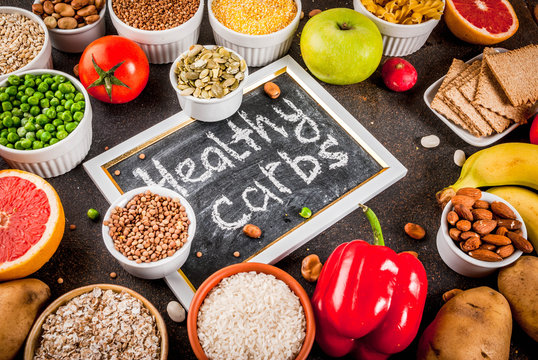
- Simple Carbs: Found in sugary foods, candy, and processed items, these can cause rapid spikes in blood sugar.
- Complex Carbs: Found in whole grains, vegetables, and legumes, these are digested more slowly and have a more gradual effect on blood sugar.
Tips for Managing Carbs:
- Carb counting: Work with your healthcare provider to determine how many grams of carbohydrates you should eat per meal and snack. Carb counting is very important because carbohydrates are ultimately break down into glucose which may have an effect on your blood glucose level.
- Choose complex carbohydrate: Choose brown rice, whole wheat, oats, quinoa, and other whole grains provide more fiber and nutrients than refined grains as these are good sources of complex carbohydrates.
- Portion control: Measuring out your portions can prevent overeating and help you stay within your carb limit. Portion control can help a better control blood sugar levels, manage your weight, and reduce the risk of diabetes-related complications.
The Importance of Fiber in a Diabetes Diet Plan
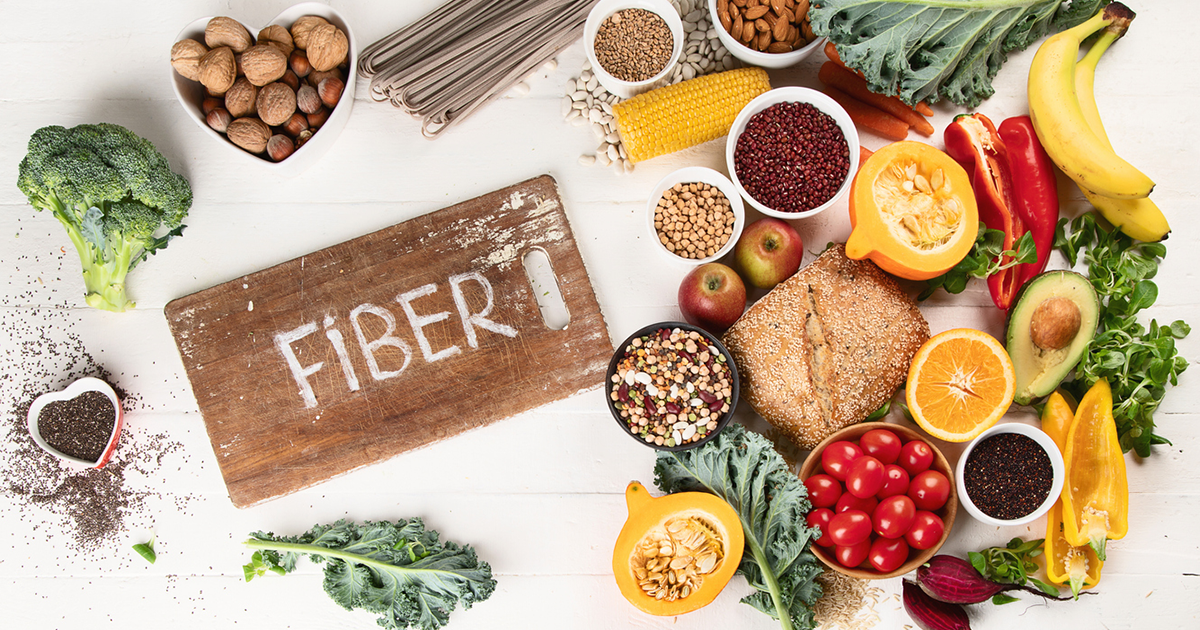
Fiber, especially soluble fiber, plays a critical role in managing diabetes. Foods high in fiber slow down the absorption of sugar and help regulate blood sugar levels. Fiber is also beneficial for digestion, heart health, and maintaining a healthy weight.
Fiber-Rich Foods to Include:
- Vegetables – broccoli, spinach, carrots, bottle gourds
- Whole grains- Brown rice, oats, barley, quinoa
- Legumes- beans, lentils, chickpeas
- Fruits- Prefer low glycemic index (GI) fruits like apples, pears, berries.
By sufficient fiber per day, you can also support your digestive health, feel fuller for longer, and maintain steady blood sugar levels.
Incorporating Healthy Fats in Diabetes Diet Plan
While fats don’t directly affect blood sugar, the good fat you consume can influence your overall health. Including healthy fats in your diet can improve heart health, which is especially important for people with diabetes who have a higher risk of cardiovascular disease.
Healthy Fats to Focus On
- Monounsaturated fats: Found in olive oil, avocados, and nuts, these fats can lower bad cholesterol and support heart health.

- Polyunsaturated fats: Found in fatty fish like salmon, walnuts, and flaxseeds, these fats provide essential omega-3 fatty acids, which can reduce inflammation.
Fats to Avoid
- Saturated fats: Found in red meat, butter, and full-fat dairy products, these can raise cholesterol levels and increase the risk of heart disease.
- Trans fats: Found in processed foods and baked goods, these fats are harmful to heart health and should be avoided altogether.
Creating a Diabetes Meal Plan
A balanced diabetic meal plan is one of the most effective ways to manage diabetes. Following a structured approach to meal planning can make it easier to control portions, balance nutrients, and maintain stable blood sugar levels throughout the day.
The Plate Method
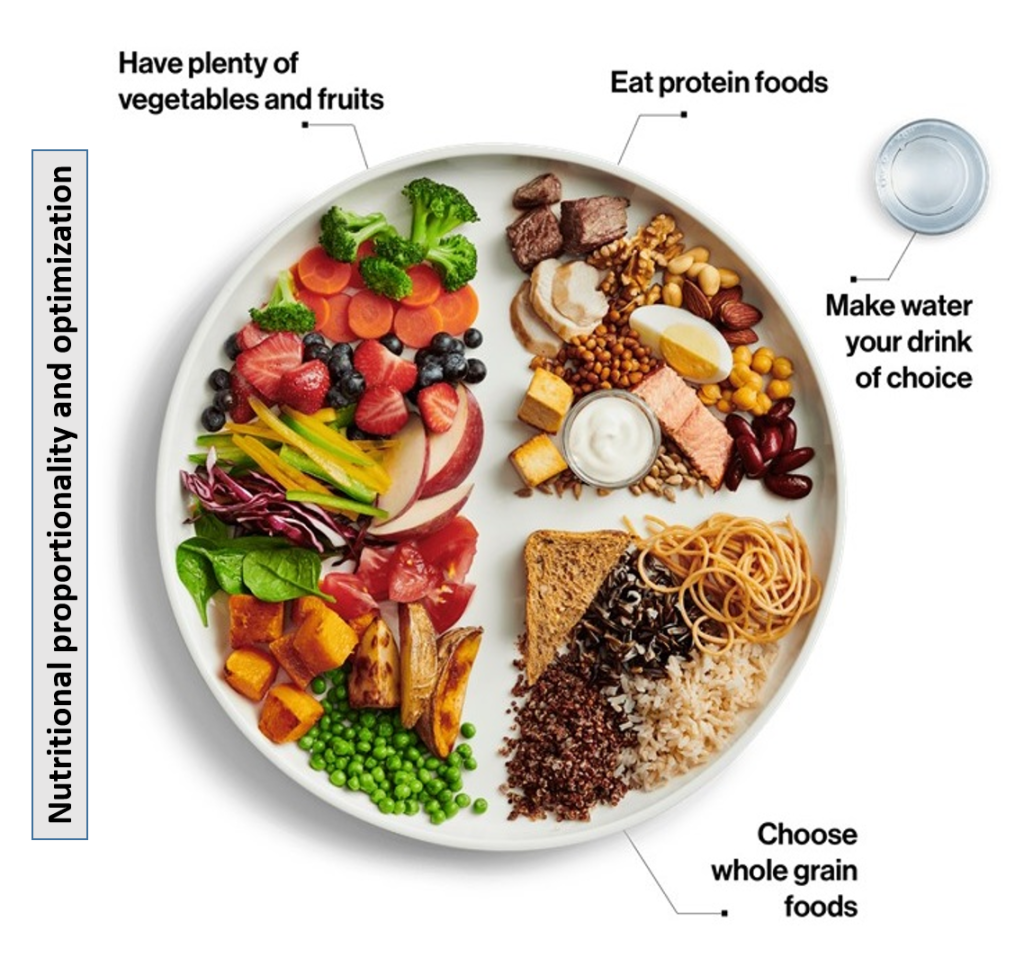
The plate method is a simple and effective way to plan meals. Here’s how to divide your plate:
- Half the plate: Non-starchy vegetables like leafy greens, broccoli, or peppers which are the source of fiber, vitamins, minerals and antioxidants.
- One-quarter of the plate: Lean protein such as chicken, turkey, tofu, or fish.
- One-quarter of the plate: Whole grains or starchy vegetables like brown rice, quinoa, or sweet potatoes which are mostly complex carbohydrates that slow down the spike of blood glucose level.
Sample Meal Plan
| TIMING | MENU |
| Early morning | Drink a glass of normal water |
| Breakfast | Whole-grain oatmeal with berries and a small handful of almonds |
| Mid- morning | A small apple with skin |
| Lunch | Brown rice/ Chapati with chicken/paneer light curry and salad with mixed greens, cherry tomatoes, cucumbers, and curd |
| Evening snacks | Sprout salad with sprouts, tomato, cucumber, onions, carrots etc.. |
| Dinner | Dalia khichri with vegetables |
This type of meal plan focuses on nutrient-dense foods while controlling portions, which helps keep blood sugar in check and prevents overeating.
However, this is just a sample menu plan for guidance. The number of calories a person needs each day will depend on factors such as:
- blood glucose targets
- activity levels
- height
- current body weight
- sex
- age
- food preference
- culture
- specific plans to lose, gain, or maintain weight
- the use of insulin and other medications
Managing Diabetes with Protein and Exercise
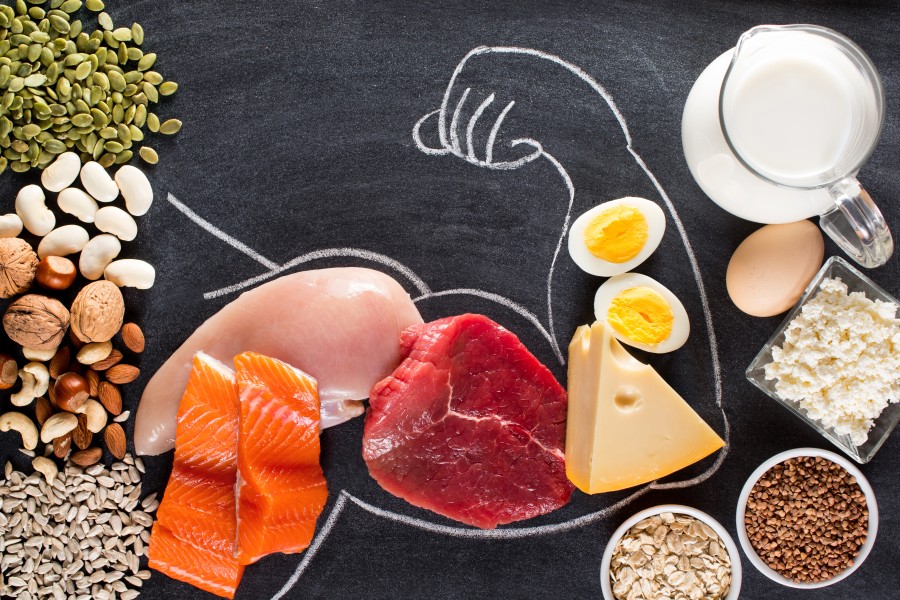
Protein plays an essential role in a diabetes diet by providing energy and helping the body repair tissues. Importantly, protein doesn’t cause spikes in blood sugar like carbohydrates do, making it a key component of any meal plan.
Best Sources of Protein
- Lean meats like chicken, turkey
- Fish especially fatty fish like salmon and tuna
- Plant-based proteins like beans, lentils, tofu etc.
- Eggs
- Milk & milk products
Importance of Exercise
Regular physical activity is also critical for managing diabetes, as it helps your body use insulin more efficiently and keeps blood sugar levels stable. Aim for at least 30 minutes of moderate exercise most days of the week.

Foods to Avoid or Limit
While it’s important to focus on nutrient-rich foods, there are certain foods that should be limited or avoided to help maintain healthy blood sugar levels.
- Sugary drinks: Soda, fruit juices, and energy drinks can cause rapid spikes in blood sugar.
- Processed snacks: Chips, cookies, and other packaged snacks are often high in refined carbs, sugars, and unhealthy fats.
- White bread and pasta: These are refined carbs that can cause blood sugar to rise quickly.
- Saturated or trans fats: Foods prepared with excessive saturated or trans fats like mayonnaise, butter, creamers, French fries and frozen food for high in trans-fat.
- Alcoholic beverages: Avoid alcoholic beverages especially which contain only carbohydrate and so are similar to drinking ordinary sugary drinks and are not recommended for people with diabetes.
Strategies for Avoiding Unhealthy Foods

Read labels
It is very important to pay attention to ingredients and avoid items with added sugars and trans fats.
Choose whole foods
Whenever possible, choose whole foods over processed ones, as they are usually more nutrient-dense and better for blood sugar management.
Hydration and Diabetes
Staying hydrated is an often-overlooked aspect of managing diabetes. Dehydration can lead to higher blood sugar levels, as the body tries to compensate by retaining more glucose.

Does hydration really helps in lowering blood sugar level?
Healthy Hydration Tips
- Prefer Water: Drink plenty of water throughout the day to stay hydrated and support kidney function.
- Avoid sugary drinks: Stick to water, herbal tea, or unsweetened beverages to prevent unnecessary sugar intake.
- Caffeine in moderation: While moderate amounts of coffee or tea can be part of a diabetes-friendly diet, excessive caffeine can lead to dehydration.
Monitoring Your Blood Sugar
In addition to following a healthy eating plan, regularly monitoring your blood sugar levels is essential. This allows you to see how different foods affect your glucose and make adjustments as needed.
Key Points for Blood Sugar Monitoring

- Test your blood sugar at consistent times each day, such as before meals and at bedtime.
- Blood test like FBS, PPBS, HbA1C etc. can be done at the initial level.
- Keep a log of your blood sugar levels, along with notes on what you ate, to identify patterns.
- Share your blood sugar records with your healthcare provider during check-ups for personalized advice.
Working with a Dietitian
If you’re feeling overwhelmed by the idea of creating a diabetes diet on your own, working with a registered dietitian can be incredibly helpful. A dietitian can provide personalized meal plans, help you understand portion sizes, and offer tips for managing blood sugar while still enjoying your favorite foods.
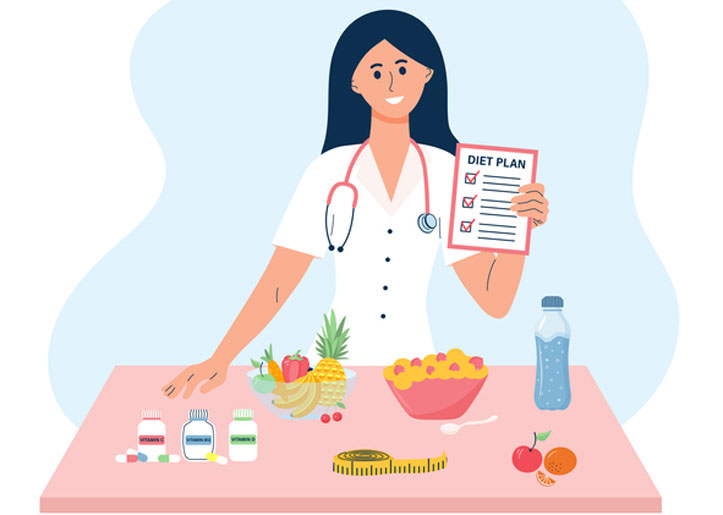
Benefits of Working with a Dietitian
- Personalized advice: Get tailored recommendations based on your specific health needs and lifestyle.
- Ongoing support: A dietitian can help you make adjustments to your eating plan as needed and offer motivation along the way.
- Education: Learn more about how different foods affect your blood sugar and how to make healthy choices in any situation.
If you are looking for a certified dietitian, you can book your diet consultation with RD daieto.
The Bottom Line
A diabetes-friendly diet doesn’t have to be complicated or restrictive. By focusing on whole, nutrient-dense foods, controlling portions, and making mindful food choices, you can successfully manage your blood sugar levels and promote long-term health. Incorporating exercise, staying hydrated, and working with a healthcare team can further enhance your ability to manage diabetes and live a healthy, fulfilling life.
FAQs
What food can people with diabetes?
The food can take people with diabetes are:
- Non-starchy vegetables like leafy greens, broccoli, or peppers which are the source of fiber, vitamins, minerals and antioxidants.
- Lean protein such as chicken, turkey, tofu, or fish.
- Whole grains or starchy vegetables like brown rice, quinoa, or sweet potatoes which are mostly complex carbohydrates.
What are the 10 best foods for a diabetic?
10 best foods for diabetes control are brown rice, quinoa, sweet potatoes, chicken, fish, lentils, oatmeal, nuts, yogurt, berries etc.
What are 3 rules of a diabetic diet?
3 common rule for controlling diabetes are:
- Maintain your carb counting
- Add more fiber and protein rich foods in your diet
- Portion control
Can diabetics eat rice?
People with diabetes can eat rice but the amount should be in moderation. It is better to include moderate amount of rice with a variety of other fiber rich foods for better sugar control.
What are the 5 worst foods for blood sugar?
Mostly sugary and processed foods like
- Ketchup
- White pasta
- Jam, jelly
- Packaged fruit juice
- Chips
Sources
- https://www.mayoclinic.org/diseases-conditions/diabetes/in-depth/diabetes-diet/art-2004429
- https://www.medicalnewstoday.com/articles/318277#considerations
Disclaimer
This content is just for Educational purposes. It is always better to consult with your dietitian for better customized diabetic diet plan.