11 Iron-Rich Foods for Diabetes: Iron-Rich Diabetes Meal Plan
Introduction
Managing diabetes requires more than just keeping an eye on blood sugar levels; maintaining balanced nutrition is critical to overall health. One important nutrient that people with diabetes should focus on is iron. Iron plays a vital role in the body, ensuring the production of healthy red blood cells and helping to transport oxygen throughout the body. However, diabetes can sometimes interfere with the body’s ability to manage iron, which may lead to either iron deficiency or iron overload.
This article explores 11 iron-rich foods that are particularly beneficial for people with diabetes, and how you can incorporate these foods into a balanced diet. By the end, you’ll understand how to manage your iron intake for optimal health while keeping your diabetes in check.
Iron and Its Role in the Body
Iron is an essential mineral that plays several critical roles in the body, including supporting energy levels, immune function, and red blood cell production. Iron is also vital for cognitive function and muscle health. There are two main types of dietary iron:
- Heme Iron: Found in animal-based foods, heme iron is absorbed more efficiently by the body. It is typically found in meats such as chicken, beef, liver, and seafood.
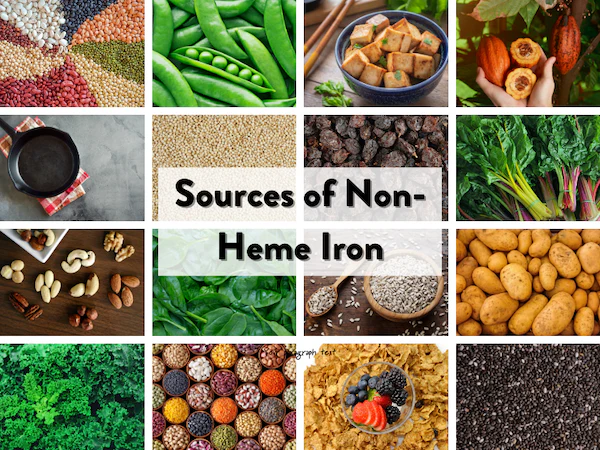
- Non-Heme Iron: Found in plant-based foods, non-heme iron is not absorbed as efficiently but is still an important source, particularly for vegetarians and vegans. Non-heme iron is found in foods like beans, spinach, lentils, and fortified cereals.
The daily recommended intake of iron depends on age, gender, and overall health. For instance, adult men require about 8 mg per day, while women need around 18 mg until they reach menopause, when the requirement drops to 8 mg. Individuals with diabetes must be especially mindful of their iron intake due to potential absorption and metabolic issues.
How Much Iron Should a Diabetic Take?
The daily recommended amount of Iron is depending upon the life stage like age, sex and your food preference like vegetarians are eat none or less amount of heme iron sources.
| Life Stage | Recommended Amount |
| Birth to 6 months | 0.27 mg |
| Infants 7–12 months | 11 mg |
| Children 1–3 years | 7 mg |
| Children 4–8 years | 10 mg |
| Children 9–13 years | 8 mg |
| Teen boys 14–18 years | 11 mg |
| Teen girls 14–18 years | 15 mg |
| Adult men 19–50 years | 8 mg |
| Adult women 19–50 years | 18 mg |
| Adults 51 years and older | 8 mg |
| Pregnant teens | 27 mg |
| Pregnant women adults | 27 mg |
| Breastfeeding teens | 10 mg |
| Breastfeeding women adults | 9 mg |
How Diabetes Affects Iron Absorption and Metabolism
Diabetes can have a significant impact on how the body processes and absorbs iron. People with diabetes are often at higher risk of developing iron deficiency anemia, a condition where the body lacks sufficient healthy red blood cells due to low iron levels. This is particularly common in those with type 2 diabetes or those who have kidney disease, as both conditions can impair iron metabolism.
Moreover, certain medications used to manage diabetes, such as metformin, may interfere with the absorption of essential nutrients, including iron. For these reasons, it’s crucial for people with diabetes to monitor their iron levels and include iron-rich foods in their diets to avoid potential complications like fatigue, weakness, and cognitive impairment.
Benefits of Iron-Rich Foods for Managing Diabetes
A balanced diet that includes iron-rich foods is key to managing both diabetes and maintaining healthy iron levels. Here are some of the best sources of iron that are safe and beneficial for individuals with diabetes:
Animal-Based Iron Sources (Heme Iron)
- Egg Whites: As per study, Half the protein in eggs comes from the whites, but the whites contain only trace amounts of fat and less than a quarter of the calories of whole eggs.
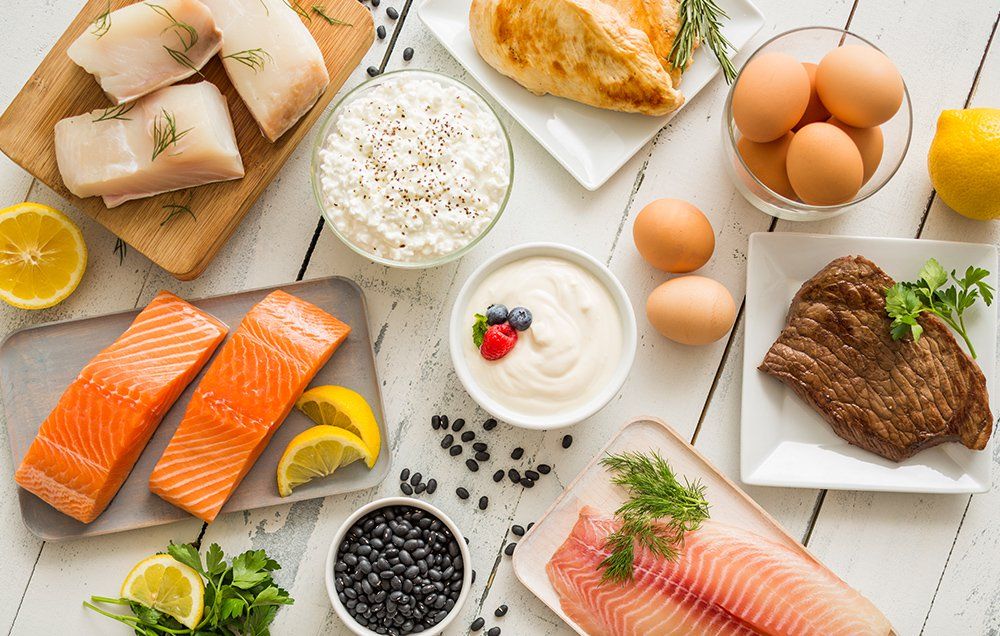
- Poultry: Chicken and turkey, especially dark meat, are rich in iron. A grilled chicken breast or turkey slice can be a tasty and nutritious way to boost your iron intake. Iron content in 100 gms of chicken is 1.3 mg.
- Seafood: Fish like salmon, sardines, and tuna are high in iron and omega-3 fatty acids, which are excellent for heart health. Shellfish such as clams, mussels, and oysters also provide a rich source of iron.
- Lean Meats: Lean cuts of beef, pork, and lamb are excellent sources of heme iron, which is easily absorbed by the body because the Biological Value(BV) of these foods are high. 100 gms of red meat like beef has 2.7 mg of iron.
- Liver: Organ meats, such as liver, are some of the richest sources of heme iron. However, due to their high cholesterol content, liver should be consumed in moderation, especially for individuals with diabetes.
Plant-Based Iron Sources (Non-Heme Iron)
- Leafy Greens: Spinach, kale, and Swiss chard are packed with iron, especially when cooked. These greens are also low in carbohydrates, making them ideal for people managing diabetes.
- Lentils and Beans: Legumes such as lentils, chickpeas, black beans, and kidney beans are excellent sources of non-heme iron. They are also high in fiber, which can help stabilize blood sugar levels.
- Tofu and Tempeh: These soy-based products are great plant-based sources of iron, and they also provide protein. Tofu, in particular, is low in carbs, making it a versatile food for diabetes-friendly meals.
- Fortified Cereals and Whole Grains: Many cereals are fortified with iron, making them a convenient way to increase iron intake. Opt for whole grain cereals with low sugar content to keep blood sugar levels stable.
Iron-Rich Snacks
- Nuts and Seeds: Almonds, pumpkin seeds, and sunflower seeds are nutrient-dense snacks that offer a good amount of iron. These snacks are also low in carbohydrates and provide healthy fats.
- Dried Fruits: Dried apricots, raisins, and prunes are concentrated sources of iron. However, since dried fruits can contain natural sugars, it’s important to consume them in moderation, or sometimes it may be restricted for individuals with diabetes. So, it is better to consult a certified dietitian before daily consumption.
Both are also rich in omega -3 fatty acids, calcium, potassium, vitamins A, D, E, K and a lots of other important minerals.
How to Increase Iron Absorption Naturally
While eating iron-rich foods is essential, it’s equally important to know how to enhance your body’s ability to absorb iron. Here are some practical tips to help maximize iron absorption:
- Add Iron-Rich Foods with Vitamin C: Vitamin C enhances the absorption of non-heme iron. For example, pairing spinach or lentils with foods rich in vitamin C, such as oranges, bell peppers, or tomatoes, can significantly boost iron uptake.
- Avoid Calcium-Rich Foods with Iron: Calcium can inhibit iron absorption, so it’s best to avoid consuming large amounts of calcium-rich foods (such as dairy) during iron-rich meals.
- Limit Caffeine During Meals: Tea, coffee, and other caffeine-rich beverages can reduce iron absorption if consumed with meals. If you’re trying to increase iron intake, consider having these beverages between meals instead.
- Cook in Cast Iron Pans: Cooking food in cast iron pans can add trace amounts of iron to your meals, particularly when cooking acidic foods like tomatoes.
Special Considerations for Diabetics
For people with diabetes, managing iron intake is not just about increasing consumption of iron-rich foods but also about considering any underlying health conditions that may interfere with iron metabolism. Here are some factors to keep in mind:
A. Chronic Kidney Disease (CKD)
People with diabetes are at higher risk of developing CKD, which can lead to anemia due to poor iron absorption and low red blood cell production. Regular monitoring of iron levels is crucial for those with both diabetes and CKD.
B. Consult a Doctor Before Supplementing
While food-based iron sources are generally safe, iron supplements should only be taken under medical supervision. Excessive iron intake can lead to iron overload, which can be harmful, especially for people with diabetes.
C. Monitor for Anemia
Common symptoms of anemia, such as fatigue, dizziness, and shortness of breath, may overlap with symptoms of poorly managed diabetes. If you notice these signs, consult a healthcare provider for an iron along with HbA1c level check.
Iron Rich Diet Plan
Here is a sample one-day meal plan rich in iron and designed to be diabetes-friendly:
| TIMING | MEAL MENU |
| Early Morning | Drink 1 glass of normal water |
| Breakfast | One bowl Suji (semolina) upma with vegetables and 2 boiled egg white or 1 small bowl chhana |
| Midmorning | 2 portion of any diabetic fruit |
| Lunch | One bowl rice + Lentil curry (dal)/ fish curry with spinach, tomatoes and bottle gourd with one bowl curd |
| Snacks | 1 cup of green tea and after 30 minutes, One bowl of poha with vegetables and nuts |
| Dinner | Oats khichdi with vegetables and 2 egg white omlette |
This diet plan not only provides a balanced source of iron but also includes low glycemic index foods that help in stabilizing blood sugar levels.
Common Myths about Iron and Diabetes
Myth: People with Diabetes Don’t Need to Worry About Iron Levels
Fact: While the primary focus in diabetes management is often on blood sugar, iron levels are equally important for overall health, especially if there’s a risk of anemia.
Symptoms of Anemia
Anemia signs and symptoms vary depending on the cause and severity of anemia but some of the common symptoms are:
- Fatigue
- Weakness
- Pale or yellowish skin
- Irregular heartbeats
- Shortness of breath
- Dizziness or lightheadedness
- Chest pain
- Cold hands and feet
- Headaches
- Insomnia
- Cramps on leg muscle during exercise
FAQs about Iron and Diabetes
FAQ 1: Can Iron Deficiency Worsen Blood Sugar Control?
Yes, iron deficiency can cause fatigue and may make it more difficult to manage diabetes. Addressing iron deficiency can improve energy levels and overall blood sugar management.
FAQ 2: Are Iron Supplements Safe for People with Diabetes?
Iron supplements can be safe, but they should only be taken under medical supervision, especially for individuals managing diabetes, to avoid the risk of iron overload.
Conclusion
Iron is an essential nutrient that plays a vital role in maintaining good health, especially for individuals with diabetes. By incorporating a variety of iron-rich foods into your diet and following strategies to enhance absorption, you can support your energy levels, improve your overall well-being, and better manage your diabetes. Always consult with a healthcare provider or dietitian before making any major changes to your diet or starting new supplements.
At RDdaieto, we’re dedicated to helping you live a healthier life with personalized diet plans that address your unique needs. For more guidance on how to balance your diet for diabetes and overall health, schedule a consultation with us today.
Disclaimer
This blog content is just for educational purpose and not not against any professional’s advice. Every individuals diet is different as per his/ her height, weight, age, sex, health conditions and other important factors. It is better to plan your diet with a certified dietitian.