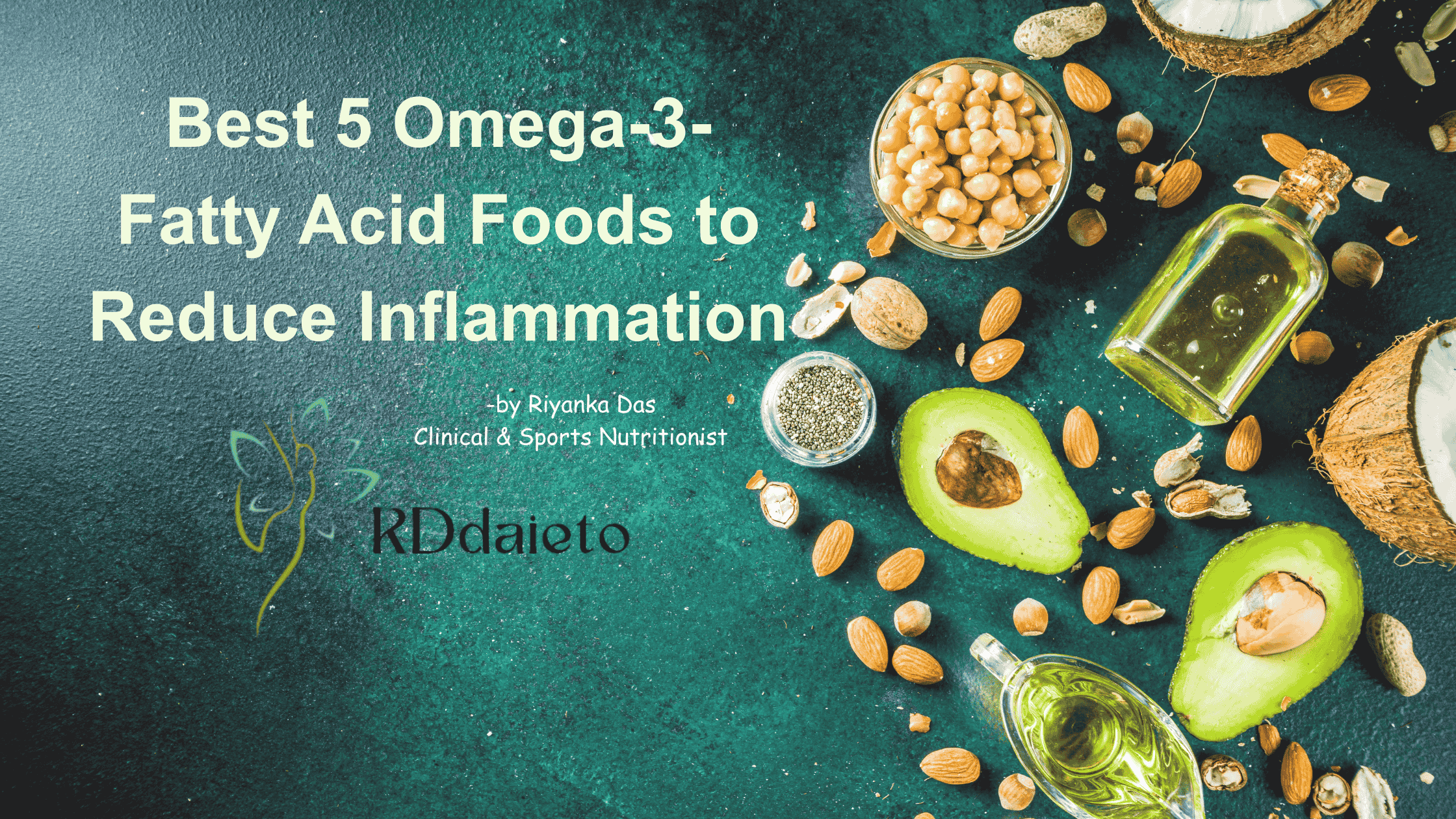
Best 5 Omega-3- Fatty Acid Foods to Reduce Inflammation
Are you feeling cramps on legs or joint pain even after following a diet? Have you ever feel any inflammation?
If yes, then you may have omega-3 fatty acid deficiency.
In this blog, we are discussing about 5 best omega-3-fatty acid foods to reducing inflammation. Also discuss how omega-3-fatty acids can helps in reducing inflammation.
Chronic inflammation is often described as a “silent trigger” behind many modern health concerns — from heart disease and joint pain to metabolic disorders and cognitive decline. While inflammation is a natural defense mechanism of the body, persistent low-grade inflammation can gradually damage tissues and organs.
One of the most researched nutritional strategies to manage inflammation is increasing Omega-3-fatty acids in the diet. According to the National Institutes of Health, omega-3-fatty acids play a significant role in reducing inflammatory markers and supporting overall health. These essential fats cannot be produced efficiently by the body and must be obtained from food.

The three main types of omega-3s include:
- EPA (Eicosapentaenoic acid)
- DHA (Docosahexaenoic acid)
- ALA (Alpha-linolenic acid)
EPA and DHA are primarily found in fatty fish and are directly usable by the body. ALA is found in plant sources and can be partially converted into EPA and DHA.
Best 5 Omega-3- Fatty Acid Foods to Reduce Inflammation
If you are looking to naturally reduce inflammation and support your heart, joints, and brain, here are the five best omega-3-rich foods to include in your daily routine.
1. Fatty Fish (Salmon, Mackerel, Sardines)
When it comes to omega-3 fatty acids, fatty fish are considered the gold standard. They provide high amounts of EPA and DHA in their most bioavailable form.
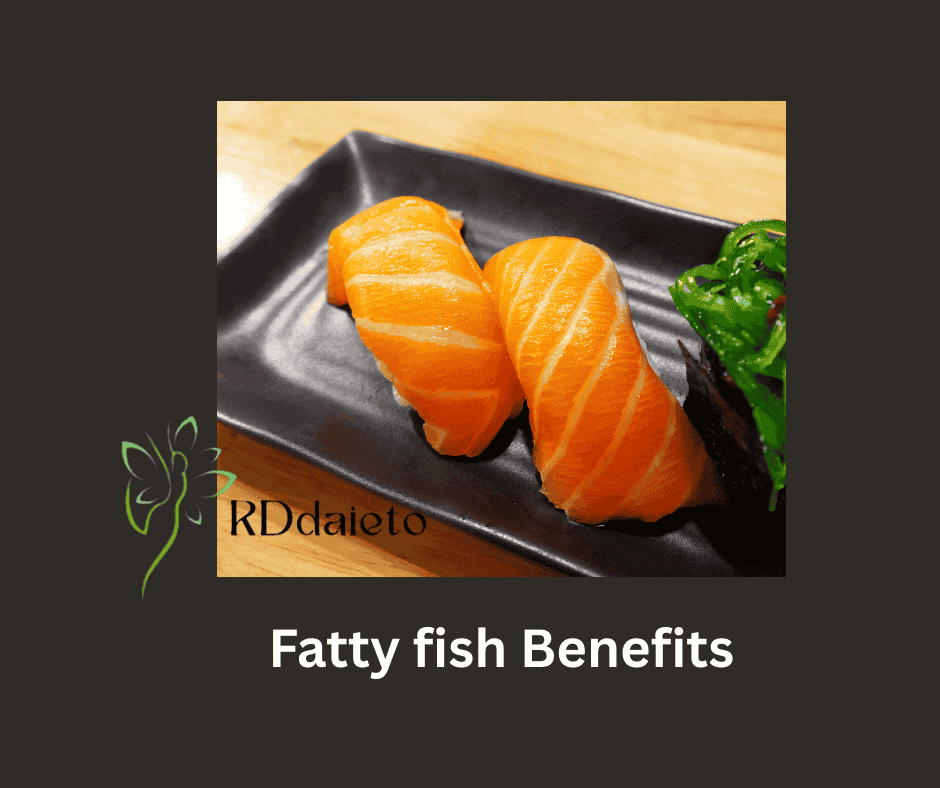
Research highlighted by Johns Hopkins Medicine emphasizes that fatty fish are powerful inflammation fighters due to their concentrated EPA and DHA content.
Why They Are So Effective
- Direct source of EPA and DHA
- Help reduce inflammatory cytokines
- Lower triglyceride levels
- Support cardiovascular health
- Aid in reducing joint stiffness and pain
Nutritional Benefits
- Rich in high-quality protein
- Excellent source of vitamin D
- Provide selenium and B vitamins
For example:
A 100g serving of salmon can provide approximately 1,500–2,000 mg of combined EPA and DHA.
How to Include Them
- Grilled salmon with steamed vegetables
- Sardines added to salads
- Mackerel curry (light oil preparation)
- Baked fish with herbs and lemon
If you consume fish 2–3 times per week, you significantly increase your anti-inflammatory nutrient intake.
2. Flaxseeds
For those following a vegetarian or plant-based diet, flaxseeds are one of the richest sources of ALA (alpha-linolenic acid).
According to various nutrition resources, flaxseeds are among the top plant-based omega-3 sources due to their high ALA concentration.
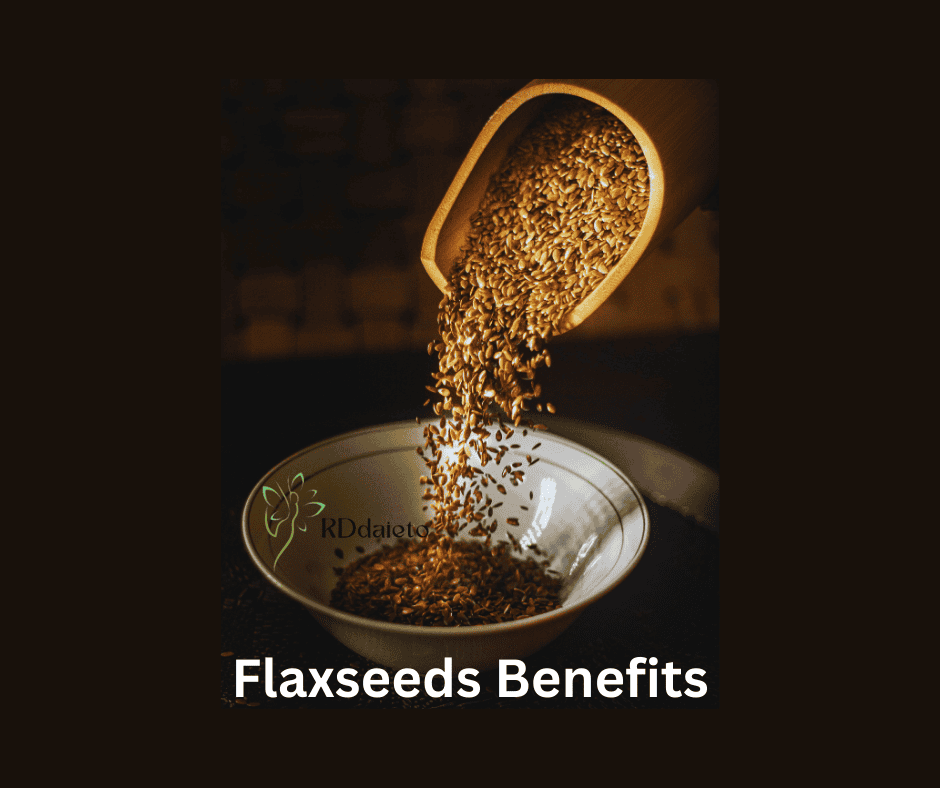
Why Flaxseeds Matter
- Provide significant ALA content
- Help reduce C-reactive protein (CRP), an inflammatory marker
- Improve lipid profiles
- Support gut health due to high fiber
One tablespoon of ground flaxseed contains approximately 1,600–2,300 mg of ALA.
Whole vs Ground Flaxseed
Ground flaxseed is better absorbed than whole seeds. Whole seeds may pass through the digestive tract without releasing their nutrients effectively.
How to Use Flaxseeds
- Add 1 tablespoon to smoothies
- Mix into curd or yogurt
- Sprinkle over oatmeal
- Use flaxseed powder in chapati dough
- Add to homemade energy balls
Regular inclusion of flaxseeds can support heart health and reduce chronic inflammation over time.
3. Chia Seeds
Chia seeds have gained popularity in recent years due to their impressive nutrient profile. They are rich in ALA and fiber, making them a valuable anti-inflammatory food.
Health research platforms like Healthline report that one tablespoon of chia seeds contains approximately 1,700 mg of omega-3 fatty acids.
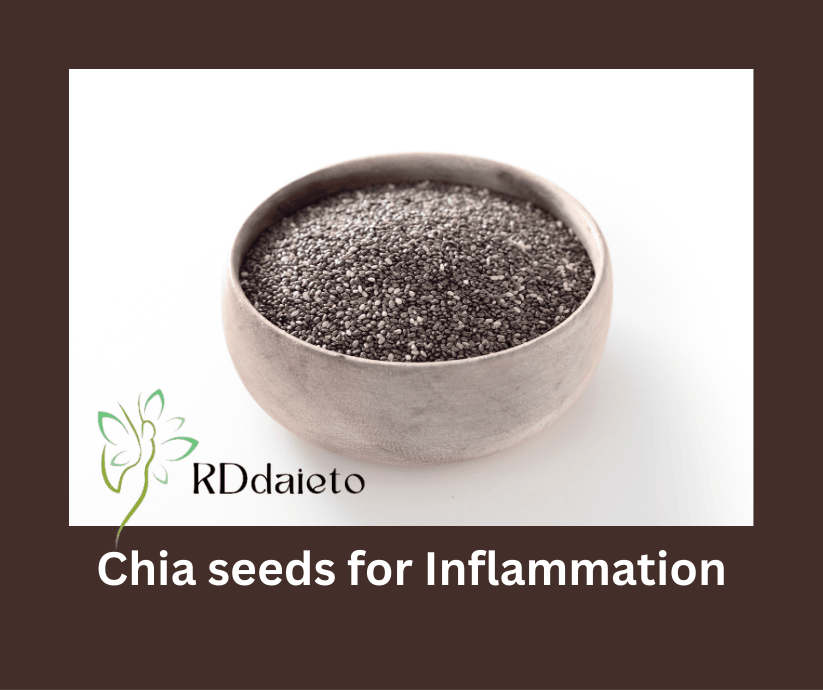
Anti-Inflammatory Benefits
- High ALA content
- Rich in antioxidants
- Support stable blood sugar levels
- Promote gut microbiome balance
- Help manage weight through satiety
Chia seeds absorb water and form a gel-like consistency, which supports digestive health and slows glucose absorption — indirectly helping to reduce inflammatory stress.
Simple Ways to Add Chia
- Chia pudding with almond milk
- Add to smoothies
- Sprinkle over fruit bowls
- Mix into pancake batter
- Stir into lemon water
Even 1–2 tablespoons daily can meaningfully improve omega-3 intake for vegetarians.
4. Walnuts
Among nuts, walnuts stand out as a particularly rich source of plant-based omega-3 fatty acids.
Research published in journals like Molecular Diagnostics & Therapy has explored how omega-3 intake influences inflammation-related pathways.

Omega-3 Content
A 30g serving (a small handful) of walnuts provides approximately 2,500 mg of ALA.
Why Walnuts Help Reduce Inflammation
- Improve endothelial (blood vessel) function
- Reduce oxidative stress
- Lower LDL oxidation
- Provide polyphenols and antioxidants
Walnuts are nutrient-dense and convenient, making them easy to incorporate into busy lifestyles.
Practical Ways to Eat Walnuts
- Snack on a small handful daily
- Add to salads
- Mix into oatmeal
- Blend into smoothies
- Use in homemade granola
Because they are calorie-dense, portion control is important, especially if weight management is a goal.
5. Soybean Oil and Soy Products
Soybean oil and soy-based products such as tofu and soya chunks provide ALA and contribute to overall omega-3 intake.
Soybean oil is one of the most widely used cooking oils globally and contains moderate amounts of ALA compared to many other vegetable oils.
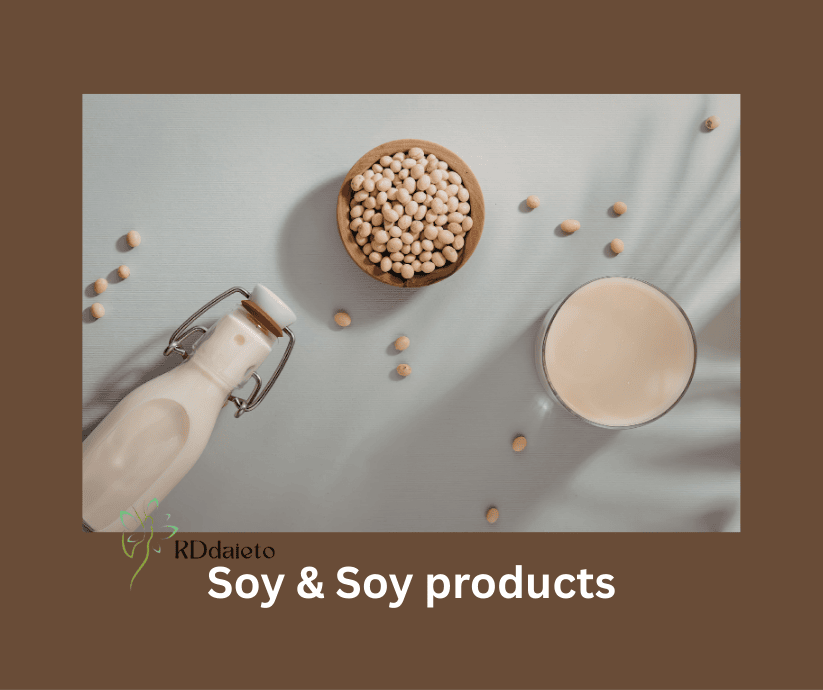
Benefits of Soy-Based Omega-3 Sources
- Provide plant-based ALA
- Offer complete protein (especially tofu and soy chunks)
- Support cholesterol management
- Suitable for vegetarian diets
Smart Usage Tips
- Use soybean oil in moderation for cooking
- Include tofu in stir-fries
- Add soya chunks to pulao or curry
- Prepare soy-based cutlets for balanced meals
While soybean oil does contain omega-3, balance is essential because it also contains omega-6 fatty acids. Maintaining a healthy omega-6 to omega-3 ratio is important for inflammation control.
How Omega-3 Fatty Acids Reduce Inflammation
Omega-3 fatty acids help regulate the body’s inflammatory response by:
- Decreasing production of pro-inflammatory molecules
- Producing specialized pro-resolving mediators
- Lowering C-reactive protein levels
- Improving cell membrane function
- Supporting immune balance
Long-term inclusion of omega-3-rich foods has been associated with reduced risk of:
- Cardiovascular disease
- Rheumatoid arthritis
- Metabolic syndrome
- Cognitive decline
- Fatty liver disease
The anti-inflammatory effect is gradual and consistent rather than immediate. Regular intake is key.
How Much Omega-3 Do You Need?
General recommendations suggest:
- At least 250–500 mg of combined EPA and DHA daily for adults
- Higher intake under medical supervision for specific inflammatory conditions
- For plant-based diets, consistent ALA intake (1.1–1.6 g/day minimum)
- Individual needs may vary depending on health status, age, and dietary pattern.
Practical Weekly Plan to Boost Omega-3 Intake
Here is a simple approach:
- Eat fatty fish 2–3 times per week
- Add 1 tablespoon flaxseed daily
- Include chia seeds 3–4 times per week
- Snack on a handful of walnuts daily
- Use soy products 2–3 times per week
- Small, consistent changes create meaningful long-term health benefits.
Final Thoughts
Inflammation does not develop overnight — and it does not resolve overnight either. However, nourishing your body with the right fats can significantly shift your internal environment toward healing.
The five best omega-3-rich foods — fatty fish, flaxseeds, chia seeds, walnuts, and soybean products — provide essential EPA, DHA, and ALA that help combat chronic inflammation naturally. These nutrient-dense choices support heart health, joint flexibility, brain function, and overall metabolic balance.
If you are experiencing persistent inflammation-related symptoms such as joint pain, fatigue, or metabolic imbalance, consider evaluating your dietary fat quality. Thoughtful meal planning and personalized nutrition strategies can make a substantial difference.
A structured approach under professional guidance ensures that omega-3 intake is balanced, sustainable, and aligned with your health goals.
Your body responds to consistency. When you nourish it daily with anti-inflammatory foods, you invest in long-term resilience and well-being.
If you are looking for a diet consultation, book a slot at RD daieto.
FAQs
- Which foods are best in omega-3-fatty acid?
Fatty fish, flaxseeds, chia seeds, walnuts, and soybean products.
- What happens if I eat chia and flax seeds every day?
Eating chia seeds and flax seeds regularly may help improve cardiovascular health by reducing: blood pressure levels. low-density lipoprotein (LDL) cholesterol levels. oxidative stress.
- Is oily fish good for inflammation?
One form of these powerful inflammation fighters is found in fatty fish such as salmon, herring, mackerel, sardines, tuna, striped bass and anchovies
- Do chia seeds reduce inflammation?
Yes, the proteins obtained from digested chia seeds have anti-inflammatory properties.