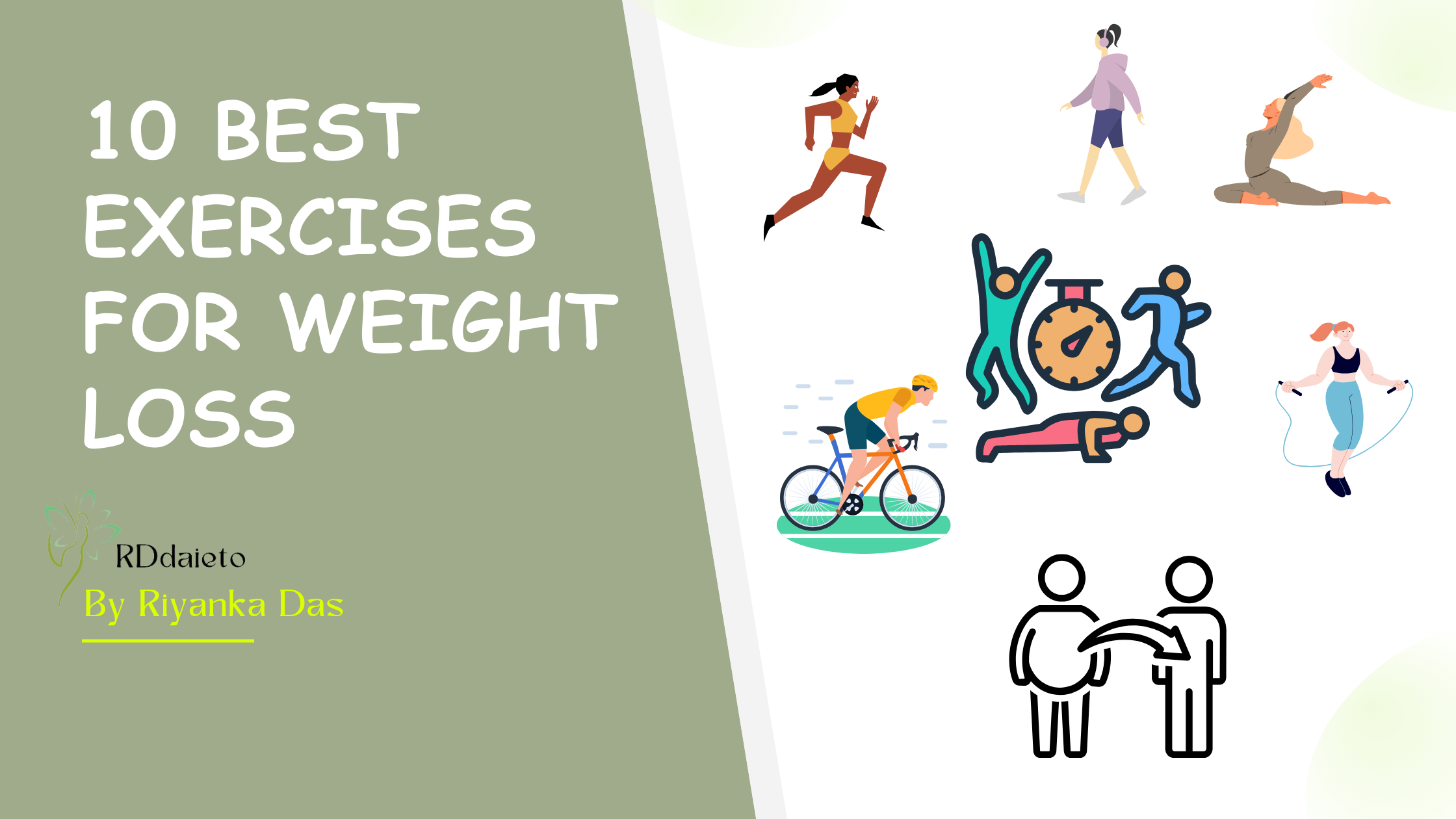
10 Best Exercises For Weight Loss
Losing weight safely is a goal for many, but finding the right path can be overwhelming. At RDdaieto, we provide personalized diet and exercise plans to help our clients achieve sustainable weight loss. While diet plays a crucial role, exercise is essential for boosting metabolism, building muscle, and burning calories. In this blog, we’ll dive into the best exercises for weight loss, backed by science, and how they work.
Importance of Exercise for Weight Loss
Exercise is vital for more than just shedding pounds. It improves cardiovascular health, builds muscle, enhances mood, and boosts metabolism. According to the CDC, regular physical activity can help burn calories, making it a key factor in weight management. Combining a customized diet with regular exercise ensures that you lose fat, not muscle, leading to sustainable results.
One study found that people with type 2 diabetes improved their blood sugar control when they lost as little as 2% of their body weight.
Also Read : Diabetes Diet Plan : Create Your Own No. 1 Healthy Plate
Diet or Exercise: Which is Best for Weight Loss?
There’s a long-standing debate about whether diet or exercise is more important for weight loss. Research from the National Institutes of Health suggests that while diet has a more immediate impact on weight loss, exercise is crucial for maintaining the weight loss and improving overall health. In fact, a combination of both produces the best results for most people.
Best Exercises For Weight Loss
1. Walking
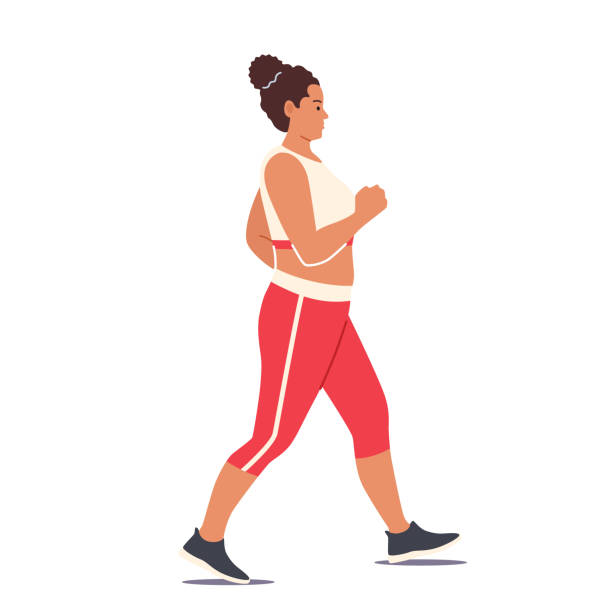
Walking may seem simple, but it’s one of the most effective forms of exercise for weight loss, especially for beginners. Not only is it low-impact and easy to incorporate into your daily routine, but walking can also be done almost anywhere—around your neighborhood, at a park, or on a treadmill.
How To Do It
Start by walking at a moderate pace (about 3-4 mph) for at least 30 minutes a day. To increase the intensity, you can add intervals of brisk walking, incorporate hills, or use light hand weights. For more advanced walkers, power walking, where you engage your core and increase your pace, is a great way to increase calorie burn.
Calories burned
The calories you burn from walking depend on your speed and weight. A person weighing around 155 pounds can burn approximately 260 calories during a 60-minute walk at a moderate pace of 3.5 mph. Walking at a faster pace (around 4 mph) can increase the calorie burn to 350-400 calories per hour.
Who should avoid it
Walking is safe for most people and recommended for individuals of all fitness levels. However, those with severe foot, ankle, or knee conditions should consult with a healthcare provider before starting a regular walking routine.
Benefits
Walking improves cardiovascular health, strengthens bones, and boosts mood. Studies have shown that walking 10,000 steps per day can help maintain a healthy weight and reduce the risk of various diseases, such as type 2 diabetes and heart disease. Plus, walking can be a great stress reliever, which indirectly aids in weight management by reducing cortisol levels.
2. Running
Running is a high-intensity cardio workout that helps burn a significant number of calories in a short period. It’s excellent for those looking for a challenging workout that builds endurance and improves cardiovascular health.
How to do it
Beginners should start with light jogging or short running intervals to build stamina. Over time, you can increase the distance and speed. To avoid injury, it’s important to use proper running form: keep your shoulders relaxed, back straight, and avoid landing heavily on your heels. Incorporate different running terrains like hills and trails to boost intensity.

Calories burned
Running is one of the most efficient calorie-burning exercises. A person weighing around 160 pounds can burn up to 600-800 calories per hour while running at a speed of 5 mph. Running faster, at 6-7 mph, can burn even more—up to 1,000 calories per hour.
Who should avoid it
Running is high-impact and can be tough on the knees, ankles, and hips. Individuals with joint problems, arthritis, or previous injuries may want to consider lower-impact exercises. Always use proper footwear and gradually build up your running regimen to avoid overuse injuries like shin splints or knee pain.
Benefits
Besides weight loss, running improves cardiovascular endurance, lung capacity, and mental health. The release of endorphins (the “runner’s high”) can reduce stress and enhance mood. Running also helps in strengthening muscles, especially in the legs and core.
3. Jogging
Jogging is a great option for those looking for a less intense form of running. It provides many of the same benefits as running but at a lower impact and intensity, making it more sustainable for long-term weight loss and fitness.
How to do it
Start by jogging at a comfortable pace for 15-30 minutes and gradually increase the time as your fitness improves. Aim for a pace that allows you to maintain a conversation but still feels challenging. Jogging on soft surfaces like grass or a treadmill can help reduce the impact on your joints. Be mindful of your form—keep your shoulders relaxed and land mid-foot to avoid injury.
Calories burned
A person weighing around 150 pounds can burn approximately 400-600 calories per hour jogging at a pace of 5 mph. The calories burned will vary based on the individual’s weight, speed, and duration.
Who should avoid it
Jogging is lower-impact than running, but it can still cause joint strain, especially for people with knee or hip issues. Individuals recovering from injuries should start with walking and gradually progress to jogging under professional guidance.
Benefits
Jogging builds cardiovascular endurance, promotes fat loss, and strengthens the leg and core muscles. It’s also great for boosting mental health—research shows that jogging can reduce symptoms of anxiety and depression. Plus, it’s a form of steady-state cardio, which, when combined with a balanced diet, helps create a calorie deficit for weight loss.
4. Jumping Jacks
Jumping jacks are a full-body, plyometric exercise that helps improve cardiovascular endurance and coordination while burning calories. This high-energy movement increases heart rate quickly, making it an excellent fat-burning workout.
How to do it
Begin by standing with your feet together and arms by your sides. Jump your feet out to shoulder-width apart while simultaneously bringing your arms overhead, then return to the starting position. Start with sets of 30-60 seconds and gradually increase the duration. For more intensity, you can do explosive jumping jacks or incorporate hand weights.
Calories burned
On average, jumping jacks can burn around 200-300 calories in 30 minutes, depending on your intensity and weight. The more vigorously you perform the movement, the more calories you will burn.
Who should avoid it
People with joint or back problems should avoid jumping jacks due to the high-impact nature of the exercise. Those with heart conditions or who are not used to vigorous exercises should ease into it or opt for lower-impact modifications, like stepping jacks.
Benefits
Jumping jacks engage multiple muscle groups, including the legs, core, and shoulders. They improve cardiovascular fitness, coordination, and agility. The explosive movement also stimulates the metabolism, contributing to the “afterburn” effect, where the body continues to burn calories after the workout has ended.
5. Yoga
Yoga may not burn as many calories as traditional cardio exercises, but it’s highly effective for weight loss when combined with a healthy diet and regular activity. It helps improve flexibility, muscle tone, and mental clarity, all while reducing stress.
Study says, for the obese, those with a body mass index (BMI) of 30 kg/m2 or higher, just getting started can be daunting.
Related: Calculate Your Ideal BMI with BMI Formula and BMI Chart

How to do it
There are many types of yoga, but for weight loss, focus on more dynamic styles like vinyasa or power yoga. These styles keep you moving through poses, promoting calorie burn and muscle engagement. Practice for at least 45-60 minutes per session. Incorporating a flow of sun salutations, warrior poses, and balancing postures engages multiple muscle groups and raises the heart rate.
Calories burned
Yoga can burn between 180-400 calories per hour, depending on the style and intensity. More vigorous styles like power yoga or hot yoga tend to burn more calories compared to gentler forms like hatha yoga.
Who should avoid it
Yoga is generally safe for most people. However, individuals with mobility issues, severe arthritis, or those recovering from surgery should avoid certain poses or modify them with the help of a trained instructor.
Benefits
Beyond weight loss, yoga enhances flexibility, improves muscle tone, and reduces stress—a key factor in weight management. High levels of cortisol (the stress hormone) can lead to weight gain, especially around the abdomen. By lowering stress and improving mindfulness, yoga helps prevent overeating and emotional eating. It also promotes overall mental well-being.
Also read: How to Lose Weight- 6 Best Ways to Lose Weight Fast
6. Jumping Rope
Jumping rope is an incredibly efficient workout that burns calories quickly while improving coordination and cardiovascular fitness. This high-intensity workout engages multiple muscle groups, making it one of the best exercises for weight loss.
How to do it
Start by using a properly sized rope. Hold the handles with your elbows close to your body and jump over the rope with both feet, keeping your knees slightly bent. Try to jump for 1-minute intervals, resting between sets, and gradually build up your stamina. For more intensity, try double under (where the rope passes under your feet twice per jump).
Calories burned
Jumping rope can burn 600-800 calories per hour, depending on your speed and intensity. A high-intensity jump rope session can significantly boost your metabolism, contributing to faster weight loss.
Who should avoid it
People with joint issues, especially in the knees or ankles, should avoid jumping rope or use a low-impact modification. Those with balance issues may also find it challenging.
Benefits
Jumping rope improves cardiovascular health, coordination, and overall endurance. It also engages your arms, legs, core, and shoulders, making it a full-body workout. Plus, it can be done virtually anywhere with minimal equipment. The high-calorie burn makes it one of the most time-efficient exercises for weight loss, and it’s perfect for HIIT (High-Intensity Interval Training) circuits.
7. Strength Training
Strength training is often overlooked in weight loss programs, but it’s one of the most effective ways to build muscle and burn fat. Unlike cardio, strength training increases muscle mass, which in turn boosts your resting metabolic rate. This means you’ll continue to burn calories even when you’re not working out, making it a vital part of any weight loss routine.
How to do it
Strength training can be done using free weights (like dumbbells or kettlebells), machines, resistance bands, or even your own body weight. Key exercises to include are squats, lunges, deadlifts, bench presses, and rows, which target multiple muscle groups at once. Aim for 2-3 strength training sessions per week, focusing on all major muscle groups. Beginners should start with lighter weights and higher repetitions (12-15 reps) before gradually increasing the resistance.

Calories burned
While strength training itself may burn fewer calories than traditional cardio exercises (about 200-300 calories per hour), the true benefit comes after the workout. Studies show that strength training increases the afterburn effect, where your body continues to burn calories for hours after exercising. Building more muscle also raises your basal metabolic rate (BMR), meaning you’ll burn more calories even at rest.
Who should avoid it
Strength training is safe for most people, but beginners should start with proper instruction to avoid injury. People with pre-existing conditions, like back or joint problems, should consult a fitness trainer or healthcare provider before starting. Proper form is critical to prevent injury, especially when lifting heavy weights.
Benefits
Strength training is crucial for fat loss and muscle preservation. As you lose weight, you want to ensure that you’re losing fat, not muscle. Strength training helps maintain or even build muscle mass, which is important for keeping your metabolism high. Additionally, strong muscles support joint health and improve functional fitness, making everyday tasks easier. Strength training also promotes bone density, reducing the risk of osteoporosis, particularly in older adults.
8. Cycling
Cycling is another excellent cardio workout for weight loss, offering a lower-impact alternative to running. It’s easy on the joints but still provides an intense calorie burn, making it ideal for individuals with joint issues or those who want to alternate between high- and low-impact workouts. Whether you’re cycling outdoors or on a stationary bike, this workout engages the legs, glutes, and core, improving cardiovascular fitness and building lower-body strength.
How to do it
Outdoor cycling offers a great opportunity to explore different terrains while getting a good workout. You can also use a stationary bike at the gym or at home, especially for high-intensity interval cycling. Try to incorporate steady-state rides with interval sprints (30 seconds of high-intensity pedaling followed by 1 minute of rest) to burn more calories. Aim for 30-60 minutes per session, depending on your fitness level and goals.
Calories burned
Cycling can burn between 400-1000 calories per hour, depending on intensity, speed, and terrain. Outdoor cycling on hilly terrains or cycling at higher speeds will burn more calories compared to cycling on flat surfaces or at a moderate pace. Stationary bikes also provide a good calorie burn, especially when using resistance settings for more intensity.
Who should avoid it
Cycling is generally safe for most individuals, including those with knee or joint issues, because it’s low-impact. However, people with back or neck issues should ensure proper posture when cycling to avoid aggravating their condition. Make sure to adjust the seat height and handlebars to avoid straining the lower back and knees.
Benefits
Cycling builds endurance, improves heart health, and strengthens the legs and glutes. It’s also an excellent form of aerobic exercise that improves lung capacity and increases stamina. Cycling can also be a fun way to stay active if you enjoy the outdoors, and it can be done at different intensity levels to suit your fitness level. Regular cycling, especially when combined with a healthy diet, can lead to significant fat loss and improved body composition.
9. High-Intensity Interval Training (HIIT)
High-Intensity Interval Training (HIIT) is one of the most effective forms of exercise for weight loss because it combines short bursts of intense activity with brief rest periods. This method of training keeps your heart rate elevated, which maximizes calorie burn in a short amount of time. It also activates the “afterburn effect,” where your body continues to burn calories after the workout has ended.
How to do it
A typical HIIT workout involves alternating between 20-30 seconds of high-intensity activity (like sprinting, jumping jacks, or burpees) and 10-30 seconds of rest or low-intensity activity (like walking or slow jogging). Sessions usually last between 20-30 minutes, but because of the intensity, you can burn a lot of calories in this short time frame. You can customize HIIT sessions based on your fitness level, starting with 1:1 work-to-rest ratios and gradually increasing the intensity as you progress.

Calories Burned
HIIT can burn between 600-900 calories per hour depending on the exercises you choose and the intensity of the workout. More importantly, HIIT boosts your metabolic rate, leading to increased calorie burn even after you’ve finished the session. This post-exercise oxygen consumption (EPOC) can last for up to 24 hours, meaning you’ll continue to burn fat long after your workout ends.
Who should avoid it
HIIT is not suitable for everyone, especially those with heart conditions or joint problems. Due to its high intensity, beginners should start with caution and consult a healthcare provider if necessary. Also, because HIIT involves explosive movements, it can be hard on the joints if not done correctly, so make sure to use proper form to avoid injury.
Benefits
HIIT is known for its efficiency, making it ideal for people with busy schedules who still want to get a good workout. In addition to burning fat, HIIT improves cardiovascular health, boosts endurance, and builds lean muscle. Studies have shown that HIIT can improve insulin sensitivity, which helps in regulating blood sugar levels, making it especially beneficial for those with or at risk of type 2 diabetes.
10. Jumping Squats
Jumping squats are a type of plyometric exercise that targets the lower body, particularly the quadriceps, hamstrings, and glutes, while also engaging the core. This high-intensity exercise is excellent for burning fat and building lower-body strength, making it a popular choice for those aiming to lose weight.
How to do it
Start by standing with your feet shoulder-width apart. Lower your body into a squat position, keeping your chest up and back straight. From the squat position, jump explosively into the air, extending your legs. Land softly on your feet and immediately lower back into the squat position. Perform jumping squats in sets of 10-20 reps, resting between sets. For more intensity, you can increase the number of reps or add a dumbbell to the movement.
Calories Burned
Jumping squats burn about 400-600 calories per hour, depending on your weight and the intensity of your workout. The explosive nature of jumping squats also activates fast-twitch muscle fibers, which are key for strength and muscle building. This helps increase your muscle mass, further boosting metabolism and aiding in fat loss.
Who should avoid it
Because jumping squats involve high-impact movements, individuals with knee, ankle, or lower back problems should avoid this exercise or modify it to lower-impact squats. Always warm up before doing plyometric exercises to prevent injury and ensure proper form during the movement to avoid strain.
Benefits
Jumping squats improve power, agility, and overall leg strength. They also engage the core, helping to tone the abs while burning calories. This exercise is perfect for HIIT circuits or as part of a strength training routine. Jumping squats help build explosive power, making them beneficial for athletes and anyone looking to improve their functional fitness. The combination of strength and cardio elements makes this a great exercise for burning fat and improving muscle tone.
Additional Points to Consider:
To make this article even more informative, we could add-
- Combining Exercises for Maximum Effectiveness: Discuss how combining strength training and cardio exercises, like alternating between HIIT and strength training days, can accelerate weight loss.
- Importance of Recovery: Explain the importance of rest and recovery in any weight loss journey. Overtraining can lead to injuries, burnout, and reduced progress.
- Nutrition and Exercise Synergy: Reiterate how a well-rounded nutrition plan works hand-in-hand with exercise for optimal weight loss. Highlight how your company provides customized diet plans to complement these exercises for a more personalized approach.
Conclusion
Exercise is a vital part of any weight loss journey, but it’s important to choose the right exercises for your goals, fitness level, and overall health.
At RDdaieto, we specialize in creating customized diet and exercise plans tailored to your individual needs, ensuring that you can achieve your weight loss goals safely and effectively.

Ready to start your weight loss journey? Contact us today for a personalized consultation, and let us help you build a sustainable plan that works for you!
Disclaimer
This content is just for Educational purposes. Consult with your expert for better customized diet and weight loss plan.