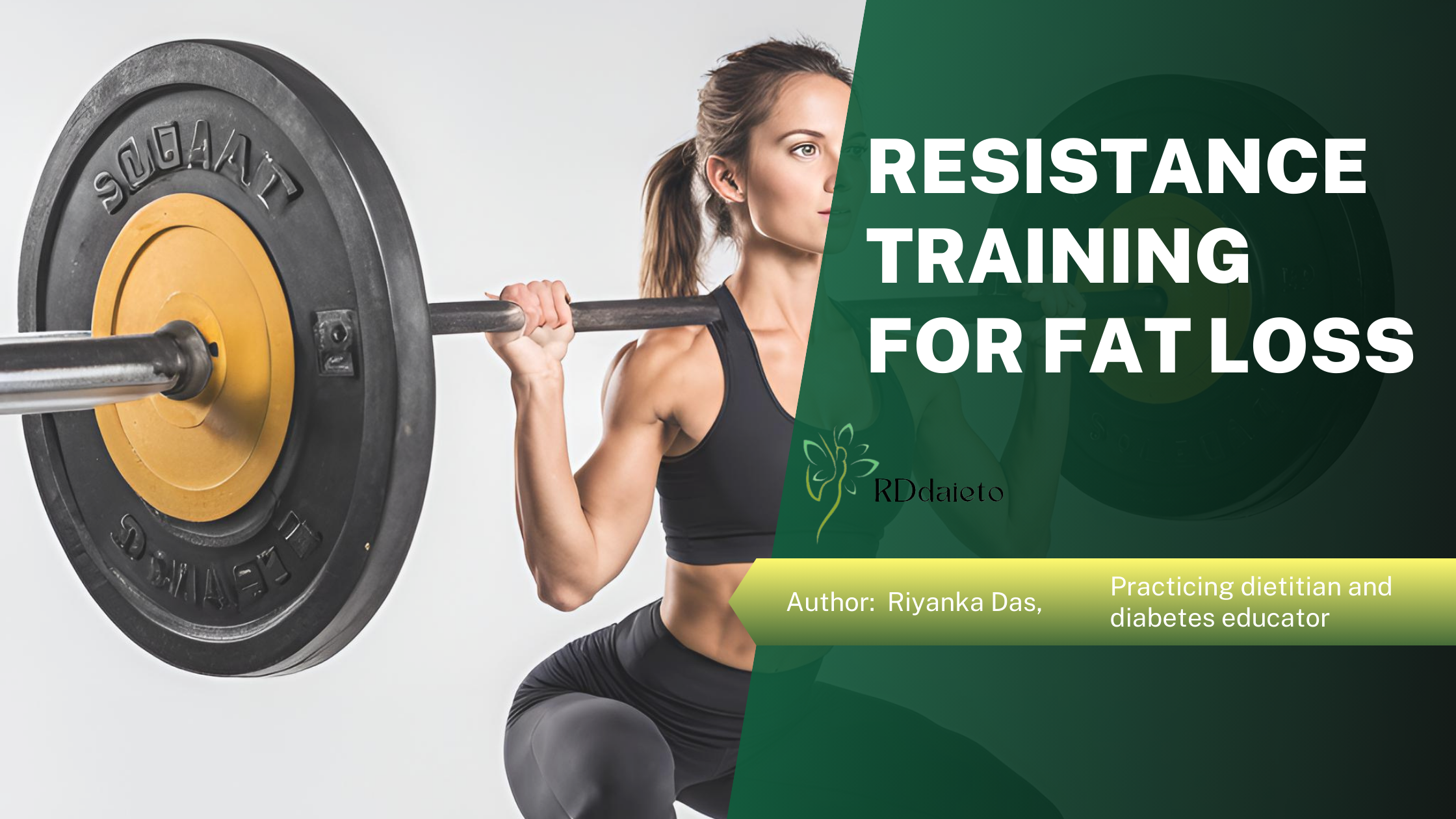
Resistance Training For Fat Loss
Fat loss is a common goal for many, and traditionally, cardio has been viewed as the primary form of exercise for burning fat.
However, resistance training, which includes weight lifting and bodyweight exercises, not just for muscle building but also highly effective approach for fat loss if done correctly.
In this blog, we will know about the science behind fat loss, myths and facts surrounding resistance training, and why it could be a best option for fat loss. This guide will also provide how resistance training can transform your body composition, metabolism and health.
The Science Behind Fat Loss
Fat loss occurs when the body is in a state of negative energy balance, meaning you body uses more calories than you consume. These energy comes from various sources like carbohydrate, proteins or fats. Here is the mechanism on how body processes fat for energy:
1. Energy Deficit
To lose fats, you have to burn more calories than you consume through the exercises and your daily activities. The fat was lose by exercise activity thermogenesis and non-exercise activity thermogenesis.
- In Exercise Activity Thermogenesis (EAT), Calories burned during intentional exercise. Resistance training stimulates muscle growth, leading to a higher calorie burn.
- In Non-exercise Activity Thermogenesis (NEAT), Calories burned through daily activities outside of structured exercise, like walking or fidgeting. The energy expenditure from resistance training, especially when combined with daily activities, can further enhance fat burning.
2. Hormonal Influence
Hormones like cortisol, insulin, leptin and insulin play critical roles in fat storage and mobilization. Regular resistance training along with a healthy diet, stress management, good sleep, proper supplementation can help balance these hormones, thus supporting fat loss.
3. Basal Metabolic Rate (BMR)
The number of calories your body burns at rest to sustain vital functions. Lean muscle mass plays a crucial role in determining BMR because energy required to digest and metabolize food, which can be higher with a protein-rich diet that supports muscle repair and growth. The more muscle you have, the more calories you burn, even at rest.
The body when turns to stored fat, which is primarily stored as triglycerides in fat cells, to meet energy demands. Triglycerides are broken down into free fatty acids and glycerol in a process called lipolysis, and these byproducts are used as fuel.
Myths and Facts About Fat Loss and Resistance Exercises
There are many misconceptions around resistance training for fat loss. Let’s clear up some of these:
Myth 1: Resistance training only build muscle and can not help in fat loss.
Fact: Besides build muscles, resistance training plays a significant role in fat loss by boosting your metabolism. The more muscle you have, the more calories you burn, even at rest, leading to fat loss over the time.
Myth 2: Cardio is the only way to burn fat.
Fact: Cardio does burn calories, but resistance training provides a two-fold benefit; immediate calorie burning during the workout and increased calorie burn post-workout time due to the Excess Post-exercise Oxygen Consumption (EPOC) or afterburn effect. This extended calorie burn can last for up to 24 hours post-workout which makes resistance training highly effective for fat loss.
Myth 3: Lifting weights makes women bulky.
Fact: This is one of the most prevalent myths. Women have lower testosterone levels than men, meaning they are less likely to gain significant muscle mass just from resistance training. Instead, lifting weights helps women achieve a toned, lean look while losing fat.
Myth 4: You can target fat loss in specific areas.
Fact: Spot reduction is a myth. Fat loss happens across the entire body, not in specific areas. Resistance training helps build muscle in targeted areas, which can give the appearance of fat loss in those regions.
How Resistance Training Helps Burn Fat
Resistance training promotes fat loss through several key mechanisms:
- Increased Lean Muscle Mass and Resting Metabolic Rate (RMR): Muscle is more metabolically active than fat, meaning the more muscle you have, the more calories you burn at rest. Resistance training stimulates muscle growth, which leads to an increase in your RMR and overall calorie expenditure. Each pound of muscle burns approximately 6-10 calories per day, while a pound of fat burns only 2-3 calories. By increasing muscle mass, resistance training boosts the number of calories you burn even while doing nothing.
- Enhanced Fat Oxidation: Resistance training improves your body’s ability to oxidize (burn) fat for energy. This means that over time, your body becomes more efficient at using fat as fuel, even during rest.
- Hormonal Impact: Resistance training triggers the release of hormones like growth hormone and testosterone, which are involved in muscle growth and fat metabolism. These hormonal changes can make your body more efficient at burning fat while preserving muscle mass.
- Increased Post-Exercise Caloric Expenditure: The EPOC effect ensures that your body continues to burn calories long after your workout ends. This extended calorie burn is more pronounced with resistance training compared to steady-state cardio.
Cardio vs. Resistance Training: Which is Better for Fat Loss
The age-old debate between cardio and resistance training for fat loss needs a nuanced perspective. Both forms of exercise have their benefits, but they work in different ways:
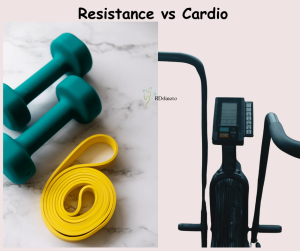
- Cardio for Fat Loss: Cardio is straightforward and can be done without equipment. It burns more calories during the session, making it effective for creating a calorie deficit. However, it has minimal impact on muscle mass, and excessive cardio without resistance training can lead to muscle loss, slowing your metabolism over time. Moreover, cardio is excellent for improving cardiovascular health, enhancing lung capacity, and lowering the risk of heart disease.
- Resistance Training for Fat Loss: While resistance training burns fewer calories during the workout compared to cardio, it has long lasting impact due to muscle growth and increased BMR. Over time, resistance training results in a more efficient long run fat-burning process and prevents the muscle loss that can accompany cardio.
Which One is Better?
The best approach for fat loss is to combine both forms of exercise. Cardio helps create an immediate calorie deficit, while resistance training preserves muscle mass and enhances long-term fat-burning potential. If you had to choose just one, resistance training may be more effective for long-term, sustainable fat loss.
Does Resistance Training Burn Fat Faster than Cardio
While a 30 minutes cardio burns more calories per session than a 30 minutes resistance training, but resistance training offers more sustainable fat loss over time due to its effect on muscle mass and metabolism. The afterburn effect (EPOC) and the preservation of lean muscle mass give resistance training an edge in long-term fat loss.
So, while cardio might offer a quicker calorie burn in the short term, resistance training delivers more comprehensive results, particularly when considering fat loss and muscle retention together.
Strategy for Fat Loss with Resistance Training
To maximize fat loss through resistance training, follow these key strategies:
- Focus on Compound Movements: Focus on compound exercises that work multiple muscle groups simultaneously. Exercises like squats, deadlifts, and bench presses work multiple muscle groups at once, increasing overall calorie expenditure and building more muscle.
- Incorporate High-Intensity Interval Training (HIIT): Resistance training circuits with minimal rest between sets can boost calorie burn during and after the workout, combining the benefits of cardio and strength training.
- Progressive Overload: Gradually increase the weight or resistance you use over time. This ensures continual muscle growth and calorie burn.
- Consistency and Diet: Consistency in your resistance training routine for at least 3-4 sessions per week. Remember, consistency is the key. Combined with a calorie-controlled diet, will ensure long-term fat loss. Eating a high-protein diet can support muscle repair and growth.
Also Read: 10 Best Exercises for Weight loss
The Bottom Line
Resistance training is a powerful tool for fat loss, not only because it burns calories but because it creates a metabolic environment where your body continues to burn fat long after your workout ends. The myths that strength training only builds bulk or that cardio is superior for fat loss are outdated. In reality, a balanced approach that includes resistance training, cardio, and proper nutrition is the most effective strategy for fat loss.
By focusing on building muscle through resistance training, you’ll benefit from a higher resting metabolism, better hormonal balance, and a healthier body composition. Whether you are a beginner or a seasoned athlete, integrating resistance training along with cardio into your fat loss journey will yield lasting results.
FAQs
1. Is resistance training good for fat loss?
Yes, resistance training is excellent for fat loss as it helps increase lean muscle mass, which boosts metabolism, and promotes long-term calorie burning through the afterburn effect (EPOC).
2. What burns more fat—cardio or resistance training?
Cardio burns more calories during the workout, but resistance training has a longer-lasting impact by increasing muscle mass and metabolism, making it more effective for long-term fat loss.
3. Is resistance band training good for fat loss?
Yes, resistance band for training can be effective for fat loss, especially for beginners. It builds muscle and burns calories without the need for heavy weights.
4. Does strength training burn fat faster than cardio?
Strength training may not burn more calories during the workout compared to cardio, but it helps burn fat more efficiently over time by increasing muscle mass and metabolism.
5. Can I lose weight by lifting weights only?
Yes, lifting weights can help you lose weight, especially if combined with a calorie deficit but well balanced diet. Weightlifting helps preserve muscle mass while promoting fat loss.
6. What are three benefits of resistance training for fat loss?
- Increased lean muscle mass and metabolic rate.
- Enhanced fat oxidation and calorie burn post-workout.
- Preservation of muscle tissue during calorie restriction.
Final Thoughts
In my opinion, along with cardio, resistance training is an effective and often superior tool for fat loss. By increasing muscle mass, boosting metabolism, and promoting fat oxidation, it helps create a long-term, sustainable fat-burning process. When combined with a balanced diet and some cardio, resistance training can help you achieve your fat loss goals while improving overall body composition and strength.
Looking for fat loss diet plan with an exercise plan? Contact RDdaieto.net for consultation.
Sources: