Plant Protein vs Animal Protein: Which Is Better for Diabetes?
Protein is an important part of a healthy diet, especially when you are managing diabetes. It helps maintain muscle mass, supports tissue repair, improves satiety and can make meals more satisfying. However, not all protein sources are nutritionally identical.
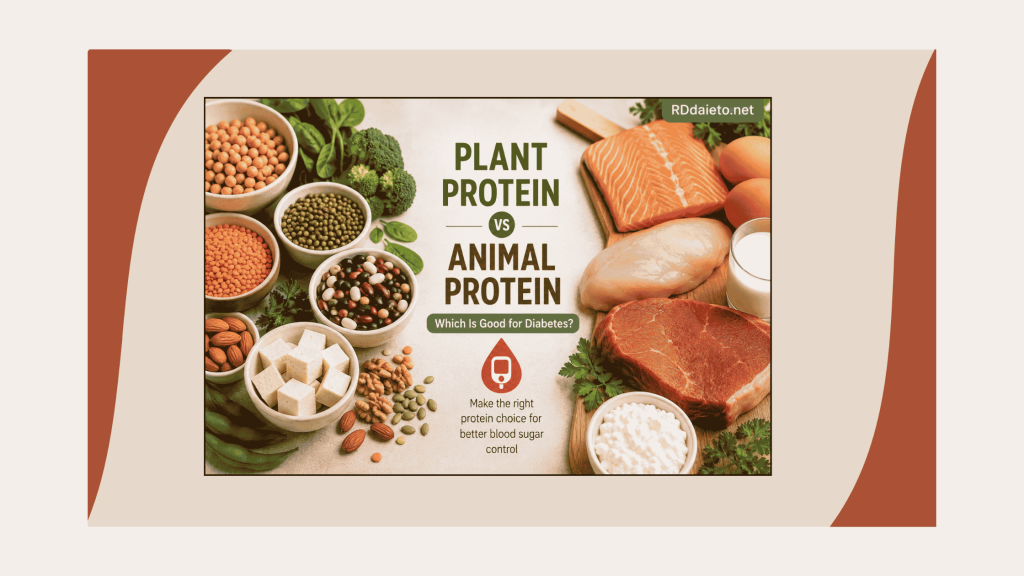
For someone with diabetes, the question is often: Should I choose plant protein or animal protein?
The answer is not as simple as completely avoiding one and choosing the other. The type of protein, the food it comes from, the amount consumed and what you eat along with it all matter.
Research suggests that replacing some animal protein with plant protein may provide modest improvements in blood glucose control and may also benefit cardiovascular health. However, well-planned animal protein sources can also be part of a diabetes-friendly diet.
So, which one is actually better for diabetes? Let’s understand the benefits and concerns of both.
What Is Plant Protein?
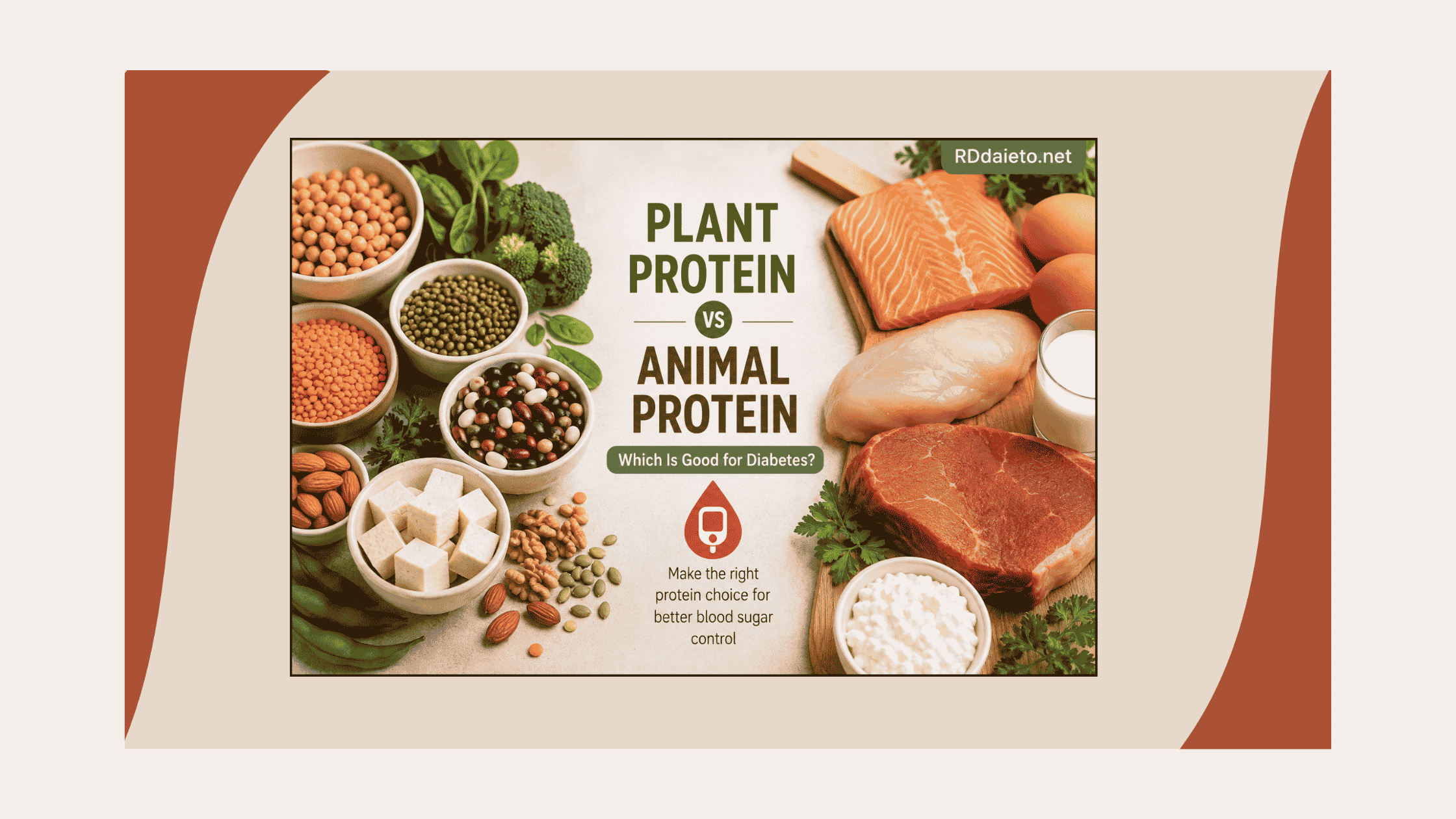
Plant protein comes from foods such as:
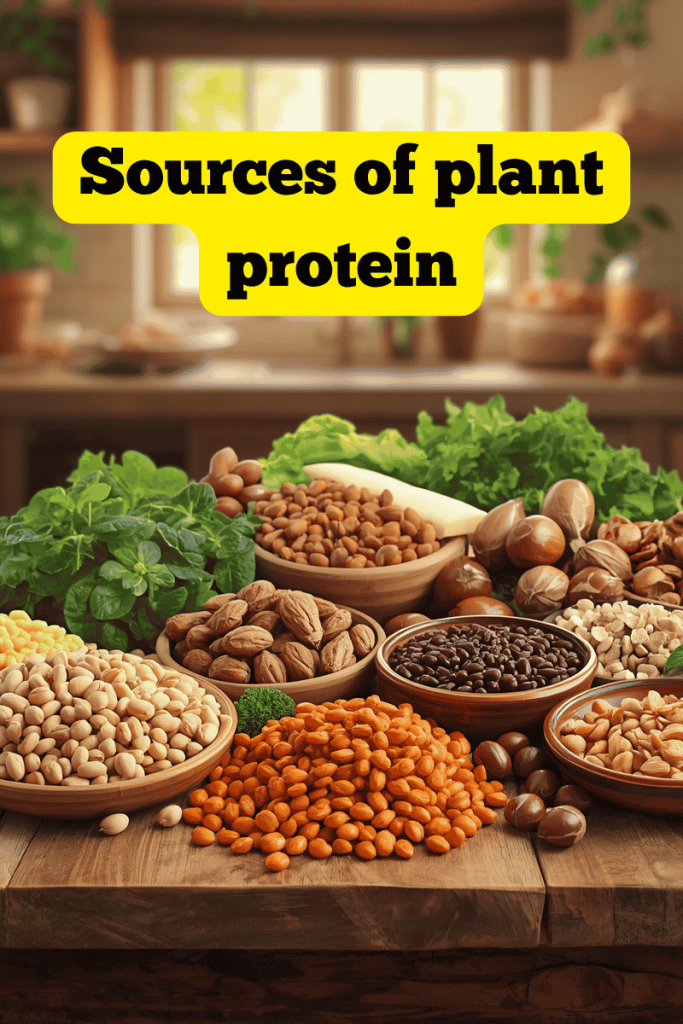
- Dal and lentils
- Chickpeas and rajma
- Soybeans and tofu
- Green peas
- Nuts and seeds
- Peanuts and peanut butter
- Beans
- Some whole grains
Many plant-based protein foods also provide fiber, vitamins, minerals and beneficial plant compounds.
This combination can be particularly useful for people with diabetes because fiber can slow digestion and help support better blood glucose management.
Benefits of Plant Protein for Diabetes
1. Higher Fiber Content
One of the biggest advantages of many plant protein sources is their fiber content.
Foods such as dal, chickpeas, rajma and other legumes contain both protein and dietary fiber. Fiber can slow the absorption of carbohydrates and increase fullness after meals.
This can make a meal more balanced compared with consuming a refined carbohydrate-heavy meal alone.
2. May Support Better Blood Sugar Control
Evidence suggests that replacing some animal protein with plant protein may have a modest beneficial effect on blood glucose.
A systematic review and meta-analysis of randomized controlled trials found that diets replacing animal protein with plant protein produced small reductions in HbA1c and fasting glucose among people with diabetes.
This does not mean that simply eating more plant protein will automatically control diabetes. The overall dietary pattern still matters.
3. Usually Lower in Saturated Fat
Many plant protein sources are naturally low in saturated fat, particularly when compared with fatty meats and processed meats.
This can be useful because people with diabetes often need to pay attention not only to blood glucose but also to cardiovascular health. The American Diabetes Association notes that higher plant protein intake and replacing animal protein with plant protein is associated with cardiovascular and overall health benefits.
4. Supports Heart Health
Diabetes increases the risk of cardiovascular disease, so a diabetes-friendly diet should consider more than blood sugar alone.
Research suggests that replacing animal protein with plant protein may help improve certain blood lipid measures, including LDL cholesterol, although the strength of evidence varies between studies.
Concerns About Plant Protein
Plant protein is healthy, but it does not mean that every plant-based food is automatically suitable for diabetes.
For example, a highly processed vegetarian burger, sweetened plant-based protein drink or carbohydrate-heavy packaged snack may not provide the same nutritional benefits as dal, tofu, beans or nuts.
Another consideration is protein quality. Some plant proteins contain lower amounts of certain essential amino acids compared with animal proteins. However, eating a varied diet containing different plant protein sources can help provide a balanced amino acid profile.
Portion size also matters. Foods such as nuts, seeds and peanut butter are nutritious but calorie-dense. Therefore, the quantity should be appropriate for the individual’s calorie and weight-management goals.
What Is Animal Protein?

Animal protein comes from foods such as:
- Eggs
- Fish
- Chicken
- Milk and curd
- Paneer
- Lean meat
- Seafood
Animal proteins generally provide all nine essential amino acids like Histidine, Isoleucine, Leucine, Lysine, Methionine, Phenylalanine, Threonine, Tryptophan, and Valine and are considered complete proteins. They can therefore be useful for maintaining muscle mass, particularly in older adults or people who have increased protein requirements.
Benefits of Animal Protein for Diabetes
1. High-Quality Protein
Eggs, fish, chicken, dairy and other animal foods can provide high-quality protein in relatively concentrated amounts.
This can be particularly helpful when someone needs adequate protein while controlling total carbohydrate intake.
2. Important Nutrients
Animal foods can provide nutrients such as vitamin B12, iron, zinc and calcium, depending on the food.
For example, fish provides protein along with nutrients such as omega-3 fatty acids, while dairy products can contribute protein and calcium.
3. Can Help With Muscle Maintenance
Maintaining muscle mass is important for metabolic health. Adequate protein intake, combined with appropriate physical activity, can support muscle maintenance.
This is especially relevant for people with diabetes who are trying to lose weight without losing excessive amounts of lean muscle.
Concerns About Animal Protein
The main concern is not animal protein itself, but which animal foods are being consumed and how frequently.
Regular consumption of processed meats such as sausages, salami, bacon and other highly processed meat products is not a good strategy for diabetes management.
Fatty cuts of meat can also provide substantial amounts of saturated fat and calories. For people with diabetes who also have high cholesterol, cardiovascular disease or weight-management goals, the choice of animal protein becomes particularly important.
Therefore, instead of thinking that “animal protein is bad,” it is more useful to distinguish between healthier and less healthy sources.
Fish, eggs, skinless chicken, unsweetened curd and appropriate portions of other minimally processed animal foods can fit into a balanced diabetes diet.
So, Which Is Better for Diabetes?
If we have to choose one overall direction, a diabetes-friendly diet should generally give greater emphasis to minimally processed plant protein while including appropriate amounts of healthy animal protein when desired and suitable.
The evidence does not suggest that everyone with diabetes needs to become vegetarian.
Instead, replacing some animal protein with plant protein may offer advantages for blood glucose control and cardiovascular health. The American Diabetes Association also highlights the potential benefits of higher plant protein intake and replacing animal protein with plant protein.
A practical approach could include:
Plant protein: dal, chickpeas, rajma, soy, tofu, peas, nuts and seeds.
Animal protein: fish, eggs, chicken, curd and other minimally processed options.
The most important point is that protein should not be considered in isolation. A meal containing protein, vegetables, appropriate portions of carbohydrates, healthy fats and adequate fiber is generally more useful for diabetes management than simply increasing protein intake.
For example, replacing white rice with an extremely large portion of meat is not necessarily a healthy diabetes strategy. Similarly, eating a large bowl of dal along with excessive rice may still result in a high carbohydrate intake.
The quality and balance of the entire meal matter.
Can You Eat Both Plant and Animal Protein With Diabetes?
Yes.
You do not need to choose exclusively between plant and animal protein unless you have a specific dietary preference or medical reason.
For example, a diabetes-friendly meal could contain:
Grilled fish + non-starchy vegetables + a controlled portion of whole grains
or
Dal + vegetables + a controlled portion of brown rice or roti
or
Tofu + mixed vegetables + a suitable carbohydrate source
The goal is to create a balanced meal rather than simply maximizing protein.
Final Takeaway
There is no universal rule that says plant protein is always good and animal protein is always bad.
However, for people with diabetes, plant protein has an important advantage because it often comes with fiber and is generally lower in saturated fat. Current evidence suggests that replacing some animal protein with plant protein can modestly improve glycemic control and may offer cardiovascular benefits.
At the same time, quality animal protein sources such as fish, eggs, chicken and unsweetened dairy can be valuable parts of a balanced diet.
The best approach is therefore not “plant versus animal.” It is choosing the right protein sources, in the right portions, according to your health condition, lifestyle, food preferences and overall diet.
Looking for a Personalized Diabetes Diet Plan?
Managing diabetes does not mean eating the same boring meals every day or completely eliminating your favorite foods. A well-planned diet should fit your medical history, lifestyle, food preferences and health goals.
At RD Daieto, personalized diet plans are created according to your health goals, medical history, preferences and lifestyle. The service also includes exercise guidance, healthy recipes and resources, along with ongoing chat support.
If you are struggling with blood sugar control, weight management or simply don’t know how to build a balanced diabetes-friendly Indian diet, personalized nutrition guidance can help you make practical changes that are easier to follow in everyday life.
Take the first step toward better diabetes management with RD Daieto and get a personalized diet and lifestyle plan designed around you—not a generic diet chart.
Frequently Asked Questions (FAQs)
1. Is plant protein better than animal protein for people with diabetes?
Plant protein can be an excellent choice for people with diabetes, particularly foods such as beans, lentils, chickpeas, tofu, tempeh, nuts and seeds. Many plant-based protein foods also provide fiber, which can support better blood glucose management. However, healthy animal proteins such as fish, skinless chicken, eggs and low-fat dairy can also be included in a diabetes-friendly diet. The best approach is usually to include a variety of quality protein sources rather than completely eliminating one category.
2. Do beans and lentils raise blood sugar because they contain carbohydrates?
Yes, beans, lentils and other legumes contain carbohydrates, but they also provide protein and fiber. Their carbohydrate content does not mean that people with diabetes need to avoid them. Portion size and the overall meal composition are important. Pairing legumes with non-starchy vegetables and an appropriate portion of other carbohydrate foods can help create a balanced meal. The American Diabetes Association specifically recognizes beans, lentils and other legumes as nutritious plant-based protein choices for people with diabetes.
3. Can I eat chicken, eggs and fish if I have diabetes?
Yes. Chicken, eggs and fish can all be part of a healthy diabetes meal plan. Fish, particularly fatty fish such as salmon, sardines and trout, provides protein and omega-3 fats. When choosing poultry, skinless options are generally preferable because they contain less saturated fat. It is also advisable to limit processed meats and choose leaner cuts of red meat when consuming them.
4. Do I need protein powder if I have diabetes?
Not necessarily. Most people can meet their protein requirements through regular foods such as fish, eggs, chicken, dairy, tofu, beans, lentils, nuts and seeds. Protein powder may be useful in certain situations, such as when someone has difficulty meeting their protein needs through food, but the specific product matters. Some protein powders and ready-to-drink shakes can contain added sugars or significant amounts of carbohydrates. Always check the Nutrition Facts label and consider your overall carbohydrate and calorie intake before adding a protein supplement to your routine.