How Omega-3 Fatty Acids Are Good for Heart Health
Heart disease remains one of the leading causes of death worldwide, yet many cases are preventable through simple lifestyle and dietary changes. Among all nutrients studied for cardiovascular protection, omega-3 fatty acids consistently stand out as some of the most powerful and evidence-based nutrients for maintaining heart health.
From lowering triglycerides and reducing inflammation to supporting healthy blood pressure and heart rhythm, omega-3 fatty acids play a critical role in protecting your heart—naturally. This article explores how omega-3 works, why deficiency is common, the best food sources, and why personalized guidance from a dietitian matters for long-term heart health.
What Are Omega-3 Fatty Acids?
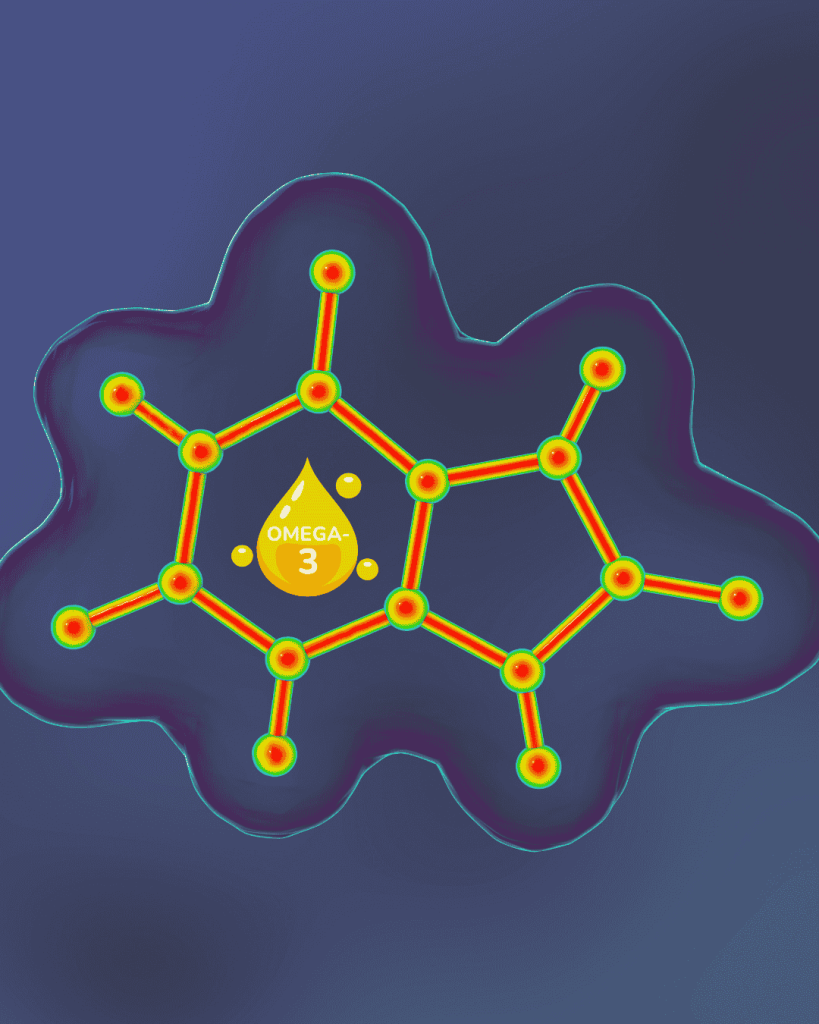
Omega-3 fatty acids are essential polyunsaturated fats, meaning your body cannot produce them on its own. They must be obtained through diet or supplementation. Unlike saturated and trans fats that increase heart disease risk, omega-3 fats are cardio-protective and anti-inflammatory.
Types of Omega-3 Fatty Acids
There are three main types of omega-3 fatty acids, each with unique roles:
1. EPA (Eicosapentaenoic Acid)
- Found primarily in fatty fish
- Helps reduce inflammation
- Lowers triglyceride levels
- Supports healthy blood vessel function
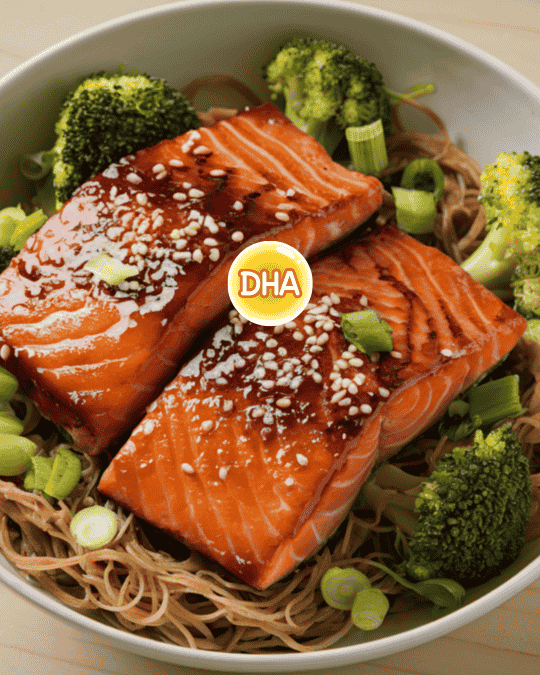
2. DHA (Docosahexaenoic Acid)
- Critical for heart rhythm regulation
- Supports structural integrity of heart cell membranes
- Plays a role in reducing plaque buildup in arteries
3. ALA (Alpha-Linolenic Acid)
- Found in plant foods like flaxseeds and walnuts
- Must be converted into EPA and DHA (conversion rate is low)
- Still contributes to overall heart protection
Why Omega-3 Fatty Acids Are Essential for Heart Health?
1. Reduce Triglyceride Levels
High triglycerides are a major risk factor for cardiovascular disease. Omega-3 fatty acids—especially EPA and DHA—can reduce triglyceride levels by 20–30%, lowering strain on the heart and blood vessels.
2. Improve Cholesterol Profile
Omega-3s help:
- Increase HDL (good cholesterol)
- Improve LDL particle size (making it less harmful)
- Reduce total cholesterol imbalance
This leads to a healthier lipid profile and reduced cardiovascular risk.
3. Lower Blood Pressure Naturally
Regular intake of omega-3 fatty acids has been shown to modestly lower both systolic and diastolic blood pressure, particularly in individuals with hypertension. This reduces stress on the heart and arteries.
4. Reduce Inflammation in Arteries
Chronic inflammation damages blood vessels and accelerates plaque formation. Omega-3 fatty acids produce anti-inflammatory compounds that:
- Protect arterial walls
- Improve blood flow
- Reduce oxidative stress
5. Prevent Atherosclerosis (Plaque Buildup)
Omega-3s slow down the formation of fatty plaques in arteries by:
- Reducing LDL oxidation
- Improving endothelial function
- Preventing arterial stiffness
This significantly lowers the risk of heart attack and stroke.
6. Support Healthy Heart Rhythm
Omega-3 fatty acids stabilize electrical signals in the heart, helping prevent irregular heartbeats (arrhythmias) that can lead to sudden cardiac events.
Omega-3 Deficiency and Its Impact on Heart Health
Why Omega-3 Deficiency Is Common Today
Modern diets are heavily skewed toward omega-6 fatty acids due to:
- Excess refined vegetable oils
- Processed and packaged foods
- Low intake of fatty fish and seeds
This imbalance increases inflammation and heart disease risk.
Signs of Omega-3 Deficiency
- High triglyceride levels
- Dry skin and fatigue
- Poor circulation
- Joint pain and inflammation
- Increased cardiovascular risk
Best Omega-3 Rich Foods for Heart Health
| Food Source | Type of omega-3 | Recommendation Intake (g/day) |
| Salmon | EPA & DHA | 0.59-1.24 |
| Sardin | EPA & DHA | 0.45-0.75 |
| Mackerel | EPA & DHA | 0.43-0.59 |
| Flax seeds | ALA | 7.26 |
| Chia seeds | ALA | 5.06 |
| Walnut | ALA | 2.57 |
| Canola oil, 1 tsp | DHA | 1.28 |
Plant-Based Omega-3 Options
Vegetarians and vegans can meet omega-3 needs through:
- Ground flaxseeds
- Chia seeds
- Walnuts
- Algal oil supplements (best DHA source) (200-500 mg)
- Canola oil
Importance of Omega-3 Supplements
When Supplements May Help?
- Individuals with high triglycerides
- People who don’t consume fish
- Those with diagnosed heart disease
- Post-heart attack recovery
Why Supplements Should Be Dietitian-Guided?
Excess omega-3 intake can:
- Increase bleeding risk
- Interact with medications
- Cause digestive discomfort
A dietitian ensures correct dosage, quality, and safety based on your health condition.
Omega-3 for Specific Heart Conditions
1. Omega-3 for High Cholesterol
Helps lower triglycerides and improve lipid balance when combined with a heart-healthy diet.
2. Omega-3 for High Blood Pressure
Supports blood vessel relaxation and improves circulation.
3. Omega-3 for Diabetes and Heart Health
Reduces inflammation and improves insulin sensitivity, lowering cardiovascular complications.
4. Omega-3 for Weight Management
Supports fat metabolism for weight management, reduces inflammation, and helps control cravings—important for heart protection.
Common Myths About Omega-3 and Heart Health
Myth 1: All Fats Are Bad for the Heart
Truth: Healthy fats like omega-3 are essential for heart protection.
Myth 2: Vegetarians Can’t Get Omega-3
Truth: Plant sources and algal oil provide effective options.
Myth 3: More Supplements Mean Better Results
Truth: Overuse can be harmful. Balance matters.
Why You Need a Dietitian for Good Heart Health
Heart health isn’t just about adding omega-3—it’s about overall fat balance, lifestyle, and medical history. A qualified dietitian can:
- Design personalized omega-3-rich meal plans
- Balance omega-3 to omega-6 ratios
- Manage cholesterol, blood pressure, and weight together
- Provide sustainable, long-term heart protection
Self-planning often leads to mistakes, misinformation, and inconsistent results.
The Final Words
Your heart works tirelessly for you—now it’s time to protect it with science-backed nutrition. Omega-3 fatty acids are a powerful tool, but personalized guidance makes all the difference.
Book a 1-on-1 heart health diet consultation with a qualified dietitian from RD daieto
Get a customized plan to:
- Improve cholesterol and triglycerides
- Reduce heart disease risk naturally
- Build a sustainable, heart-friendly lifestyle
Prevention today is far more powerful than treatment tomorrow.