Top 20 Iron-Rich Vegetarian Foods for Women: Prevent Anemia Naturally
Anemia — especially iron-deficiency anemia — is a highly prevalent nutritional concern among women, particularly in India and other regions where vegetarian diets are common and menstrual iron losses contribute to deficits. According to various health reports, a significant percentage of women of reproductive age suffer from low iron levels, leading to fatigue, weakness, pale complexion, and impaired immunity.
This blog is your complete, science-based guide to:
- The science of iron and hemoglobin
- How vegetarian foods boost iron naturally
- Practical dietary strategies to enhance iron absorption
- Menu ideas and tips for women
Let’s begin by understanding why iron matters so much — especially for women.
Why Iron Is Essential — Especially for Women
Iron is a critical micronutrient that plays a central role in:
- Hemoglobin production — the protein in red blood cells that carries oxygen
- Cellular energy metabolism
- Immune function and cognitive health
Without adequate iron, your body simply cannot produce enough hemoglobin. The result? Iron-deficiency anemia — a condition marked by low hemoglobin and reduced oxygen transport to tissues. Women between puberty and menopause are especially vulnerable due to monthly menstrual blood loss, increased needs during pregnancy, and often lower dietary iron intake — especially in vegetarian diets.
Types of Iron
There are two forms of dietary iron:
- Heme Iron (animal sources) — more bioavailable and easily absorbed
- Non-heme Iron (plant sources) — less bioavailable, but still significant if properly combined with absorption enhancers like vitamin C
In vegetarian diets, we rely primarily on non-heme iron sources, which still offer excellent benefits when combined with smart nutrition strategies.
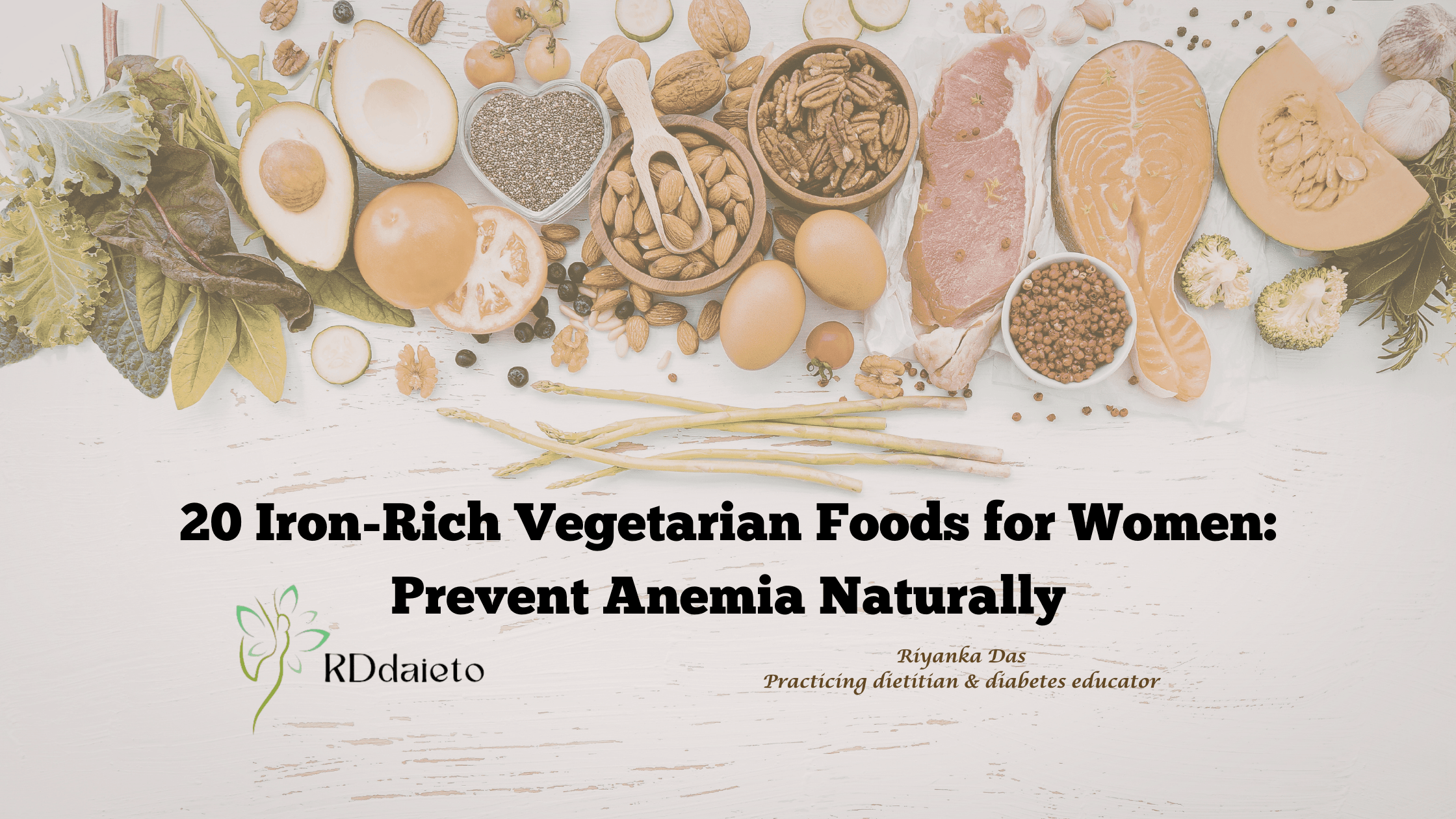
Top 20 Iron-Rich Vegetarian Foods for Women
Here’s a scientifically curated list of vegetarian foods rich in iron — ideal for boosting hemoglobin naturally.
Leafy Green Vegetables (1-4)
Leafy greens are nutritional powerhouses and excellent iron sources:
- Spinach (Palak) (2.7mg) — rich in iron and vitamin C; better absorbed when paired with lemons or tomatoes.
- Moringa (Drumstick) (24 mg) — Moringa is a particularly nutrient-dense and a traditional Indian staple, delivering significant iron plus antioxidants and vitamin C.
- Amaranth (Chaulai) (7.6 mg) – When cooked, the iron content is reduced to roughly 2.1 mg – 2.3 mg per 100g due to water absorption.
- Mustard Greens (Sarson) (9.2mg) — popular Indian greens with good iron content.
These vegetables can be added to dals, parathas, stir-fries, curries, and soups — ensuring you get iron along with fibre and other micronutrients.
👉 Tip: Pair greens with vitamin C sources (lemon, bell peppers) to enhance absorption.
Legumes, Beans, and Pulses (5-8)
Legumes are among the most reliable plant-based iron sources:
- Lentils (Dal): 3–6 mg per cooked portion
- Chickpeas (Chana) : 4–7 mg
- Kidney Beans (Rajma)(2.9-3.6 mg) : Significant source
- Sprouts (0.9- 3.3mg): Common mung bean sprouts provide approximately 0.9–1.4 mg of iron, while higher-iron varieties like lentil sprouts can provide up to 3.3
Legumes also bring protein and fibre, making meals balanced and satisfying. Soaking, sprouting, or fermenting them (like dosa or idli batter) can improve iron bioavailability by reducing anti-nutrients like phytic acid.
Seeds & Nuts (9-12)
Seeds and nuts not only contribute iron but also offer healthy fats:
- Sesame seeds (Til) (14.6mg)— one of the richest plant iron sources.
- Pumpkin seeds (8.7 mg) — boost iron when sprinkled on meals or eaten as snacks.
- Hemp seeds (7-8 mg)- An excellent source of iron, along with high levels of magnesium, zinc, and protein.
- Cashews & Almonds (5.95 & 6.7 mg) — moderate iron plus healthy fats and protein.
💡 Tip: Ground seeds into chutneys or laddoos for traditional Indian flavours and iron boosts.
Also Read : 11-top-iron-rich-foods-for-managing-diabetes
Whole Grains & Millets (13-14)
Whole grains provide iron along with fibre, B-vitamins, and sustained energy:
- Oats (4.3-4.7mg) — versatile and nutritious iron sources.
- Pearl Millet (Bajra) (16.9 mg) — For maximum benefit, it is often recommended to combine pearl millet with Vitamin C-rich foods to enhance iron absorption.
These can replace refined grains in meals to improve both iron intake and overall nutrition.
Fortified Foods (15-16)
Certain foods are fortified with iron during processing, making them excellent for vegetarians:
- Iron-fortified breakfast cereals can deliver up to 100% of daily needs.
- Fortified breads and plant-based milks also offer supplemental iron.
Fortified options can be especially useful for busy women or those with higher iron needs.
Traditional & Natural Sources (17-20)
- Jaggery (Gur) (10-13 mg) — an age-old remedy for low hemoglobin, rich in iron.
- Dates (Khajur) (0.9-2.6 mg) & Raisins (Kishmish) (1.9 mg) — portable snacks that contribute iron and fibre.
- Beetroot (0.8mg)— known for blood-building nutrients and support for circulation.
How Iron Absorption Works — Beating the Bioavailability Challenge
Non-heme iron — the kind found in plant foods — isn’t absorbed as efficiently as heme iron from animal sources. But you can improve its uptake significantly through dietary strategies:
1. Pair Iron with Vitamin C
Vitamin C enhances non-heme iron absorption by converting it into a more absorbable form in the gut. Common pairings include:
- Lemon with spinach
- Tomato chutney with dal
- Citrus salads with legumes
Foods rich in vitamin C include oranges, guavas, bell peppers, and amla.
2. Avoid Iron Inhibitors Around Meals
Certain foods and drinks can block iron absorption if consumed with iron-rich meals:
- Tea and coffee (tannins)
- Calcium-rich foods during iron meals
- Certain polyphenols in tea
If you enjoy tea or coffee, have them at least an hour before or after iron-rich food.
3. Cooking Techniques to Boost Availability
- Soaking and sprouting legumes increases iron uptake.
- Light sauteing of greens can reduce compounds that inhibit absorption.
Iron-Rich Meal Ideas for Busy Women
Here’s how you can craft delicious, iron-focused meals:
Breakfast
- Chickpea curry with roti: Soak the chana overnight. Cook it with onions, tomatoes, ginger, and your usual masalas. When the chana softens, it takes on the spices beautifully. It tastes even better the next day, so don’t worry if you make extra. Have it with roti or rice.
- Spinach & methi paratha with dahi: Spinach (palak) and methi (fenugreek) paratha is a healthy, flavorful Indian flatbread made by mixing finely chopped greens, whole wheat flour, yogurt, and spices (ginger-garlic paste, green chili, turmeric) into a soft dough. It is rolled into circles and cooked on a hot tawa with ghee or oil until golden.
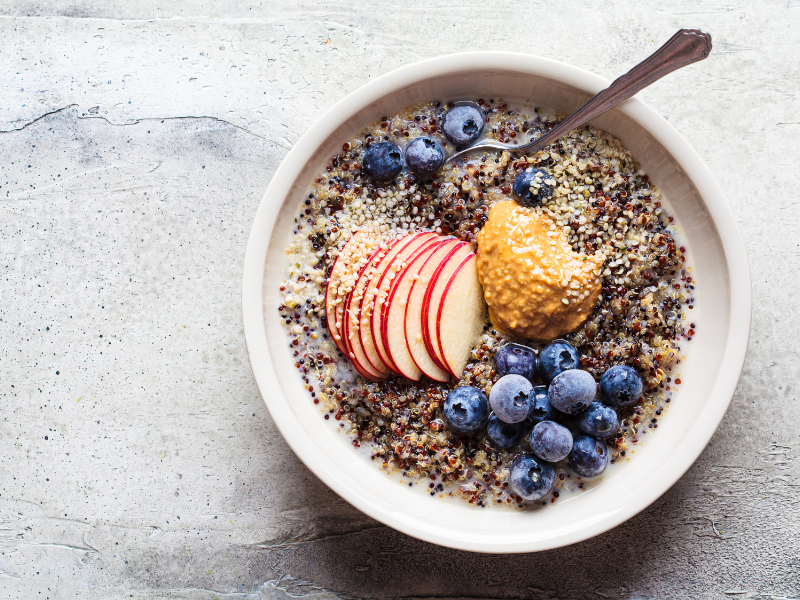
- Quinoa porridge with berries: This creamy, nutrient-dense quinoa porridge is made by simmering 1/2 cup rinsed quinoa with 1 cup water and 1 cup milk (coconut, almond, or dairy), vanilla, and cinnamon for 15-20 minutes until tender. Serve warm topped with berries, nuts, and a sweetener like honey.
Lunch
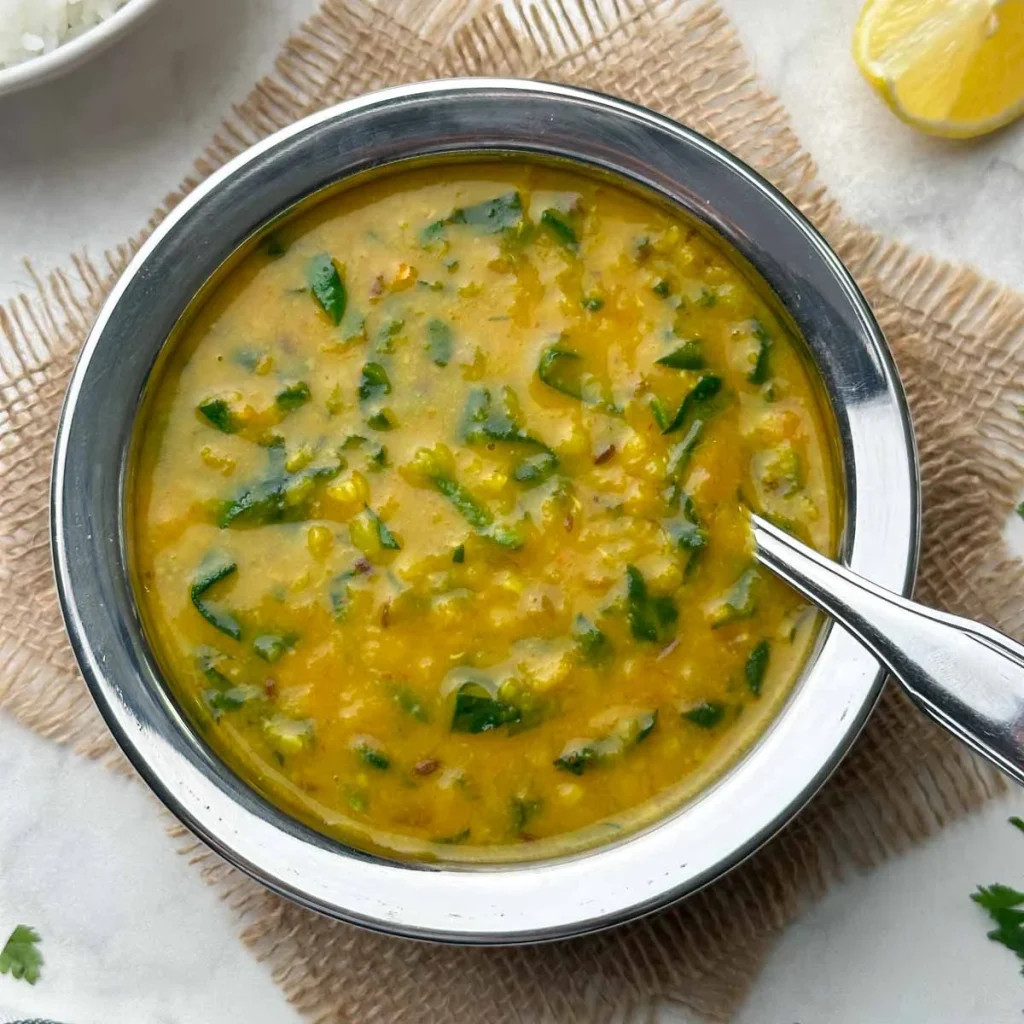
- Dal Palak: Dal Palak (Spinach Dal) is a nutritious, 30-minute dish made by cooking lentils (tur or moong) with turmeric, then simmering with fresh spinach, garlic, ginger, and cumin-based tempering (tadka). A final squeeze of fresh lemon juice is added off-heat for brightness. Serve hot with rice or roti.
- Bajra dosa with mint chutney: Mix bajra flour with curd, a bit of rice flour, and water. Let it rest. Pour it on a hot tawa like a regular dosa. The edges crisp up fast and the center stays soft. Pair it with mint chutney. Mint has iron too, and the freshness makes the dosa feel lighter. You can pack this for lunch without worrying about it turning soggy.
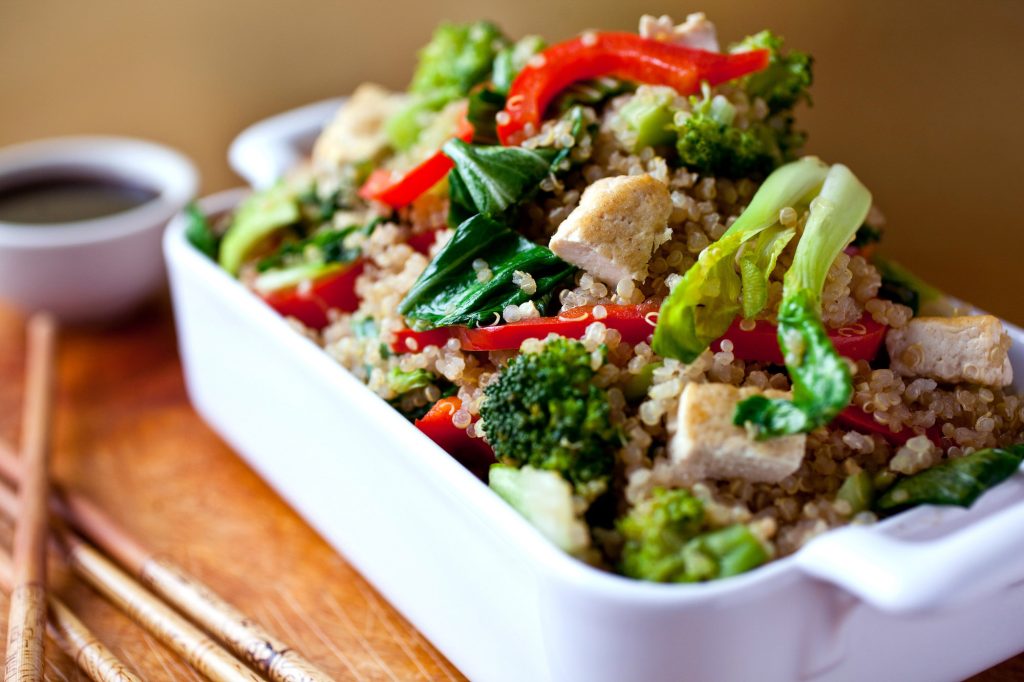
- Stir-fried tofu & greens with quinoa: This quick 20-minute, high-protein vegan dish features crispy pressed tofu and vibrant greens (like broccoli) wok-fried with cooked quinoa, garlic, ginger, and soy sauce. It is a nutritious, gluten-free, and customizable meal, perfect for healthy lunch or dinners.
Snacks & Sides
- Roasted pumpkin seeds & sesame seed mix
- Dates & jaggery laddoos for natural energy.
- Beetroot salad with lemon juice.
Life Stage Focus: Why Women Need More Iron
👩🦱 Reproductive Age and Menstruation
Weekly iron losses during menstruation make hemoglobin maintenance a priority for women of reproductive age. Adequate iron supports energy, mood, and menstrual health.
🤰 Pregnancy & Lactation
During pregnancy, iron requirements rise dramatically to support maternal blood volume increase and fetal development. Iron-rich vegetarian foods — paired with vitamin C — become even more critical.
🧓 Later Life
Post-menopause women require less iron, but maintaining adequate levels still supports energy, immunity, and metabolic health.
Tracking Progress: When to Seek Help
Diet alone can often improve iron levels, but in cases of moderate to severe anemia, dietary changes should be discussed with a healthcare provider. Blood tests like serum ferritin and hemoglobin are the gold standard for diagnosis.
If symptoms like persistent fatigue, dizziness, shortness of breath, or paleness persist, consult a clinician. Supplements may be necessary when diet alone isn’t enough.
Final Words — Empowered Eating for Iron-Rich Health
For vegetarian women — especially in communities where anemia is common — focusing on iron-rich foods is an effective and natural approach to prevent nutrient deficiency. By combining nutrient-dense foods like legumes, greens, seeds, and fortified options, along with smart absorption strategies, you can boost iron and hemoglobin naturally — food first, always.
Iron-rich eating isn’t complicated. It’s about food variety, smart pairings, and consistency — all approachable even in a busy lifestyle.
Let food be your first line of defense against anemia. Nourish your blood, strengthen your body, and enjoy vibrant health — one iron-rich meal at a time.