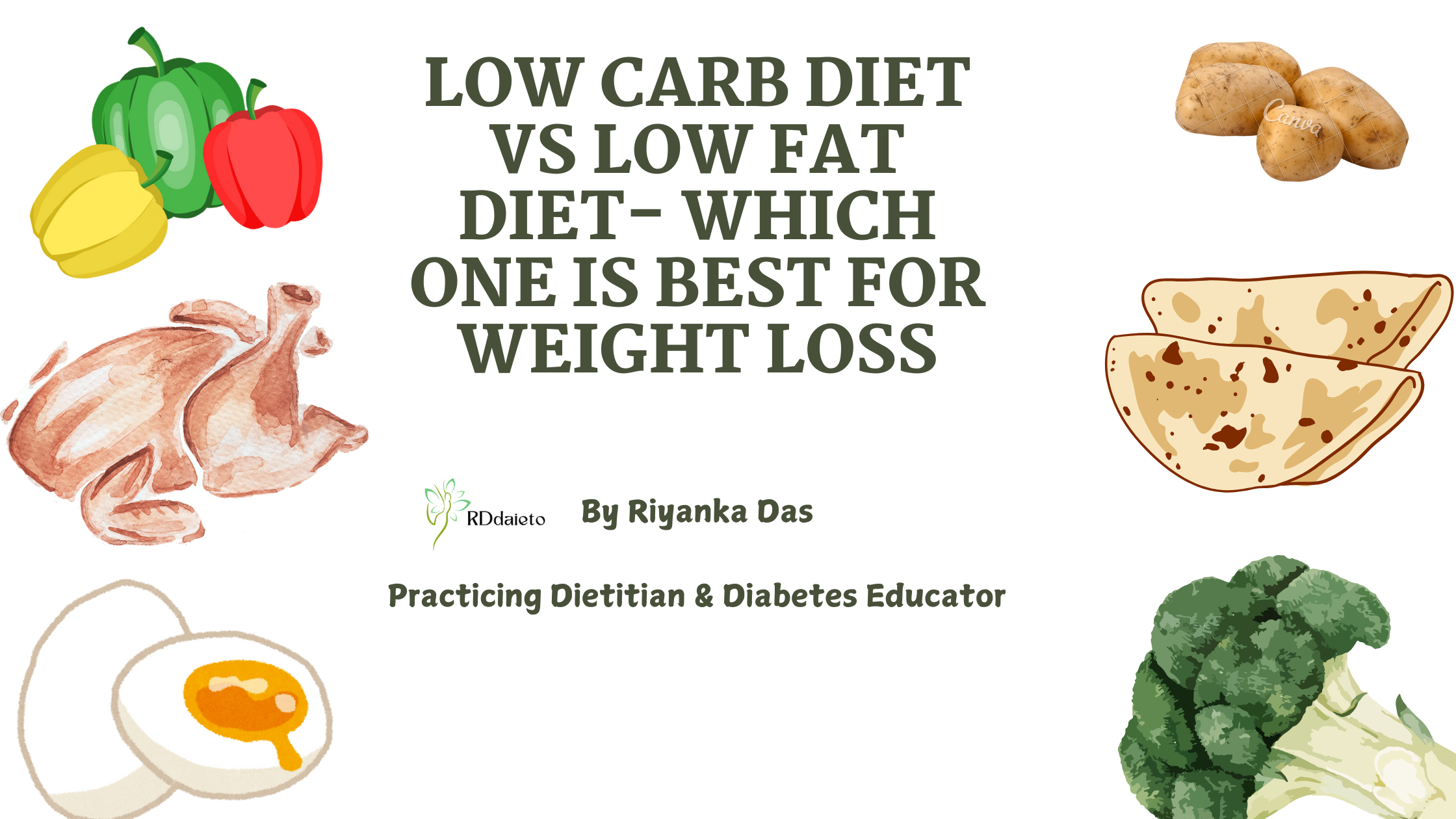
Low Carb Diet Vs Low Fat Diet- Which One is Best for Weight Loss
Nowadays, weight loss is a very common goal among most of us. From the internet, we know 2 most widely debated diets for weight loss: low- carb diet and low- fat diet. Each diet affects metabolism, appetite, and energy expenditure in unique ways. In this blog, we are trying to find this answer. Below, we dive into the science and practical considerations of each approach to help determine which might be best suited for effective weight loss.
What is Low- Carb Diet ?
A low-carb diet focuses on low carbohydrate intake. Like in a 2000 calorie diet, the carbohydrate often to levels lower than 130 grams per day, which is less than 45% of daily caloric intake. More restrictive forms, such as the ketogenic diet, limit carbs to under 10% of daily calories (about 20–50 grams per day). In a low-carb diet, fats and proteins primarily replace the reduced carbohydrates, aiming to stabilize insulin levels and encourage the body to burn fat for energy (a process known as ketosis in very low-carb diets).
Types of low-carb diets include:
- Ketogenic Diet: Extremely low in carbs, moderate in protein, and high in fat. Promotes ketosis, a state where the body burns fat for fuel.
- Atkins Diet or Very Low- Carb Diet: Phased low-carb diet that starts with very low carb intake, gradually increasing as weight loss progresses.
- Paleo Diet: Focuses on whole foods, with limited carbs from sources like fruits and vegetables.
- Dukan diet: The diet restricts carbs while being high in protein and low in fat. It’s divided into four phases to help you reach your weight loss goals.
- Low-Carb, High-Fat (LCHF) Diet: Moderate approach that limits carbs and encourages healthy fats without strict ketosis.
Low-carb diets can lead to rapid weight loss, particularly in the initial phases, due to high protein and fat content that reduced the calorie and insulin levels, which lower water retention and potentially increase fat oxidation.
Foods Can You Eat on a Low Carb Diet
Here are some of the foods to eat on a low carb diet:
- Meat: Mutton, beef, lamb, pork, chicken
- Fish: Salmon, trout, haddock, tuna or any local water fish
- Eggs: Whole eggs, egg whites, egg yolks
- Non-starchy vegetables: Spinach, broccoli, cauliflower, carrots, asparagus, tomatoes
- Lower carb fruits: Oranges, blueberries, strawberries, kiwi, blackberries
- Nuts and seeds: Peanuts, almonds, walnuts, sunflower seeds, chia seeds, pistachios
- High-fat dairy: Cheese, butter, heavy cream, Greek yogurt
- Fats and oils: Avocados, avocado oil, olive oil, coconut oil, almond oil
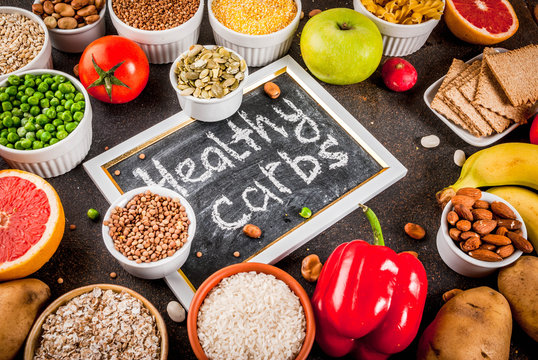
Foods to Include in Moderation
Unless you’re following a very low carb or keto diet, you may also want to include small amounts of these foods:
- Starchy vegetables: potatoes, sweet potatoes, yams, peas, corn
- Higher-carb fruits: bananas, pineapples, mango, and many others
- Whole grains: brown rice, oats, quinoa
- Legumes: lentils, black beans, pinto beans, chickpeas
- Higher-carb dairy: Full- fat milk, panner and yogurt
Foods avoid eating on a low carb diet
Depending on your daily carb allowance, you might need to limit or avoid the following foods:
- Sweet snacks: candy, ice cream, baked goods, other products that contain added sugar
- Refined grains: white rice, white pasta, tortillas, crackers
- Diet and low fat products: including dairy products, cereals, or crackers that are low in fat but contain added sugar
- Highly processed foods: convenience meals, fast food, cookies, chips, pretzels
- Sugar-sweetened beverages: soda, sweet tea, sports drinks, energy drinks
Be sure to check the ingredient labels of foods to find options that fit into your diet.
What Is a Low-Fat Diet ?
A low-fat diet reduces the intake of dietary fats, typically allowing less than 30% of daily calories from fat, while emphasizing carbohydrates and proteins. Usually, low-fat diets have been used for heart health, severe liver and kidney diseases and weight management, as they reduce saturated fat intake and overall calorie density.
Low-fat diets are divided into:
- Traditional Low-Fat Diet: Limits all fats, particularly saturated fats, encouraging lean proteins, whole grains, and fruits and vegetables.
- Very Low-Fat Diet: Contains as little as 10–15% of calories from fat, often for therapeutic purposes in individuals with cardiovascular, renal or metabolic diseases.
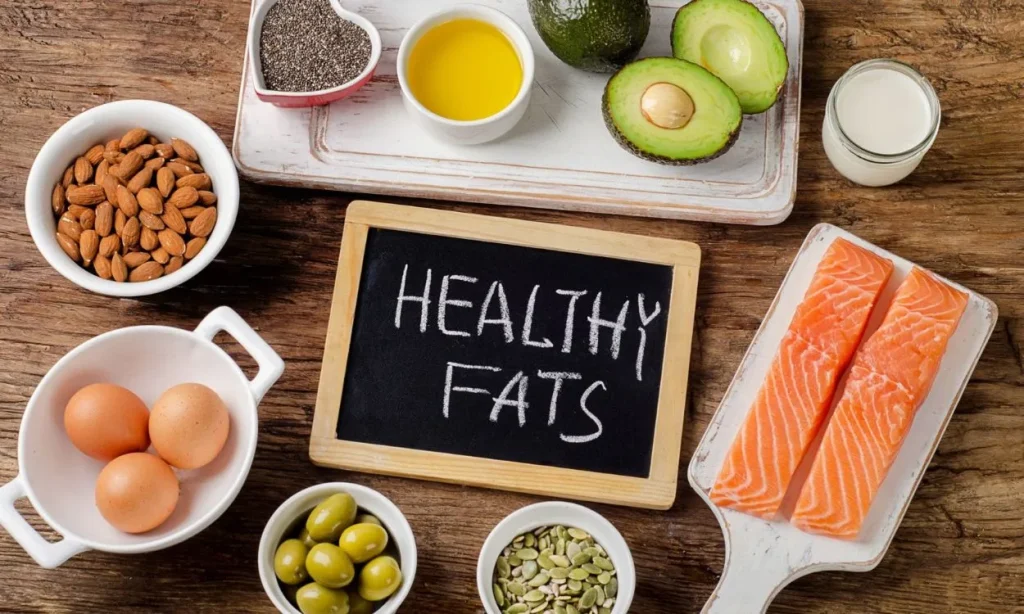
Foods Can You Eat on a Low- Fat Diet
- Whole grains: Rice, oats, quinoa, wheat, corn flex
- Legumes: lentils, black beans, pinto beans, chickpeas
- Fruits: bananas, pineapples, mango, lychee, jackfruit, oranges, papaya, pineapple, apple
- Eggs: Egg White
- Fish: Salmon, trout, haddock, tuna or any local water fish
- Nuts and seeds: Peanuts, almonds, walnuts, sunflower seeds, chia seeds, pistachios (moderate amount)
- Low fat Milk: Low fat milk and mild products, like, paneer, yogurt etc.
- Starchy vegetables: potatoes, sweet potatoes, yams, peas, corn
- Non-starchy vegetables: Spinach, broccoli, cauliflower, carrots, asparagus, tomatoes
- Meat: Lean meat like chicken
- Diet and low fat products: including dairy products, cereals, or crackers that are low in fat but contain added sugar
Foods Avoid Eating on a Low- Fat Diet
- Meat: Mutton, beef, lamb, pork
- Higher-fat dairy: Full- fat milk, panner and yogurt, ghee
- Eggs: Egg yolk in excess amount
- Nuts and seeds: Peanuts, almonds, walnuts, sunflower seeds, chia seeds, pistachios (excessive amount)
- Cold press oils: Mustard oil, coconut oil, almond oil
- Refined oil: Sunflower oil, Soybean oil or even Rice- bran oil
Low-Carb vs. Low-Fat Foods for Weight Loss
Each diet prioritizes different food types. Low-carb diets encourage foods like meats, fish, eggs, non-starchy vegetables, nuts, and oils, while low-fat diets include whole grains, legumes, fruits, and vegetables, with limited amounts of lean proteins.
When it comes to weight loss, both diets have shown effectiveness. However, low-carb diets may result in quicker short-term weight loss, mainly due to water weight reduction and improved satiety from high protein and fat intake, which can reduce hunger and caloric intake.
Low-fat diets, on the other hand, focus on calorie control by reducing calorie-dense fats and encouraging high-fiber foods that may also support fullness.
Pros and Cons of Low-Carb and Low-Fat Diets
Low-Carb Diet
Pros:
- May induce rapid initial weight loss.
- Can improve insulin sensitivity, particularly beneficial for those with type 2 diabetes.
- Often decreases hunger due to high protein and fat content, which can help in adhering to caloric restriction.
Cons:
- Risk of nutrient deficiencies if not balanced, especially in vitamins from fruits and whole grains.
- Some experience adverse effects, such as “keto flu” in ketogenic diets, including fatigue and irritability.
- Not suitable for everyone, especially those with kidney disease or certain metabolic disorders.
Low-Fat Diet
Pros:
- Easier to follow for people who prefer high-carbohydrate foods.
- May support cardiovascular health by lowering cholesterol if focused on unsaturated fats and fiber.
- Less restriction on food types, promoting a more varied diet.
Cons:
- Can lead to hunger due to lower satiety from low-fat content, possibly leading to overeating.
- Risk of increased triglycerides if excess refined carbs are consumed, which can adversely affect blood lipid profiles.
- May require careful planning to avoid excessive intake of refined carbohydrates, which could counteract weight loss goals.
Which Diet Is Best for Weight Loss ?
The “best” diet may depend on individual preferences, health conditions, and lifestyle. Studies suggest that low-carb diets may offer a slight edge in the short term, especially within the first 3-6 months of weight loss efforts, as they can lead to quicker water weight reduction and improved satiety from high protein and fat intake. However, long-term studies show that, after 12 months, the differences in weight loss between low-carb and low-fat diets tend to diminish, with adherence playing a crucial role in sustained weight loss.
FAQs
- Should I Eat Fewer Calories or Less Fat?
Reducing overall caloric intake remains the key to weight loss. Both low-carb and low-fat diets can reduce calorie intake by improving satiety or reducing calorie-dense foods. The choice depends on which diet style is more sustainable and enjoyable for you, as adherence is critical for long-term success. - Do I Need to Burn More Calories Than I Eat to Lose Fat?
Yes, creating a calorie deficit by burning more calories than consumed is essential for weight loss. While diet plays a significant role, incorporating exercise can accelerate fat loss and preserve muscle mass. - What Is the Best Exercise to Lose Weight?
For optimal weight loss, combine aerobic exercises like walking or cycling with strength training to build muscle, which can increase resting metabolism.
The Author’s Opinion
As the “best” diet may depend on individual preferences, health conditions, and lifestyle; it is always better to consult with a certified dietitian who can help you to plan a customized diet.
In human body, carbohydrates, proteins and fats- all 3 macros are equally important along with vitamins and minerals. You can go with low carb diet for short period of time like 3-6 months, but that short term may differ for each and every person.
It is always better to follow that diet which you can sustain for long term. Also add daily exercise for best metabolism, blood glucose, weight management and ultimately overall health.
If you are looking for any diet consultation, book a consultation slot with our best dietitian.