10 Signs That You Have Iron Deficiency
Are you feeling exhausted after wake up, even after a complete sleep?
or, do you feel cold hands or feet?
Or maybe you are wondering why your energy is tanked, and your brain feels like its stuck somewhere.
If yes, then you might be dealing with iron deficiency- a condition where our body lacks sufficient amount of iron, leading to a lower production of hemoglobin. It can affect anyone- male or female, child or young or old.
In this blog, I will share 10 signs of iron deficiency anemia.
Importance of Iron in Our Body
Iron is like the unsung hero of your body, quietly working behind the scenes to keep you thriving. It’s a key player in making hemoglobin, the protein in red blood cells that carries oxygen from your lungs to every cell in your body. Without enough iron, your cells are basically gasping for air, leaving you tired and sluggish. Iron also supports muscle function, brain health, and even your immune system. Think of it as the spark plug that keeps your engine running smoothly—low iron, low spark, low you. Getting enough keeps your energy high and your body humming.
10 Signs You Might Be Low on Iron
Iron deficiency can creep up quietly, but your body sends signals. Here’s what to watch for:
1. You’re Exhausted All the Time
Feeling like you need a nap by 10 a.m.? Iron deficiency can zap your energy because your cells aren’t getting enough oxygen. It’s like trying to run a marathon with one shoe.
2. Your Skin Looks Pale
Got people asking if you’re feeling okay? Low iron reduces red blood cell production, making your skin look ghostly. Even your lips or nails might lose their rosy glow.
3. Shortness of Breath
Climbing stairs feels like scaling Everest? Without enough iron, your lungs work overtime to deliver oxygen, leaving you huffing and puffing.
4. Heart’s Racing or Pounding
Notice your heart doing a weird tap dance? Iron deficiency forces your heart to pump harder to circulate oxygen, which can feel like palpitations.
5. Brain Fog’s Got You in a Haze
Can’t focus or remember where you parked? Low iron starves your brain of oxygen, making it tough to think clearly or stay sharp.
6. Hair’s Thinning or Falling Out
Shedding more hair than your dog? Iron deficiency can weaken hair follicles, leading to noticeable thinning or loss over time.
7. Cold Hands and Feet
Always bundling up, even in summer? Poor oxygen flow from low iron can mess with circulation, leaving your extremities icy.
8. Craving Weird Stuff (Like Ice or Dirt!)
Munching on ice or eyeing clay? This odd craving, called pica, often pops up when your body’s desperate for iron.
9. Frequent Headaches
Got a nagging headache that won’t quit? Low oxygen to the brain from iron deficiency can trigger headaches or even dizziness.
10. Restless Legs at Night
Legs twitching like they’ve got a mind of their own? Iron deficiency can mess with nerve signals, making it hard to relax or sleep.
Why Does Iron Deficiency Happen?
1. Dietary Gaps
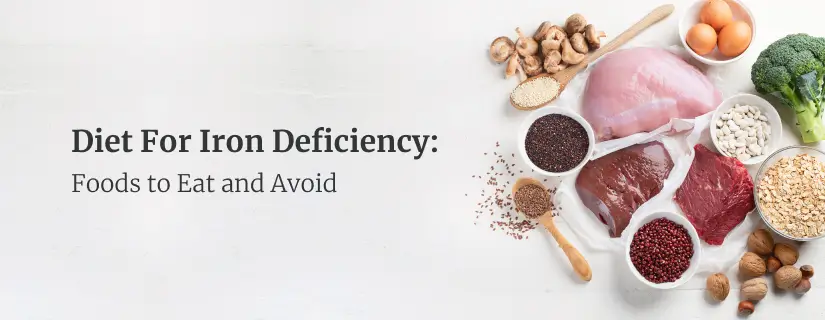
Your diet is a major player in iron status. If you’re not eating enough iron-rich foods—like red meat, poultry, fish, lentils, spinach, or fortified cereals—you’re at risk. There are two types of iron: heme (from animal sources, easily absorbed) and non-heme (from plants, less bioavailable). Vegetarians and vegans, listen up—non-heme iron needs help from vitamin C (think oranges or bell peppers) to be absorbed better. Skimping on iron-heavy foods or over-relying on low-iron diets (like processed junk or restrictive fads) can drain your reserves over time. Even if you’re eating iron, drinking tea, coffee, or calcium-rich foods at the same meal can block absorption, acting like a gatekeeper your body didn’t ask for.
2. Blood Loss
Losing blood means losing iron, since it’s carried in your red blood cells. For women, heavy menstrual periods are a common culprit, especially if they’re prolonged or frequent. Pregnancy also ramps up iron needs to support a growing baby and placenta, often outpacing intake. Men and women alike can lose iron from chronic issues like gastrointestinal bleeding (from ulcers, hemorrhoids, or even frequent NSAID use like ibuprofen). Donating blood often or recovering from injuries/surgeries can also chip away at your stores. It’s like a slow leak in your iron tank—you might not notice until it’s low.
3. Genetics
Your DNA can make iron deficiency more likely. Some folks inherit conditions like hereditary hemorrhagic telangiectasia (HHT), which causes frequent nosebleeds or internal bleeding, draining iron. Others may have genetic variations affecting iron absorption, like mutations in the HFE gene (linked to hemochromatosis, but in some cases, it messes with iron regulation). If your family has a history of anemia or absorption disorders (like celiac disease or Crohn’s), your genes might be stacking the deck against you. These conditions impair how your gut takes in iron, even if you’re eating all the right foods.
4. Gut Health
Your small intestine is the gatekeeper for iron absorption, but chronic gut issues can slam that gate shut. Conditions like celiac disease, Crohn’s, or ulcerative colitis damage the gut lining, making it hard to absorb iron, no matter how much you eat. Frequent diarrhea or inflammation can also speed up food transit, giving your body less time to grab the iron. Even sneaky culprits like parasitic infections (common in certain regions) or long-term use of acid-reducing meds (like PPIs for heartburn) can mess with absorption by altering stomach acid, which iron needs to break down properly.
5. Environmental and Lifestyle Factors
Where you live and how you live matter, too. In resource-limited settings, access to iron-rich foods like meat or fortified grains might be scarce, leaning diets toward low-iron staples like rice or corn. Intense physical activity—like marathon running or heavy weightlifting—can break down red blood cells faster or cause minor gut bleeding, sapping iron. Chronic stress or poor sleep might indirectly worsen absorption by messing with your gut health or appetite. Even environmental toxins (like lead exposure) can interfere with how your body uses iron, especially in kids or industrial areas.
6. Special Situations: Life Stages and Health Conditions
Certain life stages scream for more iron. Teens in growth spurts, pregnant or breastfeeding women, and older adults with declining absorption all need extra. Chronic diseases like kidney failure or cancer can disrupt iron metabolism, trapping it in storage instead of letting your body use it. Even frequent infections or inflammation (like in rheumatoid arthritis) can lock iron away, creating a functional deficiency. It’s like your body’s hoarding the goods when you need them most.
Iron deficiency is a team effort of these factors, and everyone’s mix is unique. Pinpointing your triggers—whether it’s a veggie-heavy diet, a genetic quirk, or an environmental curveball—helps you fight back smarter.
Also Read: Foods that are rich in iron