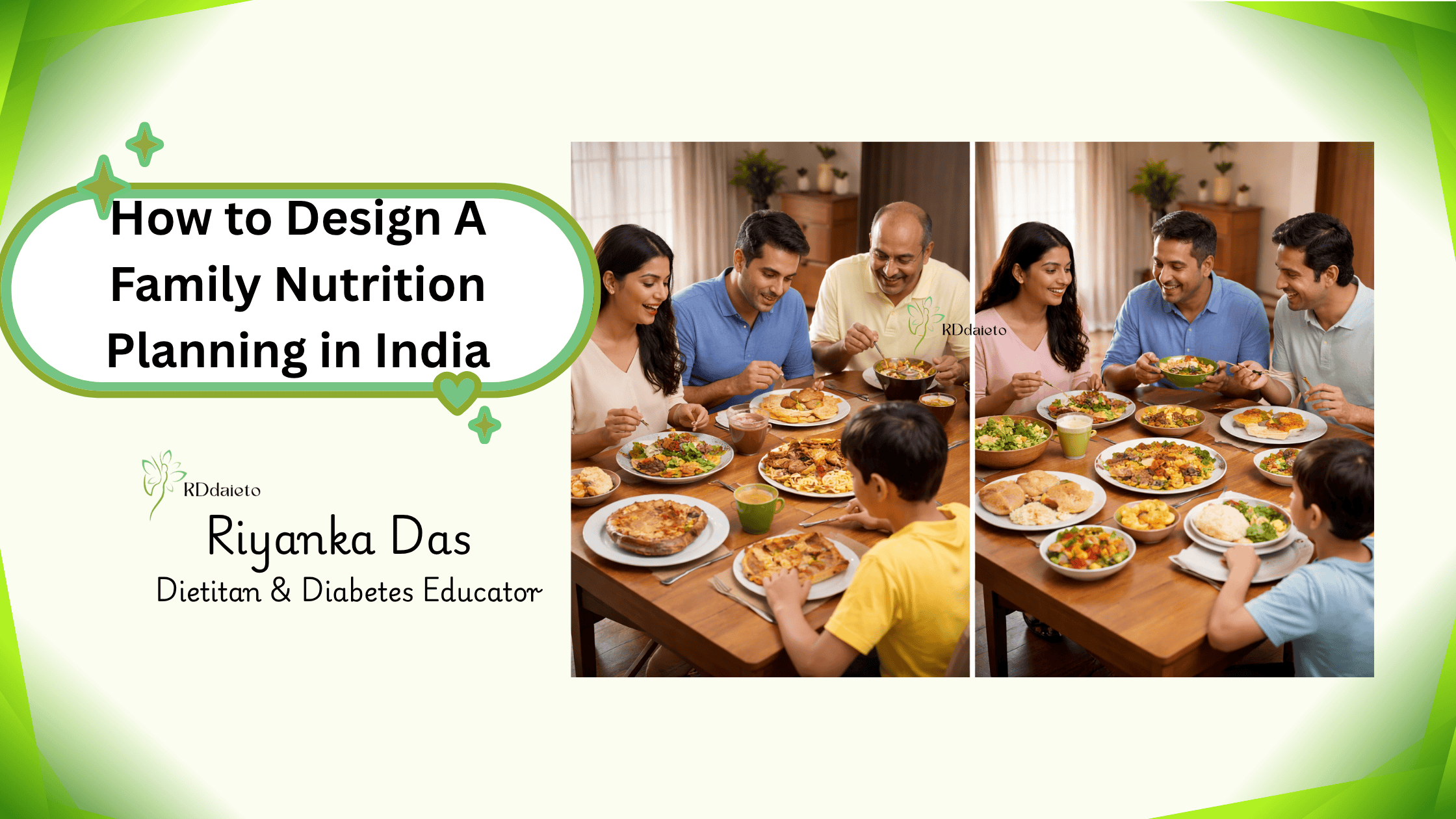
How to Design A Family Nutrition Planning in India
Every evening at 8 PM, the same scene unfolds in many Indian homes.
The mother prepares multiple dishes — low-oil sabzi for herself, extra rotis for her husband, something “healthy” for her child, and sometimes a completely separate meal for someone managing a health condition.
By the time everyone sits at the dining table, the food may be different, but the feeling is the same — exhaustion, confusion, and a silent question:
“Is this really sustainable?”
Despite all the effort, results often don’t follow. Weight doesn’t change, energy levels stay low, and healthy eating becomes a short-lived attempt rather than a lifestyle.
But what if the problem isn’t the food, but the way we approach it?
What if one kitchen could actually support multiple health goals — without stress, without separate cooking, and without compromise?
Why Multiple Diets Fail in Most Families?
Trying to follow different diets for each family member may seem logical, but in reality, it rarely works long term.
1. Time and Effort Constraints
Preparing separate meals is not practical, especially for working individuals or homemakers managing multiple responsibilities.
2. Lack of Consistency
Even if followed for a few days, separate diets are difficult to sustain, leading to a return to old habits.
3. Emotional Disconnect
When family members eat different meals, it reduces motivation and creates a sense of isolation.
4. Confusion from Overload of Information
With so much conflicting advice online, families often struggle to decide what is truly healthy.
The result is simple. No sustainable progress.
Understanding the Science of a Combined Family Diet
Regardless of individual goals — whether it is weight loss, hormone balance, or general wellness — the human body thrives on a few key principles:
- Balanced macronutrients
- Stable blood sugar levels
- Adequate protein and fiber intake
- Consistent meal timing
These fundamentals remain the same for all family members.
What actually differs is:
- Portion sizes
- Meal timing
- Specific nutritional adjustments
The Smart Solution: One Kitchen, Smart Planning
Instead of creating multiple diet plans, the goal should be to build a structured family nutrition system.
Step 1: Follow the Smart Plate Method
Every main meal should include:
- 25% Protein: (dal, paneer, eggs, chicken, fish)
- 25% Smart Carbohydrates: (roti, rice, millets)
- 50% Fiber: (vegetables, salads)
This balanced plate works as a foundation for everyone.
Step 2: Customize Portions, Not Meals
The key is not changing the food, but adjusting the quantity.
- For weight loss: smaller carb portion, more vegetables
- For maintenance: balanced portions
- For children: slightly higher portions with added protein and healthy fats
Same food, different portions — simple and effective.
Step 3: Adjust Meal Timing Based on Lifestyle
Meal timing can significantly impact results:
- Early dinner for weight management
- Structured meal timing for working adults
- Frequent smaller meals for children
Also Read: Calculate Your Ideal BMI With BMI Formula & BMI Chart (South Asian BMI)
Step 4: Add Condition-Based Adjustments
Each health condition can be managed with small tweaks:
- PCOS: prioritize low glycemic index carbs and high-protein breakfasts
- Diabetes: control carbohydrate portions and avoid long gaps between meals
- Belly fat or metabolic issues: focus on fiber-rich dinners and reduced late-night eating
These are adjustments, not entirely different diets.
Sample One-Day Family Meal Plan
Here’s how a practical day can look:
🌅 Morning
Warm water with soaked nuts
🍳 Breakfast
Paneer chilla with chutney / eggs with toast / oats with seeds
🍎 Mid-Morning
Fruit with a few almonds
🍛 Lunch
Roti or rice + dal or chicken + vegetable + salad
☕ Evening Snack
Roasted chana or makhana + green tea or buttermilk
🍽️ Dinner
Light vegetable preparation with paneer, egg, or chicken
Portion sizes can be adjusted for each family member.
Common Mistakes to Avoid
Even with a structured system, certain mistakes can slow down progress:
❌ Completely eliminating carbohydrates
❌ Skipping meals in the name of dieting
❌ Following extreme or unsustainable diets
❌ Ignoring protein intake
Remember, Sustainability is more important than perfection.
Real-Life Impact of a Structured Family System
When families shift from random dieting to a structured approach, they experience:
- Improved energy levels
- Reduced cravings
- Better digestion
- Gradual and sustainable weight balance
Most importantly, the entire household develops healthier habits together.
Bonus: Simple 3-Day Family Meal Rotation
Day 1
- Breakfast: Vegetable poha + peanuts
- Lunch: Roti + dal + bhindi sabzi
- Dinner: Paneer bhurji + salad
Day 2
- Breakfast: Oats with nuts and seeds
- Lunch: Rice + rajma + salad
- Dinner: Egg curry + sautéed vegetables
Day 3
- Breakfast: Besan chilla + chutney
- Lunch: Roti + chicken curry + sabzi
- Dinner: Light vegetable soup + paneer
Rotate meals to avoid boredom and improve adherence.
FAQs
1. Can one diet work for the entire family?
Yes, a structured diet with balanced nutrition can work for everyone, with slight adjustments in portion and timing.
2. How can I manage PCOS and weight loss in the same kitchen?
Focus on low GI foods, adequate protein, and consistent meal timing while adjusting portions accordingly.
3. Is it necessary to cook separate meals for different health goals?
No, with proper planning, the same meals can be adapted for different needs.
4. What is the biggest mistake families make in diet planning?
Lack of consistency and overcomplicating meals instead of following a simple system.
Conclusion
- Creating separate diets for each family member is not only exhausting but also unsustainable.
- The smarter approach is to build a flexible, structured nutrition system that fits your daily life.
- One kitchen is enough — if you plan it right.
Want a Customized Family Nutrition Plan?
If you want a simple, personalized system for your entire family — without cooking separate meals:
Comment “FAMILY” or connect with us to get started with your customized plan. Let’s connect with RD Daieto to start a family consultation.