What Are The Electrolytes – Know 4 Symptoms of Electrolyte Imbalance
Electrolytes play a crucial role in maintaining homeostasis in our body. From hydration to nerve function, they influence several physiological processes. Many people consume electrolyte-rich drinks daily, believing they boost energy and improve performance. But is daily electrolyte consumption beneficial, or does it have hidden drawbacks? This blog explores the importance of electrolytes, their role in the body, symptoms of imbalances, and whether regular consumption is advisable.
What Are Electrolytes?
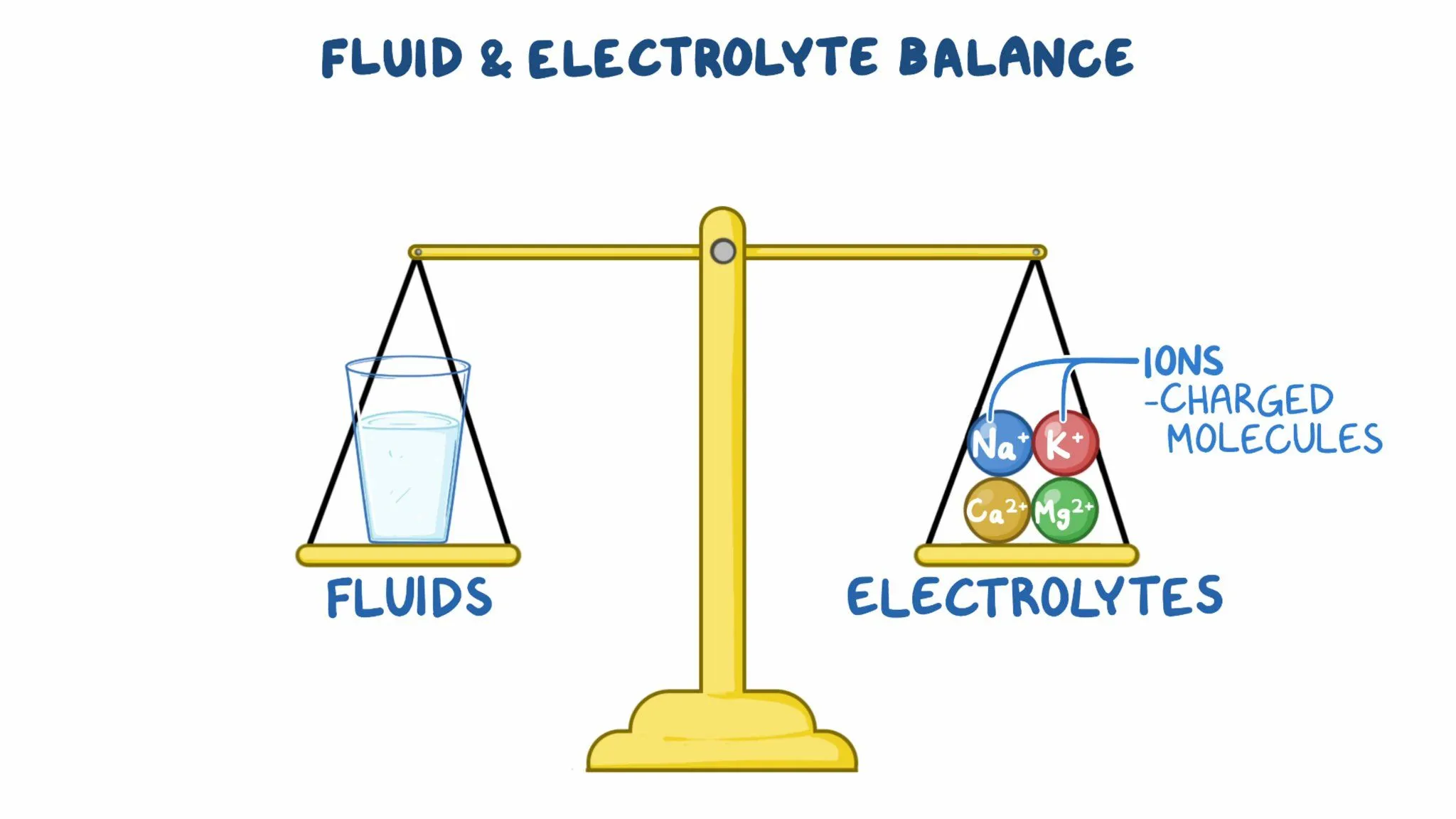
Electrolytes are minerals that carry an electric charge when dissolved in bodily fluids like blood, sweat, and urine. These charged particles help regulate nerve signaling, muscle contractions, and fluid balance. The most critical electrolytes in the human body include:
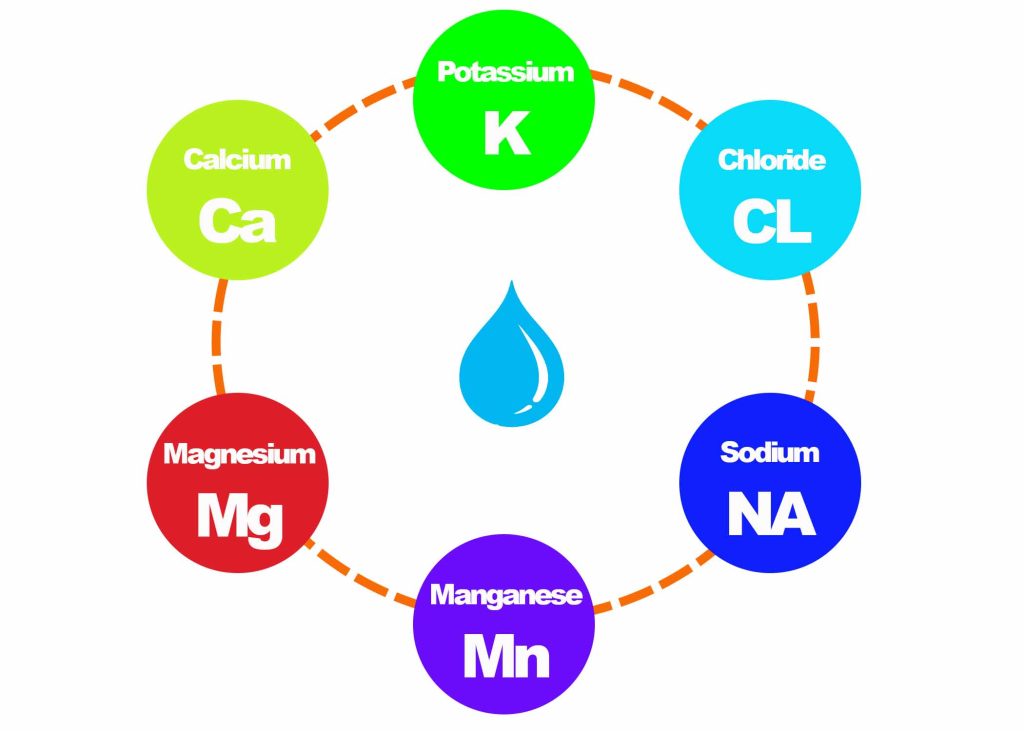
- Sodium (Na⁺): Regulates fluid balance and blood pressure.
- Potassium (K⁺): Essential for heart function and muscle contractions.
- Calcium (Ca²⁺): Supports bone health, nerve signaling, and muscle function.
- Magnesium (Mg²⁺): Involved in energy production and enzyme activity.
- Chloride (Cl⁻): Maintains acid-base balance and hydration.
- Phosphate (HPO₄²⁻): Supports energy production and cell function.
- Bicarbonate (HCO₃⁻): Helps regulate pH balance in the body.
Electrolytes come from the food and fluids we consume. Their balance is critical to various physiological functions, and even a minor disruption can lead to health complications.
How Do Electrolytes Work in Our Body?
Electrolytes function primarily by maintaining osmotic balance and electrical conductivity in cells. Here’s how they work:
1. Fluid Balance & Hydration
Sodium and potassium help regulate the movement of water between cells and blood vessels. Sodium attracts water, keeping blood pressure stable, while potassium counterbalances this effect inside cells.
2. Nerve Function & Muscle Contraction
Neurons and muscle cells rely on electrical impulses. For example, when a nerve signal is transmitted, sodium and potassium ions move across the nerve cell membrane, generating an action potential. This process is fundamental for muscle contractions, including the beating of the heart.
3. Acid-Base Balance
The body maintains a pH level of around 7.35–7.45 for optimal function. Electrolytes like bicarbonate and chloride help neutralize excess acids or bases, preventing conditions like acidosis or alkalosis.
4. Cellular Metabolism & Energy Production
Magnesium and phosphate are essential for ATP (adenosine triphosphate) production, which fuels cellular activities. Without adequate magnesium, energy metabolism slows down, leading to fatigue and muscle weakness.
An imbalance in any of these electrolytes can lead to dehydration, muscle cramps, irregular heartbeat, or even severe complications like seizures and organ failure.
How Do We Get Electrolytes?
Electrolytes come from a variety of foods and beverages. Here’s how you can maintain a healthy balance:
1. Natural Food Sources
- Sodium & Chloride: Found in table salt, seaweed, and processed foods.
- Potassium: Present in bananas, oranges, spinach, potatoes, and yogurt.
- Calcium: Found in dairy products, leafy greens, almonds, and tofu.
- Magnesium: Rich sources include nuts, seeds, dark chocolate, and whole grains.
- Phosphate: Found in meat, fish, dairy, and nuts.
2. Beverages & Supplements
- Water: Natural hydration supports electrolyte function.
- Coconut Water: Contains potassium, sodium, and magnesium.
- Electrolyte Drinks: Sports drinks or rehydration solutions can replenish lost minerals but may contain added sugars and artificial ingredients.
- Electrolyte Supplements: Available in tablet or powder form for those with deficiencies.
A balanced diet typically provides sufficient electrolytes. However, athletes, individuals with medical conditions, or those in extreme heat may require additional intake.
Symptoms of Electrolyte Imbalance
Electrolyte imbalances, particularly deficiencies, can cause significant health issues. Symptoms vary depending on which electrolyte is depleted:
1. Sodium Deficiency (Hyponatremia)
- Fatigue
- Confusion
- Nausea
- Headaches
- Severe cases: Seizures, coma
2. Potassium Deficiency (Hypokalemia)
- Muscle weakness
- Irregular heartbeat
- Cramping
- Digestive issues
3. Calcium Deficiency (Hypocalcemia)
- Muscle spasms
- Numbness in hands and feet
- Brittle bones (long-term)
4. Magnesium Deficiency (Hypomagnesemia)
- Fatigue
- Muscle twitches
- Mood disturbances
- Arrhythmia
Recognizing these signs early and addressing the deficiency through diet or supplements can prevent severe complications.
Is It Good to Drink Electrolytes Every Day?
Drinking electrolyte-enhanced beverages daily is not necessary for most people unless they have an increased need due to medical conditions, high-intensity exercise, or excessive sweating. However, there are potential benefits and risks:
Pros of Daily Electrolyte Consumption
- Helps maintain hydration in hot climates or after intense exercise.
- Prevents fatigue and muscle cramps in individuals prone to deficiencies.
- Supports athletic performance and endurance.
Cons of Daily Electrolyte Consumption
- Excess sodium may lead to high blood pressure.
- High sugar content in sports drinks can contribute to weight gain and metabolic disorders.
- Electrolyte imbalance (hypernatremia, hyperkalemia) can occur if intake is too high.
For those with normal activity levels and diets, water and a balanced diet provide sufficient electrolytes. Electrolyte drinks should be consumed based on individual needs rather than as a daily habit.
How Exercise Affects Electrolyte Balance
During exercise, the body loses electrolytes through sweat. The extent of loss depends on factors like intensity, duration, temperature, and humidity.
1. Sodium Loss & Hydration
Sodium is the primary electrolyte lost through sweat. Excessive sodium loss without replacement can cause dehydration and cramps.
2. Potassium & Muscle Function
Potassium helps prevent muscle fatigue and supports nerve signals. Intense exercise can lead to potassium depletion, affecting endurance and recovery.
3. Calcium & Magnesium in Performance
Low calcium can lead to muscle spasms, while magnesium deficiency affects energy production and recovery. Both are crucial for sustained performance.
4. Recovery Strategy
Post-exercise, rehydration with electrolyte-rich fluids and food ensures muscle recovery and prevents cramps. For endurance athletes, an electrolyte supplement may be beneficial.
Who Should Not Drink Electrolytes?
While electrolyte drinks are beneficial in some cases, certain individuals should avoid or limit them:
1. People with High Blood Pressure
Excess sodium from electrolyte drinks can exacerbate hypertension.
2. Individuals with Kidney Disease
The kidneys regulate electrolyte balance. Those with kidney issues may struggle to excrete excess potassium or sodium, leading to dangerous imbalances.
3. People with Heart Conditions
Imbalances in potassium or sodium can lead to irregular heart rhythms, posing risks for those with cardiac disorders.
4. Those Following a Low-Sodium Diet
If someone already consumes adequate sodium, additional electrolyte drinks can lead to excessive intake.
5. Diabetics & Those Watching Sugar Intake
Many electrolyte beverages contain high sugar levels, which can affect blood sugar control. It is important to consult a dietitian especially when you have diabetes.
Conclusion
For most people, daily electrolyte consumption through specialized drinks is unnecessary. A balanced diet provides ample electrolytes unless an individual has specific needs due to intense exercise, dehydration risk, or medical conditions. However, for athletes, individuals in hot climates, or those with electrolyte deficiencies, controlled electrolyte intake can be beneficial.
Ultimately, the key is balance—monitoring intake, understanding bodily needs, and making informed decisions based on individual circumstances.
Need help to balance your electrolytes? Book a consultation with our best dietitian.